Axonius Adds MCP Context and Native Agent Workflows
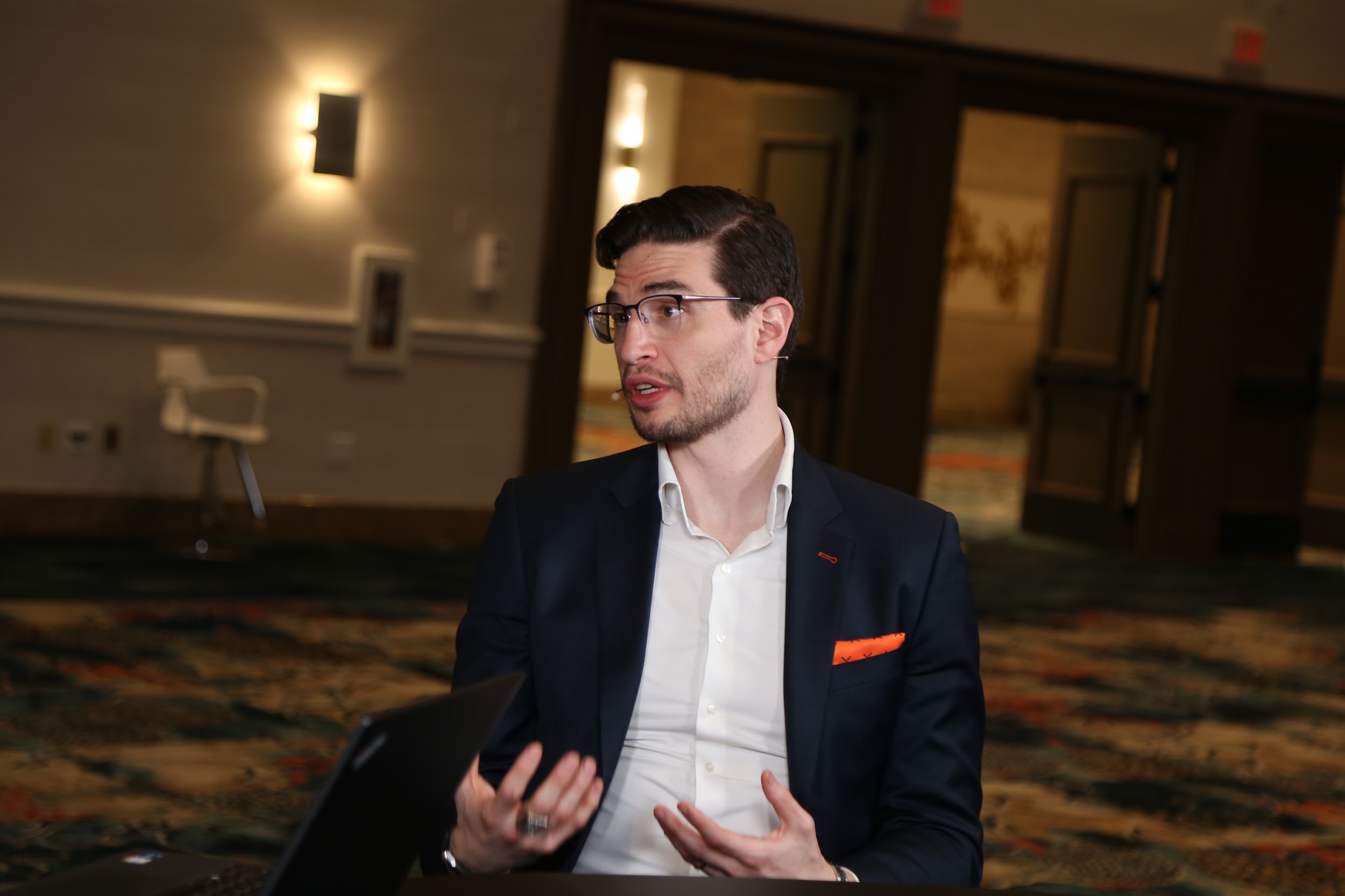
Axonius announced an early-access MCP server and a preview AI agent on July 22, giving outside AI tools and native workflows access to its asset model under existing role-based controls. At Black Hat USA on August 6, executive chairman Dean Sysman framed asset inventory and relationship data as the context layer for governing agents; the interview segment was sponsored by Axonius.
Axonius announced two additions to its Asset Cloud on July 22: an MCP Server available in early access and a native Axonius AI Agent in preview. The company says the MCP server lets compatible AI tools query its asset model, including software, exposures, relationships, ownership, and coverage data.
The native agent is described as a context-aware security assistant operating within existing role-based access controls. Axonius says users can ask about endpoint-coverage gaps or missing configuration-management records and receive answers with recommended remediation. Those are vendor-described capabilities; the retrieved sources do not provide independent accuracy, latency, or safety measurements.
Why asset context matters for agents
At Black Hat USA on August 6, Axonius co-founder and executive chairman Dean Sysman argued that AI agents extend the asset-discovery problem beyond devices and applications. Agents carry identities, use prompts and models, and can act across systems, making relationships and permissions part of the inventory that security teams need to understand.
Sysman described a progression from discovery to policy enforcement and prioritized remediation. In that framing, an agent should not receive only a list of vulnerabilities; it also needs context about business criticality, ownership, and whether an action is appropriate for the target system. A payment server and a developer test machine may require different remediation policies even when they expose a similar technical issue.
SiliconANGLE disclosed that Axonius sponsored the interview segment while stating that sponsors did not control its editorial content. That relationship matters when weighing performance claims and should keep the interview in a supporting role behind the company's own product announcement.
What teams should validate
For security and platform teams, the product raises testable implementation questions: which assets and relationships are exposed through MCP, how permissions are mapped from a human user to an agent, whether recommended actions require approval, and how every tool call is logged. Teams should also test stale or conflicting asset records because automated decisions can amplify inventory errors.
The launch provides an integration path for grounding security agents in an enterprise asset graph. Evidence of production benefit will require customer results showing that the system improves coverage or remediation without allowing an agent to cross role, environment, or business-criticality boundaries.
Key Points
- 1The Axonius MCP Server exposes asset, software, exposure, relationship, ownership, and coverage data to compatible AI tools.
- 2The preview Axonius AI Agent is positioned as a role-aware security assistant that can identify coverage gaps and recommend remediation.
- 3The evidence establishes product availability and design claims, but not independent measurements of accuracy, remediation safety, or production impact.
Scoring Rationale
The release gives security teams a concrete route for grounding agent workflows in enterprise asset data and existing access controls. It is relevant to agent governance and security operations, but the available evidence is a vendor announcement and a sponsored interview without independent product benchmarks or deployment results.
Sources
Primary source and supporting public references used for this report.
Practice interview problems based on real data
1,625 SQL & Python problems across 15 industry datasets — the exact type of data you work with.
Try 250 free problems