NSA Seeks Access to Commercial AI Models
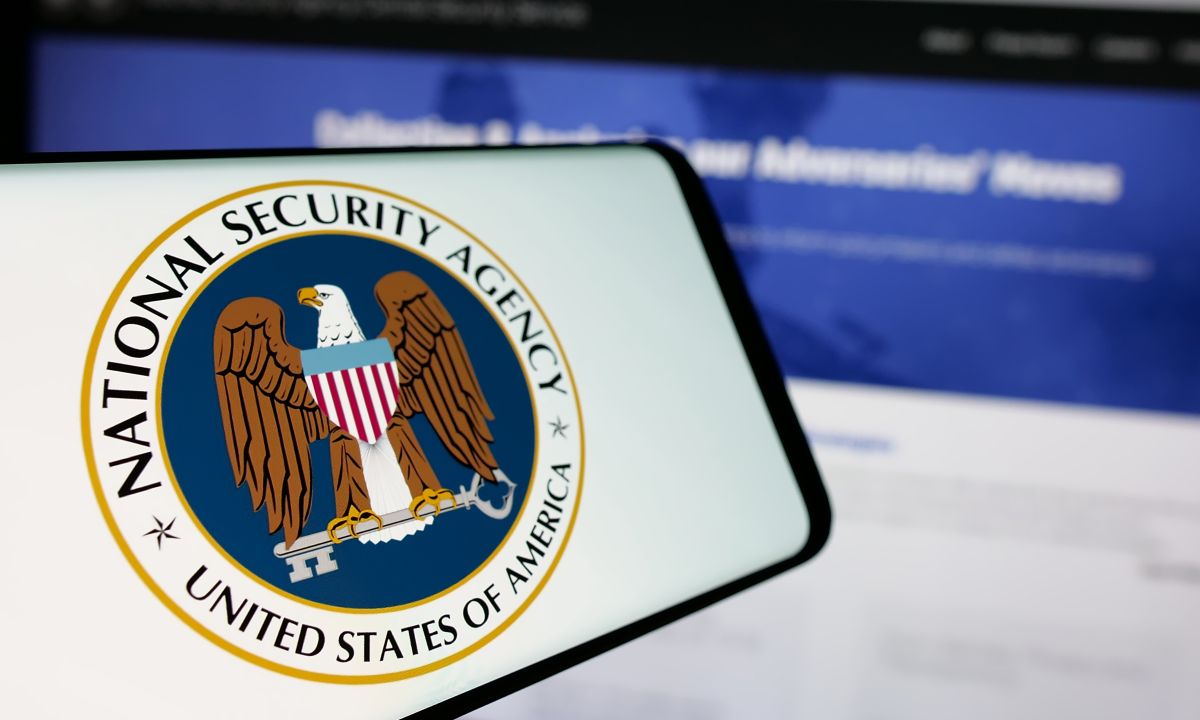
The National Security Agency is seeking access to "all" commercial AI models while holding discussions with leading developers, Deputy Director Tim Kosiba said Aug. 27. Nextgov reports that the agency is helping implement White House directives that establish voluntary pre-release testing of advanced models' cyber capabilities and encourage intelligence and defense agencies to partner with AI companies.
The National Security Agency is seeking access to "all" commercial AI models and is holding discussions with leading developers, NSA Deputy Director Tim Kosiba said at an Intelligence and National Security event in Bethesda, Maryland, on Aug. 27.
"We want access to all the models, and we're going to take advantage of that," Kosiba said, according to Nextgov. He also said newer AI systems' improving capabilities are driving a more aggressive effort to obtain and deploy the technology.
White House testing framework
Nextgov reports that NSA is helping implement White House directives concerning advanced AI systems and national security. According to PYMNTS' account of the Nextgov reporting, a June executive order assigns NSA responsibility for determining which systems qualify as "covered frontier models" under a voluntary arrangement. That arrangement can provide the federal government with access to qualifying models for 30 days before release to scrutinize potential hacking capabilities.
PYMNTS also reports that a separate June White House directive calls on intelligence and defense agencies to form partnerships with the AI industry, make the most advanced models available to agency personnel, and avoid dependence on a single provider.
Kosiba did not identify the developers involved, the models NSA currently uses, or whether any developer has given the agency access to an unreleased system, Nextgov reports.
What "access" could mean
Nextgov notes that access could take multiple forms, including use through a provider-controlled service, deployment in a government environment, or security testing involving classified networks. The reporting does not establish which form, if any, applies to a particular developer or model.
For frontier-model developers, voluntary pre-release cyber evaluations can introduce an additional security-review path alongside internal red teaming and external assessments. Comparable government testing arrangements commonly raise technical questions about evaluation scope, secure model access, telemetry handling, and the separation of testing environments from production systems. Those implementation details have not been disclosed in the reported NSA discussions.
The announcement is notable because it publicly links the NSA's model-access discussions with a federal framework focused on advanced hacking capabilities. Developers and ML platform teams working with government customers will be watching for formal criteria defining covered models, assessment procedures, and safeguards for model weights, APIs, and sensitive evaluation results.
Key Points
- 1NSA Deputy Director Tim Kosiba publicly stated the agency wants access to all commercial AI models amid developer discussions.
- 2Reported White House directives create a voluntary pre-release review path for frontier models with potentially advanced hacking capabilities.
- 3Comparable government model evaluations often require clear controls for access methods, sensitive telemetry, and security-testing environments.
Scoring Rationale
The reported NSA role in voluntary pre-release frontier-model testing could affect security evaluation and access processes for leading AI developers. Important implementation details, including participating companies, covered-model criteria, and access mechanisms, remain undisclosed.
Sources
Public references used for this report.
Practice interview problems based on real data
1,625 SQL & Python problems across 15 industry datasets — the exact type of data you work with.
Try 250 free problems