Salamanca schools plan a classroom pilot with humanoid assistant Sally

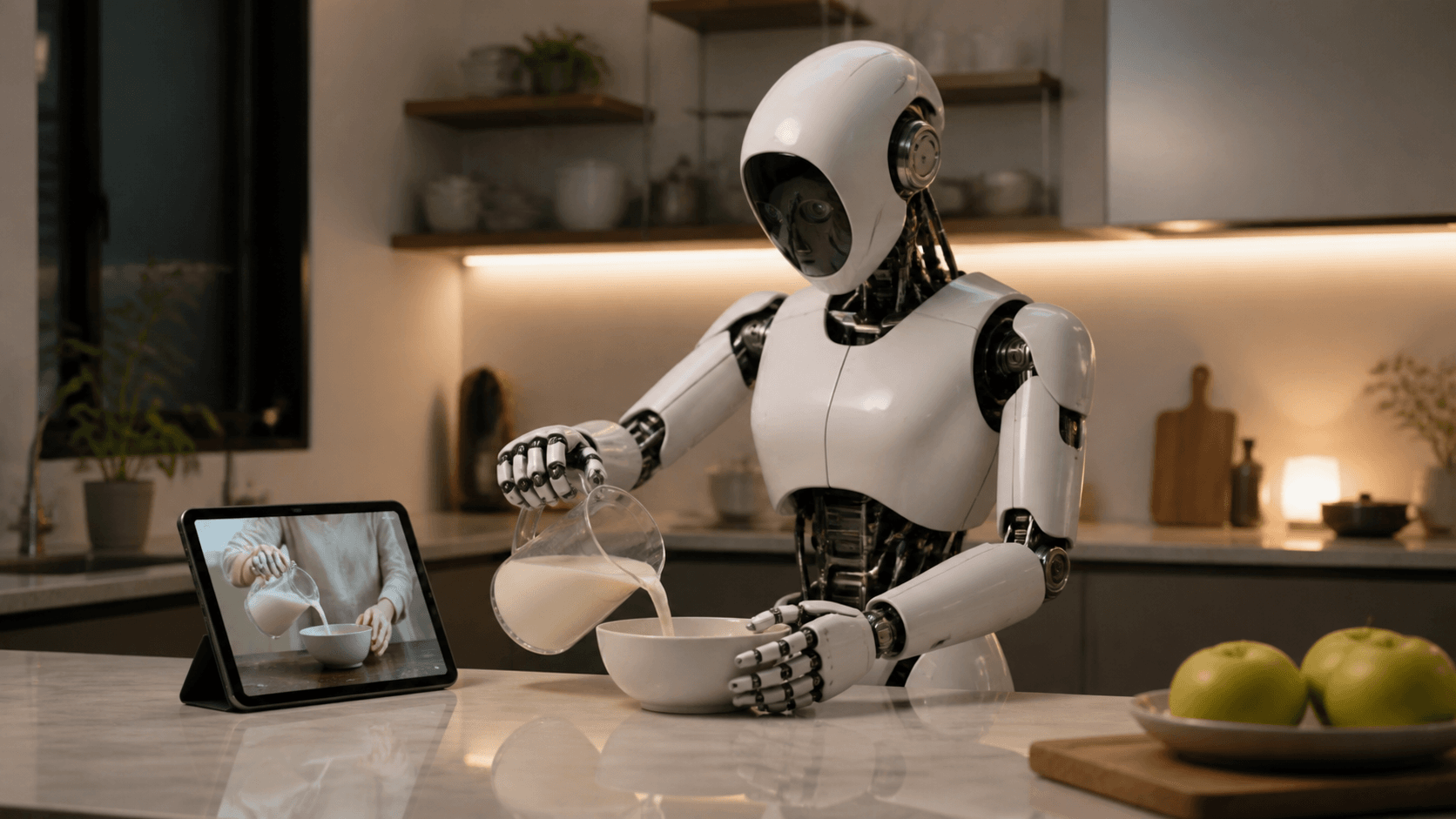
Salamanca City Central School District in western New York plans to pilot a stationary humanoid robot named Sally with a small STEAM cohort during the 2026-27 school year. The district says teachers will control the locally approved curriculum and that the device will neither browse the internet nor record or transmit student audio, video or personally identifiable information. Sally is being positioned as a teacher-controlled learning tool, not a replacement for staff. Those safeguards are promises for the pilot; no independent evidence yet shows how the system affects learning, workload, safety or student privacy in practice.
What Salamanca is planning
Salamanca City Central School District says it will introduce a stationary humanoid robot named Sally in a limited classroom pilot during the 2026-27 school year. The western New York district plans to begin with a small cohort in a Woz Ed STEAM program rather than deploy the system across every classroom.
The device comes from Realbotix, which describes it as an AI-powered teaching assistant. The district's own announcement is more specific about the operational boundaries: classroom teachers will remain in control, the curriculum will be approved locally, and Sally is intended to support lessons rather than replace educators. Claims that this is the first such US deployment come from the vendor and should be treated as positioning, not an independently established national record.
Safeguards the district has described
According to Salamanca's announcement, the pilot is designed with several restrictions:
- •Sally will remain stationary rather than move freely around the classroom.
- •It will not browse or search the open internet during lessons.
- •The district says it will not collect personally identifiable student information.
- •The device is not supposed to record student audio or video.
- •The district says classroom data will not be transmitted to Realbotix.
- •Teachers will direct its use and retain responsibility for instruction.
These are meaningful design constraints, but they are not yet independently audited outcomes. Even without names or recordings, any student-code or personalization mechanism still needs clear rules for retention, access, deletion and correction. The district has not yet published evidence from classroom use showing how the system behaves when it misunderstands a student, produces an inaccurate answer or encounters a situation outside its approved material.
What the pilot can actually test
| Question | Evidence available today |
|---|---|
| Can the robot improve engagement or understanding? | No measured classroom result yet |
| Does it reduce teacher workload? | Not yet tested publicly |
| Are the stated privacy controls effective? | District commitments, not an independent audit |
| Will it replace teachers? | District and vendor say no; teachers remain in control |
| Is the system ready for broad deployment? | Pilot scope only |
Independent reporting from New York Focus and the Olean Times Herald confirms the local pilot and adds procurement and community context. It does not provide evidence that learning outcomes have improved, because the classroom trial has not begun.
LDS assessment
The responsible way to evaluate Sally is as a bounded education-technology pilot, not as proof that humanoid teachers have arrived. A useful evaluation should compare learning and workload outcomes against ordinary classroom tools, document failure and escalation paths, and let families understand what data is created and how it can be removed.
The district's restrictions reduce several obvious risks, especially uncontrolled web access and undisclosed recording. The next standard is evidence: transparent pilot metrics, incident reporting, teacher feedback and a clear decision process before any expansion. Without those results, the most defensible conclusion is simply that Salamanca is testing a novel interface under stated safeguards.
Key Points
- 1Salamanca schools plan a small 2026-27 STEAM pilot with a stationary Realbotix humanoid assistant named Sally.
- 2The district says the robot will not browse the internet, record audio or video, collect PII or transmit classroom data to Realbotix.
- 3No independent classroom results yet establish learning benefits, workload savings or the effectiveness of the promised privacy controls.
Scoring Rationale
The pilot is a concrete cross-domain application of AI and robotics with education and privacy implications. Its impact remains moderate because deployment is limited and no measured classroom outcomes or independent control audit exist yet.
Sources
Primary source and supporting public references used for this report.
Practice interview problems based on real data
1,625 SQL & Python problems across 15 industry datasets — the exact type of data you work with.
Try 250 free problems