Moonshot founder chose a China startup despite US opportunities, former adviser says
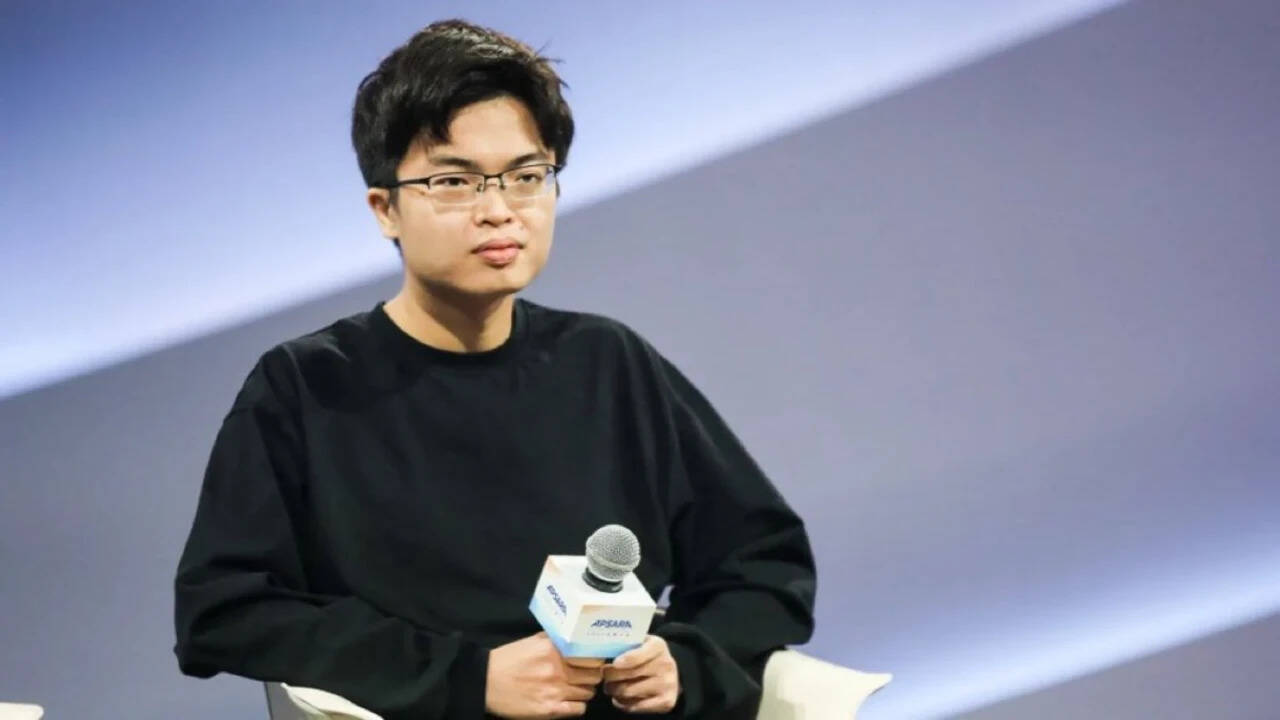
Carnegie Mellon professor Russ Salakhutdinov says his former doctoral student Zhilin Yang had opportunities to remain in the United States before returning to China and eventually founding Moonshot AI. Salakhutdinov said a senior Apple executive asked whether Yang would consider joining the company, but described Yang as determined to try building a startup. His account challenges online claims that a visa denial or H-1B lottery forced Yang to leave, while still acknowledging that US immigration can be intimidating and uncertain for international graduates. The statement is a first-hand recollection from Yang's adviser, not an immigration record or formal Apple offer letter.
What Yang's former adviser clarified
Carnegie Mellon University professor Russ Salakhutdinov has challenged social-media claims that immigration barriers forced his former doctoral student Zhilin Yang to leave the United States. Yang later co-founded Moonshot AI, the Beijing company behind the Kimi model family.
In a public post, Salakhutdinov said Yang had several opportunities to stay in the US. He recalled being included on an email thread in which a senior Apple executive asked whether Yang would consider joining Apple. When Salakhutdinov explained that Yang wanted to return to China, the executive mentioned the company's Beijing office. That account indicates recruiting interest, but it should not be overstated as proof of a signed or formal job offer.
Salakhutdinov said Yang was determined to return and build a startup, recalling that Yang believed he would regret not trying. The professor also disputed the specific narrative that an H-1B lottery or visa denial dictated the decision. At the same time, he acknowledged the broader problem: US immigration procedures can be intimidating and uncertain even for highly qualified international PhD graduates.
What is established—and what is not
| Supported by the available record | Not established by the available record |
|---|---|
| Salakhutdinov supervised Yang at Carnegie Mellon | Yang's complete immigration history or status |
| A senior Apple executive expressed recruiting interest | A formal written Apple employment offer |
| The adviser says Yang wanted to build a company in China | That immigration policy played no role in any private consideration |
| Yang later founded Moonshot AI | That one person's experience represents all international AI researchers |
The clarification came amid attention around Moonshot's Kimi K3 release. Moonshot's own technical material describes K3 as an open frontier model, while independent reporting has connected the launch with a wider debate about competition between Chinese and US AI labs. Those model claims are separate from the narrower question addressed by Salakhutdinov: why Yang chose to return.
LDS assessment
The useful lesson is not that talent policy has no effect. It is that individual career decisions should not be reduced to a convenient immigration anecdote without evidence. In this case, the strongest available first-hand account points to founder intent and recruiting options, while also recognizing genuine uncertainty in the US immigration system.
For AI organizations and policymakers, both factors matter. Competitive research ecosystems need compelling technical opportunities and a predictable path for international graduates. But reporting on a specific founder should distinguish documented choices from broader policy arguments. Salakhutdinov's statement corrects one viral narrative; it does not settle the wider debate about how immigration policy affects AI talent flows.
Key Points
- 1Russ Salakhutdinov says Zhilin Yang had opportunities to remain in the United States but wanted to return to China and build a startup.
- 2A senior Apple executive expressed recruiting interest, but the available evidence does not establish a signed or formal job offer.
- 3The account disputes a specific visa-forced-departure narrative while acknowledging wider uncertainty in US immigration for international graduates.
Scoring Rationale
The professor's first-hand clarification corrects a widely repeated account about the career decision of a prominent AI founder. It has useful AI-talent and policy context, but its impact is moderate because it is a biographical clarification rather than a product, research or regulatory change.
Sources
Primary source and supporting public references used for this report.
View 1 more source
Practice interview problems based on real data
1,625 SQL & Python problems across 15 industry datasets — the exact type of data you work with.
Try 250 free problems