RAM Price Data Put AI-Era Memory Costs Near Late-2000s Levels
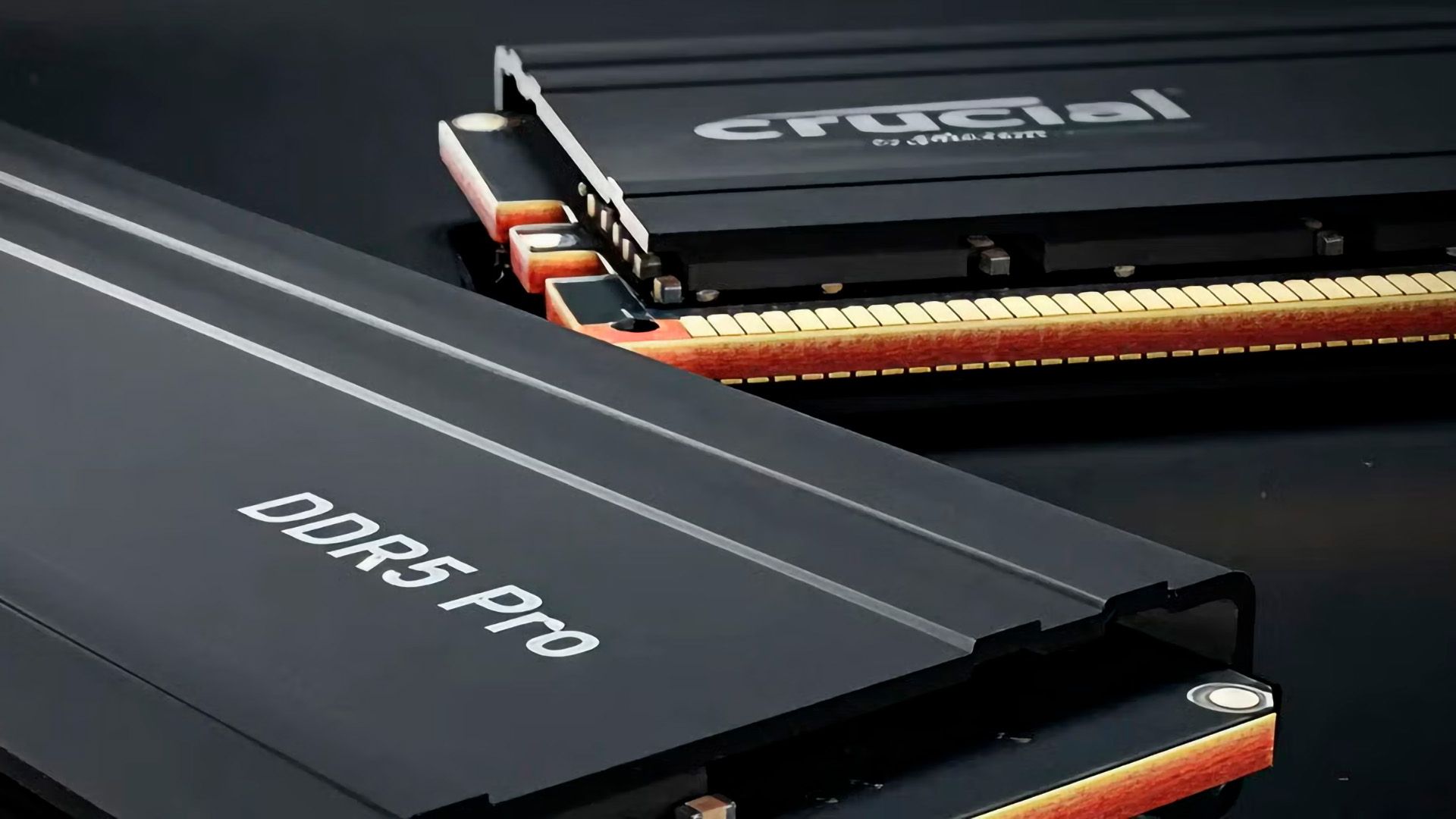
Software researcher Daniel Lemire said on August 5 that the jump in memory costs had erased roughly 20 years of price declines. A Stanford-maintained retail dataset supports the direction of that claim: its July snapshot put the cheapest listed DDR5 memory at about $11.41 per GB, a level comparable with nominal DDR2 prices from the late 2000s, though the comparison depends on product generation and inflation treatment.
Software researcher Daniel Lemire drew attention on August 5 to an unusual reversal in computer-memory economics: after decades of falling cost per unit, current RAM prices have moved back toward levels last seen nearly two decades ago. He described the change as roughly 20 years of progress undone and said he could not recall a similar reversal in technology hardware.
What the available price data show
Tom's Hardware checked Lemire's observation against the Stanford Digital Asset Management project's memory-price dataset. Stanford's July 2026 snapshot lists the cheapest tracked DDR5 retail offer at about $11.41 per GB. The publication found that nominal prices in that range were last seen for DDR2 around 2008; after an inflation adjustment, it placed the comparison closer to DDR3 prices in 2011.
Those dates are not interchangeable. Lemire's chart supports the broad claim that RAM cost per unit has returned to late-2000s territory, while the precise historical year changes with the memory generation, retail series, and whether inflation is applied. The Stanford page also cautions that its figures are the cheapest listed retail prices, not contract prices, averages, or confirmed sale prices.
Why AI demand matters
The reversal is tied to the industry's shift toward high-bandwidth memory and server DRAM for AI systems. Suppliers can expand output, but demand from accelerators and large AI clusters has been rising faster than capacity. That competition affects more than data-center buyers because manufacturing capacity and capital are being redirected toward higher-value AI memory products.
Lemire framed the possible adjustment in two ways: AI systems may need to become less memory-intensive, or manufacturers may need much faster gains in memory production. Neither outcome is assured, and the current retail series does not by itself predict how long elevated prices will last.
For practitioners, the useful signal is not a single historical comparison but the break from the usual assumption that memory becomes steadily cheaper. Capacity plans for model serving, local inference, and data-heavy pipelines should treat memory cost as a volatile constraint rather than a guaranteed source of future savings.
Key Points
- 1Daniel Lemire said on August 5 that current RAM costs had erased roughly 20 years of historical price declines.
- 2Stanford's July retail dataset put the cheapest tracked DDR5 offer at about $11.41 per GB, broadly comparable with late-2000s nominal memory prices.
- 3The exact historical comparison changes with memory generation, retail methodology, and inflation adjustment, so the evidence supports a range rather than one definitive year.
- 4AI-driven demand for high-bandwidth and server memory is pressuring supply and makes memory cost a material planning variable for AI infrastructure.
Scoring Rationale
The price reversal materially affects AI infrastructure economics and consumer hardware, but it is an analytical observation based on retail series rather than a new supplier transaction or formal market forecast.
Sources
Primary source and supporting public references used for this report.
Practice interview problems based on real data
1,625 SQL & Python problems across 15 industry datasets — the exact type of data you work with.
Try 250 free problems