GS1 India Expands Chennai Development Centre for AI Traceability
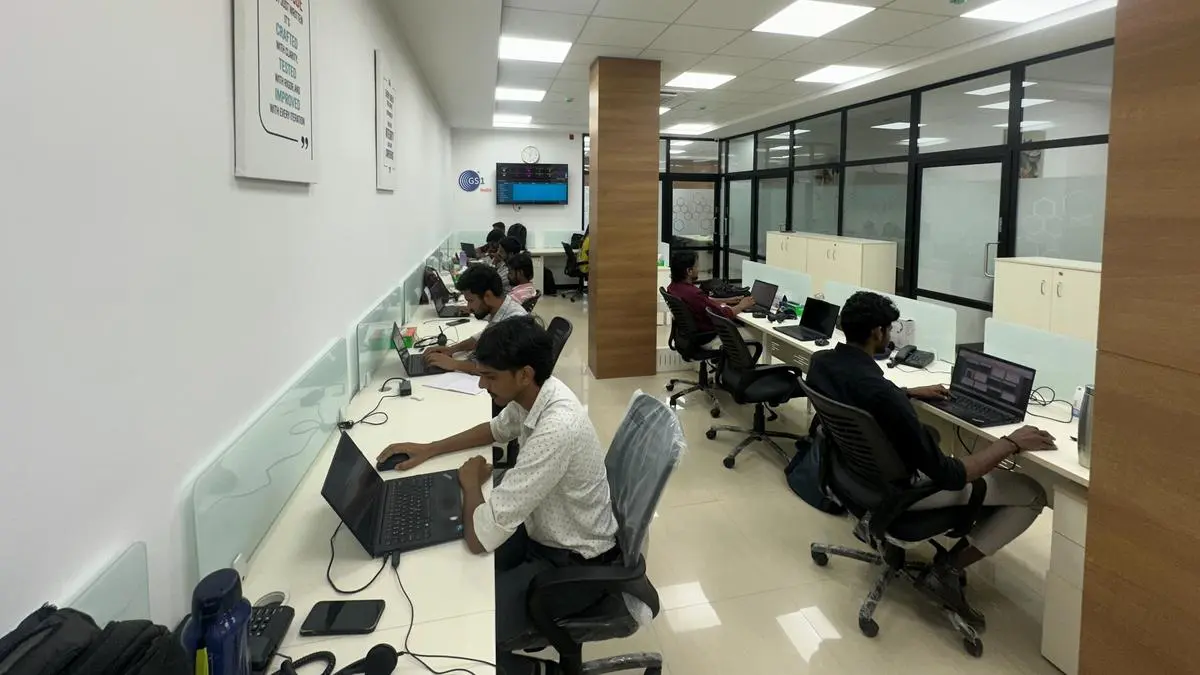
GS1 India has inaugurated an expanded Chennai Development Centre to consolidate engineering work and accelerate AI-driven supply chain and traceability solutions. The upgraded hub will scale deployment of flagship platforms including DataKart, the Smart Consumer App and ClickIt, and focus on 2D barcode migration, automated data verification, and compliance with global rules such as the Digital Product Passport, FSMA and EUDR. The centre aims to improve UI/UX, backend intelligence and interoperability to help small and medium enterprises adopt GS1 standards at scale and prepare for the global transition to 2D barcodes under GS1 Ambition 2027.
What happened
GS1 India inaugurated its expanded Chennai Development Center, upgrading a 2023 tech lab into a consolidated engineering hub focused on AI-powered supply chain and traceability. The facility will scale large deployments of flagship platforms including DataKart, the Smart Consumer App and ClickIt app, and accelerate work on 2D barcode migration and compliance with global rules such as the Digital Product Passport (DPP), Food Safety Modernization Act (FSMA) and EU Deforestation Regulation (EUDR). A central objective is automating data verification for the billions of product scans that drive commerce and regulatory reporting.
Technical details
The centre mixes application engineering, UX, backend intelligence and data-standard work to operationalize GS1 standards at scale. Key engineering priorities are:
- •Scale and harden flagship platforms including DataKart, Smart Consumer App and ClickIt app for enterprise and SME rollouts
- •Lead the migration from 1D to 2D barcodes and implement patterns for richer, linkable product data
- •Integrate AI for automated data verification, anomaly detection in product registries, and improved match/resolve for identifiers
The AI work is likely to include data quality pipelines, probabilistic entity resolution, image and barcode recognition models, and rule-based validation against GS1 schemas and regulatory taxonomies. Practitioners should expect investments in structured data stores, event-driven ingestion, and auditing features that preserve provenance for DPP-style requirements. The centre will also upgrade UI/UX and mobile experiences to improve scan-driven consumer trust and field verification workflows.
Context and significance
GS1 is the global steward of bar-coding and product identification standards adopted in over 150 countries. This expansion reflects two concurrent industry trends: the regulatory push for product-level traceability and the combinatorial use of standards plus AI to automate compliance and data integrity. For Indian exporters and domestic manufacturers, the centre removes a technical bottleneck by providing implementable reference platforms that align with international regimes such as FSMA and EUDR. For the broader ecosystem, GS1 India's engineering focus accelerates the real-world transition to 2D barcodes, which are foundational for Digital Product Passports and interoperable supply chain data exchange.
What to watch
Monitor the release cadence for platform SDKs and APIs, announced timelines for GS1 Ambition 2027 milestones, and partnerships with cloud providers or local integrators. The critical operational questions are how GS1 India will expose developer APIs, enable SME onboarding, and support verifiable data provenance at scale.
Practical implications for practitioners
Expect more production-ready reference implementations and compliance-focused components to integrate into supply chain stacks. Teams working on traceability should evaluate GS1 India's updated platforms for:
- •Schema alignment and identifier resolution patterns
- •Data ingestion and validation pipelines that can be augmented with ML
- •Mobile SDKs and UI patterns for scan-driven consumer and inspection workflows
The expansion is incremental but practical: it reduces friction for companies that must meet emerging global traceability mandates while providing engineers with standardized building blocks to accelerate integrations.
Key Points
- 1GS1 India upgraded its Chennai hub into an engineering centre to scale AI-enabled traceability and 2D barcode migration, reducing implementation friction for firms.
- 2Automated data verification and backend intelligence aim to improve data integrity for the billions of global scans, enabling compliance with DPP, FSMA and EUDR.
- 3The centre will produce hardened platforms and may expose developer-facing tools or APIs, making it easier for SMEs and integrators to adopt GS1 standards at scale.
Scoring Rationale
This expansion materially improves engineering capacity for GS1 standards and AI-based traceability, which matters for supply-chain and compliance practitioners. It is regionally important and practical rather than paradigm-shifting, so its impact is notable but not industry-changing.
Sources
Public references used for this report.
Practice interview problems based on real data
1,625 SQL & Python problems across 15 industry datasets — the exact type of data you work with.
Try 250 free problems