California Bill Would Restrict AI Therapy Advertising
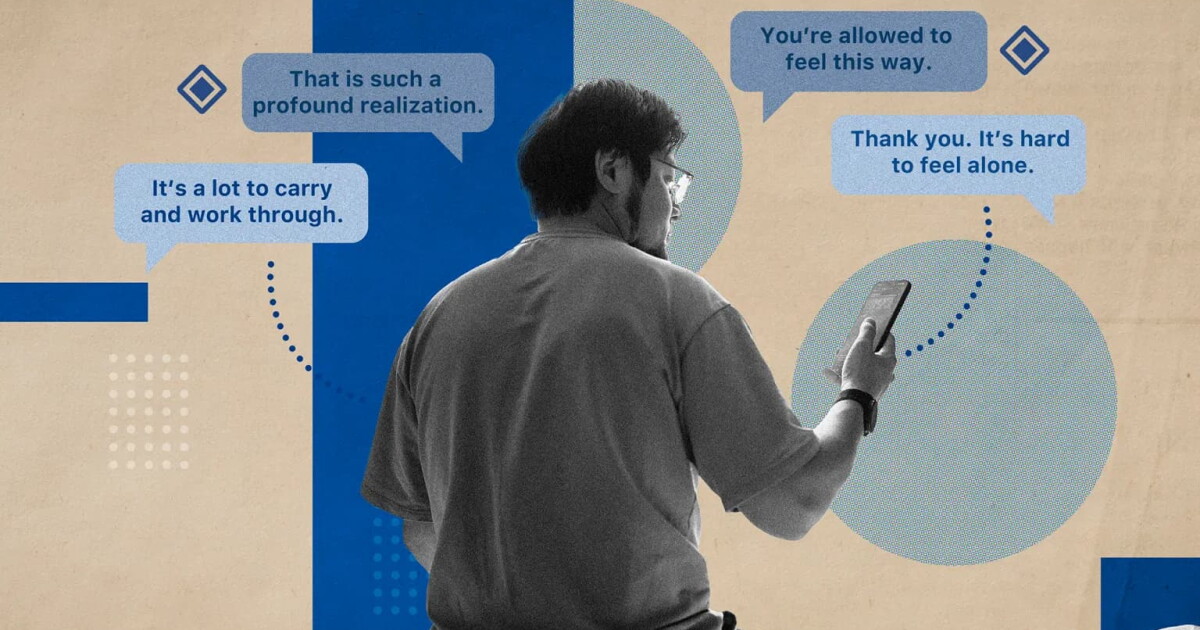
California's SB 903 was amended in the Assembly on July 2 after passing the state Senate 39-0 on May 19. The pending bill would bar advertising companion-chatbot services as psychotherapy, require licensed-professional review before AI makes therapeutic decisions, and impose consent and data rules for AI used to record, transcribe, or triage psychotherapy services.
California's SB 903 remains pending in the state Assembly after a 39-0 Senate vote on May 19 and Assembly amendments on June 8 and July 2, 2026. The latest official bill text would regulate how artificial intelligence is used in psychotherapy services; it has not become law.
What the amended bill would do
The July 2 text would allow AI systems to assist with administrative or supplementary support in psychotherapy, while placing tighter limits on functions that directly affect patients or clients. It would require disclosure and affirmative consent before AI is used to record or transcribe psychotherapeutic communications or to triage or screen someone for psychotherapy services.
The measure would also prohibit an individual, company or other entity from advertising or otherwise presenting companion-chatbot services as psychotherapy. AI could not make therapeutic decisions or detect emotions or mental states without review and approval by a licensed professional.
The amended text adds data-governance requirements as well. AI use involving psychotherapy records would have to comply with California's medical-information confidentiality rules, and companies could not share, sell, store or train models on psychotherapy data in ways that conflict with applicable law.
Legislative status
Senator Steve Padilla introduced SB 903 on January 21. His office reported that the Senate passed it unanimously on May 19 and sent it to the Assembly. California's official legislative record shows that the Assembly amended the bill on June 8 and again on July 2.
KPBS reported on August 6 that lawmakers are trying to define a boundary between clinician-support tools and chatbots that deliver therapy-like guidance directly to users. Padilla described the technology as powerful and consequential while arguing that licensed professionals should retain responsibility for therapeutic decisions.
Why the boundary matters
The proposal does not ban every AI tool used in mental-health care. It distinguishes scheduling, documentation and other support functions from therapeutic communication, autonomous decision-making and chatbot services marketed as psychotherapy.
For healthcare-AI teams, those distinctions map to concrete system controls: whether a model speaks directly to a patient, whether a clinician reviews its output, what consent covers recording or triage, and how psychotherapy data is retained or reused. The bill is still subject to further legislative action, so teams should treat the July 2 text as a pending proposal rather than a current compliance requirement.
Key Points
- 1SB 903 remains pending in the California Assembly after a 39-0 Senate vote on May 19 and Assembly amendments on June 8 and July 2, 2026.
- 2The amended bill would bar companion-chatbot services from being advertised as psychotherapy and require licensed-professional review before AI makes therapeutic decisions.
- 3The proposal would require disclosure and consent for AI-assisted recording, transcription or triage and would apply medical-data confidentiality rules to psychotherapy records.
Scoring Rationale
The pending bill addresses high-risk uses of conversational AI in mental-health care and has passed the California Senate, making its human-review, consent, advertising, and psychotherapy-data provisions relevant to healthcare AI builders. It remains subject to Assembly action and possible further amendment.
Sources
Primary source and supporting public references used for this report.
Practice with real Health & Insurance data
90 SQL & Python problems · 15 industry datasets
250 free problems · No credit card
See all Health & Insurance problems