Andhra Pradesh Approves Quantum and AI University Campus
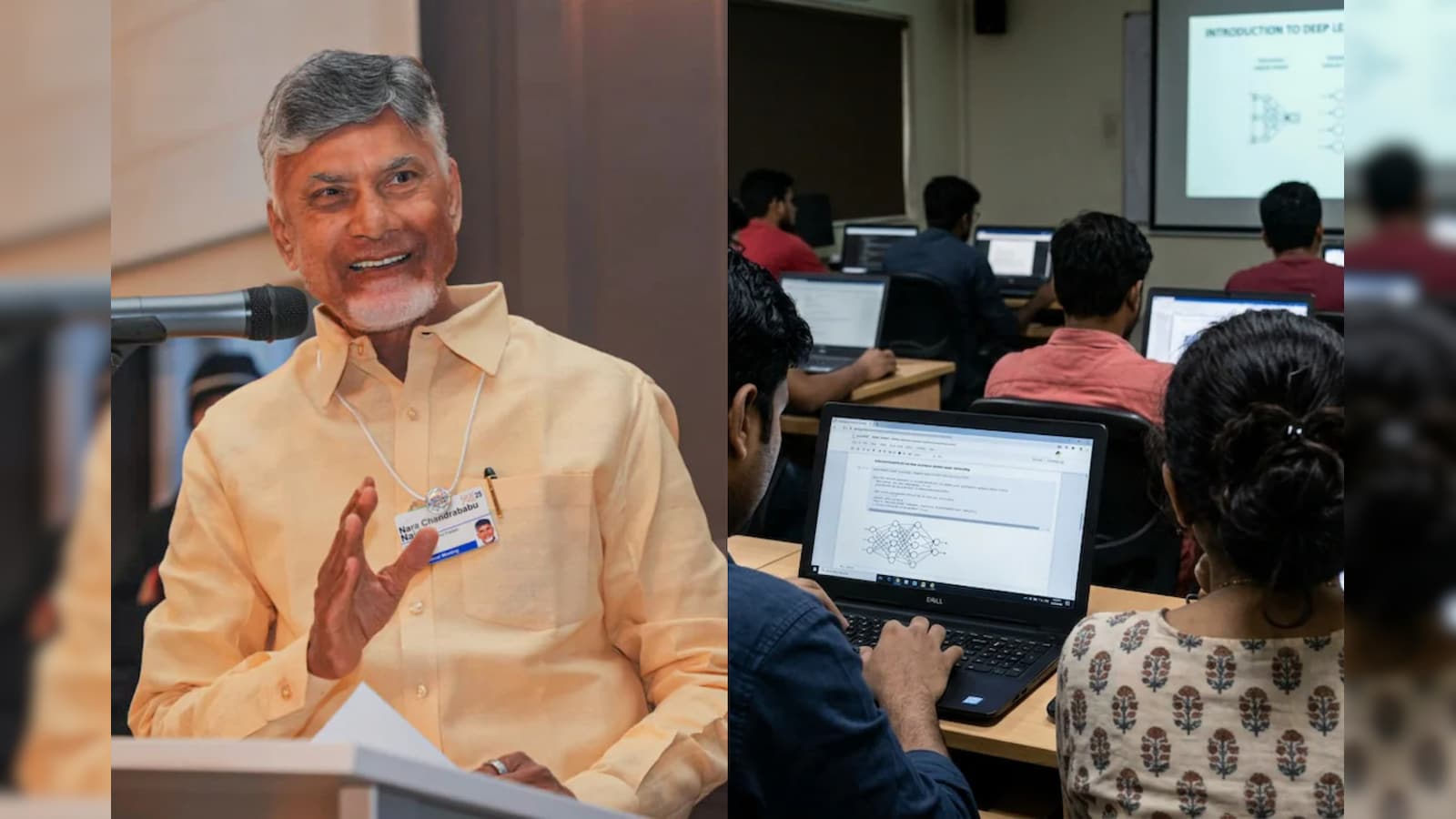
Andhra Pradesh Chief Minister N. Chandrababu Naidu approved a dedicated Quantum and AI University campus in Amaravati at a CRDA Authority meeting, according to DD India and Deccan Chronicle. NIELIT, under MeitY, is proposed to develop the 8.5-acre, Rs 730.7 crore campus over five years, with programmes starting from a temporary Guntur facility in September 2026.
Andhra Pradesh Chief Minister N. Chandrababu Naidu approved a dedicated Quantum and AI University campus in Amaravati at a meeting of the Capital Region Development Authority, according to DD India and Deccan Chronicle. The project is to be established by the National Institute of Electronics and Information Technology (NIELIT), which operates under the Ministry of Electronics and Information Technology (MeitY).
DD India, citing an official state press release, reports that Naidu described it as "India's first dedicated Quantum and AI University campus." The proposed campus covers 8.5 acres and carries an investment proposal of Rs 730.7 crore over five years. DD India and Deccan Chronicle report that the proposal calls for full funding through Government of India grant-in-aid from MeitY.
Programmes begin before permanent campus completion
Academic and advanced technology skill-development programmes are scheduled to begin in September 2026 from a temporary facility at Acharya Nagarjuna University in Guntur while the Amaravati campus is developed, according to DD India, NDTV, and Deccan Chronicle.
The reported programme portfolio spans undergraduate, postgraduate, doctoral, diploma, and executive education. DD India and Deccan Chronicle list the following areas:
- •Quantum computing, quantum communication, and quantum security
- •Artificial intelligence, machine learning, and data science
- •Semiconductor fabrication, chip design, VLSI, and assembly, testing, marking, and packaging
- •Embedded systems and high-performance computing
This is a notably broad technical remit. Quantum computing curricula generally require specialized laboratory access beyond conventional software instruction, while chip-design and semiconductor programmes depend on tooling, cleanroom access, and hardware-oriented training. Combining these subjects in one institution could give learners exposure to adjacent parts of the advanced-computing stack, though the sources do not specify course syllabi, faculty appointments, hardware vendors, or research access policies.
Research and fabrication infrastructure
A central proposed facility is the Quantum Research, Innovation and Incubation Block, reported at roughly 1.2 lakh to 1.25 lakh square feet. According to DD India, NDTV, and Deccan Chronicle, the block is intended to include infrastructure for quantum computing and communications, quantum photonics, quantum security, cryogenic systems, high-performance computing, cleanrooms, nano-fabrication, semiconductor technologies, chip design, data centres, and startup incubation.
The presence of cryogenic, photonics, cleanroom, and nano-fabrication facilities is material because these are foundational capabilities for hands-on work across several quantum-hardware and semiconductor research paths. In comparable public research campuses, building and operating such facilities involves long procurement cycles, specialist technical staffing, safety processes, and sustained operating budgets in addition to initial construction funding.
Training target and institutional links
Deccan Chronicle reports that the project targets training approximately 8,250 learners in five years, comprising 1,650 students in formal degree programmes and 6,600 participants in skilling and certification courses. The publication also reports an anticipated annual intake of about 3,913 by the fifth year.
Deccan Chronicle further reports that NIELIT has proposed collaborations with IIT Tirupati, IIIT Sri City, Andhra University, and JNTU institutions for academic programmes, research, and technology development. Details of any finalized agreements were not included in the retrieved reporting.
For AI and data-science practitioners, the immediate development is an institutional and infrastructure commitment rather than a new model, platform, or research result. The practical indicators to watch are the launch of the temporary programmes, publication of curriculum and laboratory specifications, faculty and research partnerships, and the availability of compute and fabrication facilities once the permanent campus progresses.
Key Points
- 1Andhra Pradesh approved a Rs 730.7 crore NIELIT campus combining quantum, AI, data science, semiconductor, and high-performance-computing education.
- 2Programmes are scheduled for September 2026 in Guntur, creating an earlier training pathway before the permanent Amaravati facility is completed.
- 3Comparable deep-tech campuses depend on specialized staffing, operating budgets, and laboratory access beyond construction funding and announced course portfolios.
Scoring Rationale
The approval commits substantial public funding to a combined quantum, AI, semiconductor, and HPC education and research campus. It is important for India's technical talent and research infrastructure, but it does not yet provide a deployable tool, model, benchmark, or demonstrated research output.
Sources
Public references used for this report.
Practice interview problems based on real data
1,625 SQL & Python problems across 15 industry datasets — the exact type of data you work with.
Try 250 free problems