Taiwan Indicts Nine Over AI Server Exports to China
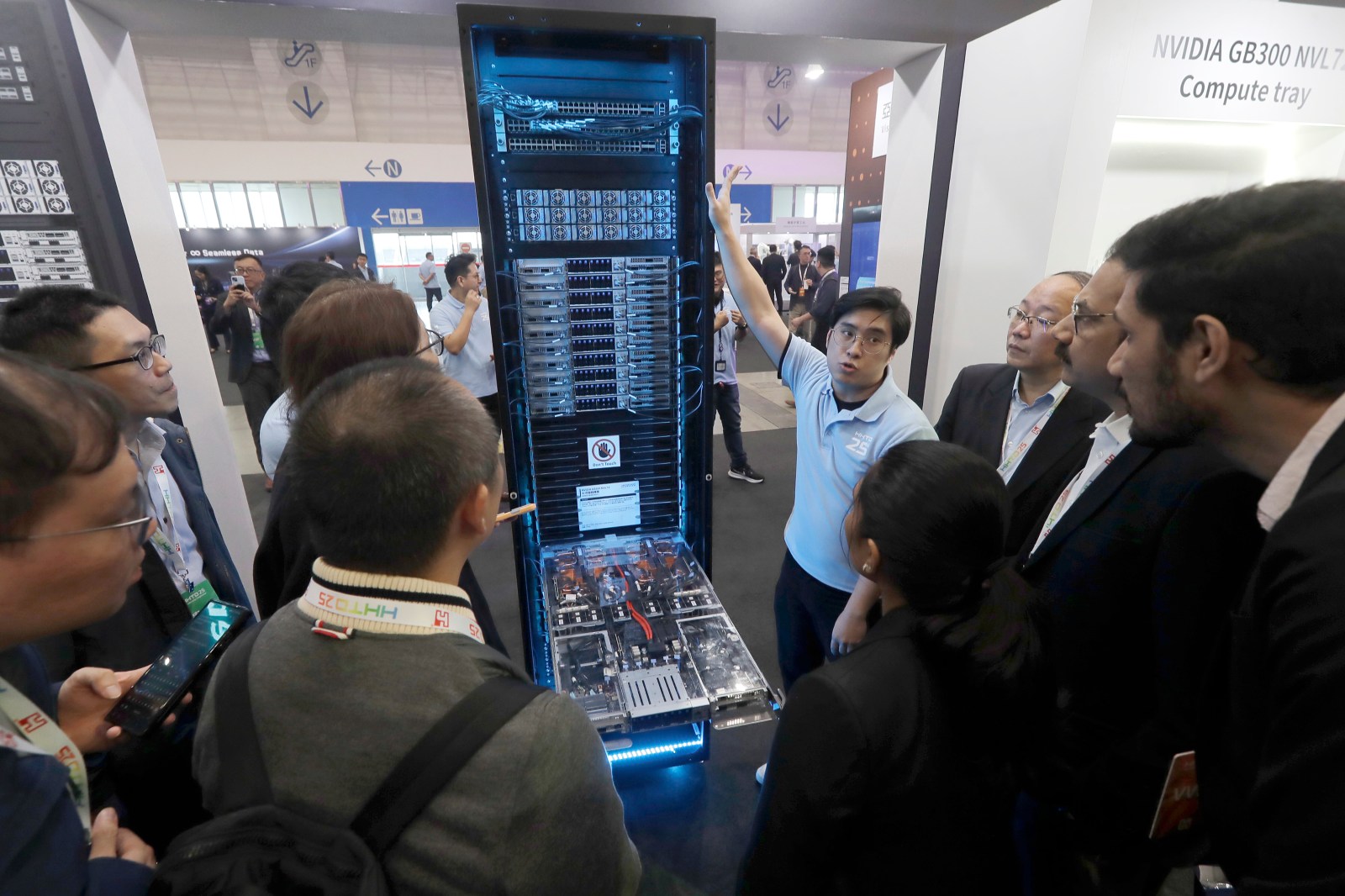
Taiwan's Keelung District Prosecutors Office announced indictments on August 24 against nine people in cases connected to alleged exports of high-end AI servers to Chinese buyers. Prosecutors said 74 of 130 Super Micro servers reached China through direct and transshipment routes, while 56 were stopped; the cases put attention on end-user verification and hardware traceability in controlled AI supply chains.
Taiwan's Keelung District Prosecutors Office announced indictments on August 24 against nine people in cases connected to alleged exports of high-end AI servers to Chinese buyers. The reporting identifies personnel associated with the Taiwan units of Nvidia and Super Micro among the defendants, alongside people tied to distributors, trading, customs-clearance, and data-center firms. The cases remain allegations, not findings of guilt.
What prosecutors allege
According to reporting that cites the prosecutors' statement, 130 Super Micro servers equipped with advanced Nvidia chips were ordered for a rented server facility in Taiwan. Prosecutors allege that false end-user documentation was used to make the systems appear destined for that facility.
They said 74 servers ultimately reached Chinese buyers. The reported routes included 50 servers via Indonesia, eight through Japan and Hong Kong, and 16 sent directly to China. Taiwanese customs stopped the planned export of the remaining 56 servers to a company in Japan.
Eight defendants face charges including breach of trust and document forgery in the core server-export case, while a ninth was charged in a related matter involving alleged diversion of funds from a distributor. Nvidia said it would work with Taiwan's authorities on the allegations. Super Micro said the arrests of two former employees followed the company's cooperation with the authorities and said it would continue to strengthen its export-compliance program.
The compliance issue behind the case
The reports place the allegations in the context of U.S. restrictions on sales of certain advanced AI hardware to China. The case is about the documentation and routing of server systems after sale, not a newly disclosed vulnerability in Nvidia hardware or a finding of wrongdoing by the companies themselves.
For infrastructure buyers, distributors, and operators, the practical lesson is narrower: controls on restricted equipment depend on more than the original authorization. End-user screening, destination checks, asset inventories, shipping records, and server-serial-number traceability can all matter when hardware moves through several firms and jurisdictions. Those controls do not resolve the charges in this case, but they are the operational safeguards the allegations put under scrutiny.
Key Points
- 1Prosecutors said 74 of 130 Super Micro servers equipped with advanced Nvidia chips reached Chinese buyers; 56 more were stopped before export.
- 2The cases involve nine defendants, including personnel associated with Nvidia and Super Micro's Taiwan units, and remain allegations rather than findings of guilt.
- 3The reported routes and end-user documents highlight compliance controls around destination screening, shipping records, and hardware traceability.
Scoring Rationale
The indictments concern alleged evasion of controls on advanced AI server hardware, creating a material supply-chain and compliance case for accelerator buyers, integrators, and distributors. It is not a technical product release, but it highlights operational risk in hardware provenance, customer verification, and transshipment oversight.
Sources
Public references used for this report.
Practice interview problems based on real data
1,625 SQL & Python problems across 15 industry datasets — the exact type of data you work with.
Try 250 free problems