Xiaomi Unveils AI Cube Local AI Prototype
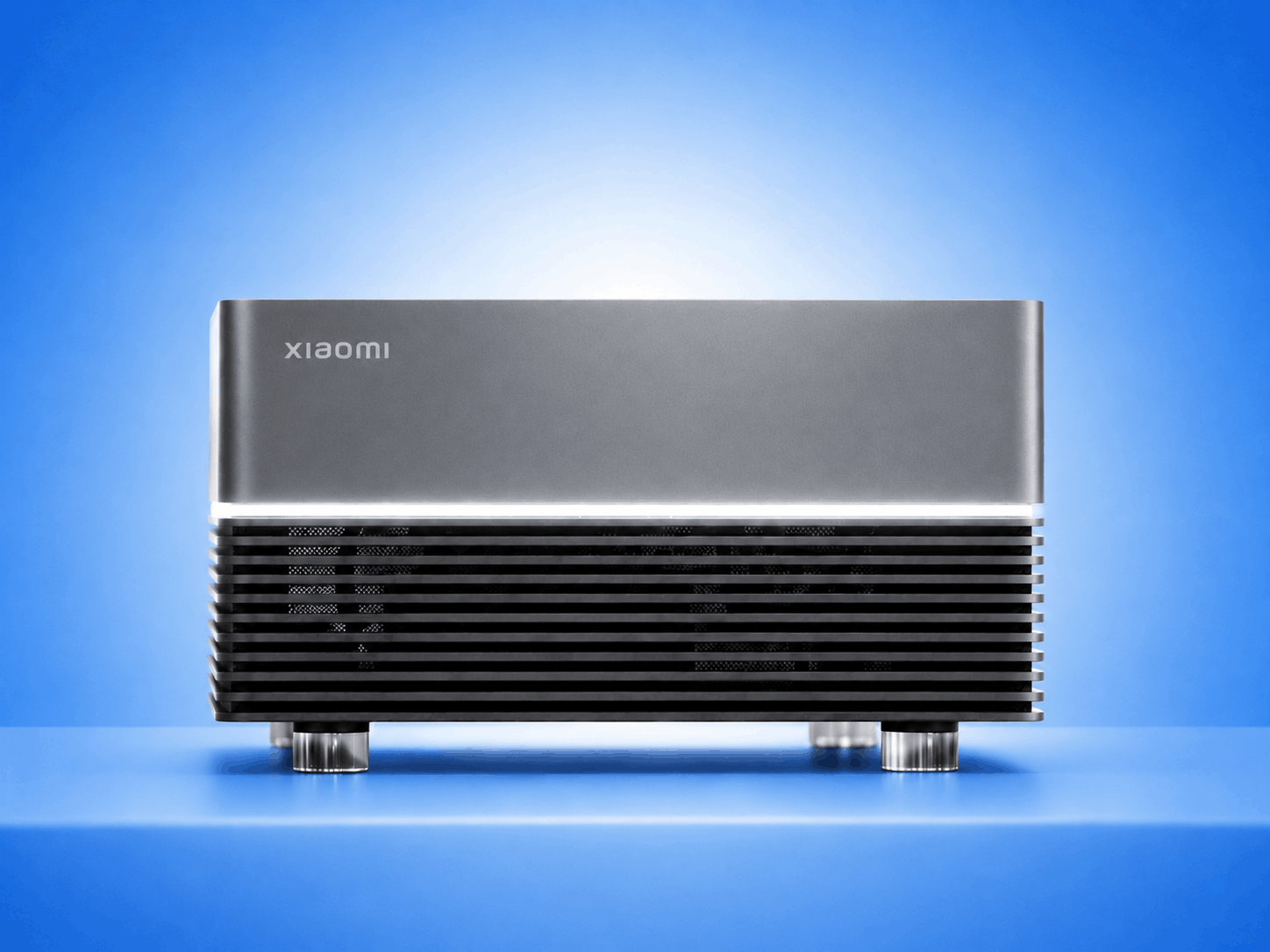
Xiaomi unveiled the AI Cube engineering prototype on August 24, 2026, a mini PC combining its XRING O3, O100, and D100 chips for local AI inference. According to Xiaomi presentation materials reported by VideoCardz and Notebookcheck, the system targets 3B and 120B-parameter models, sustains up to 150 W, and uses a near-memory accelerator rated at 1.22 TB/s bandwidth. No price or release date was announced.
Xiaomi unveiled the AI Cube, an engineering-prototype mini PC that combines three internally developed XRING chips for local AI model deployment. The device was presented at Xiaomi's XRING chip technology conference on August 24, according to Notebookcheck. Xiaomi has not announced a retail release date or price.
The prototype combines the XRING O3 general-purpose SoC, XRING O100 AI accelerator, and XRING D100 intelligent-driving processor. Xiaomi's presentation materials, as reported by VideoCardz, list support for local 3B and 120B models and up to 150 W of sustained performance.
A heterogeneous local-inference design
The O3 serves as the primary SoC. Gizmochina reports that Xiaomi specifies a 10-core all-big-core CPU, a 16-core G2-Ultra NX GPU, and a 200 TOPS low-power NPU for the chip. The presentation also lists LPDDR6 support.
The O100 is the system's high-bandwidth accelerator. According to VideoCardz's reporting on Xiaomi's materials, it combines 6 nm logic and NPU layers with two vertically stacked DRAM layers through wafer-on-wafer packaging. Xiaomi rates the design at 1.22 TB/s of near-memory bandwidth and 28,672 effective data connections. The company attributes the close memory-compute connection to hybrid bonding with a 1.4 um pitch and face-to-face metal interconnects.
The D100, described by Xiaomi as a 3 nm intelligent-driving AI processor, includes a 20-core CPU and 16-core NPU, according to Gizmochina and Notebookcheck. Xiaomi lists support for up to 160 GB of unified memory and states that the D100 can accommodate local models up to 200 billion parameters. That figure is a chip-level capability claim, rather than a demonstrated AI Cube configuration.
What remains unannounced
Xiaomi has publicly shown the AI Cube as a prototype, not a shipping product. VideoCardz reports that Xiaomi's materials place commercial availability for the O100 and D100 in 2027, while the company has not announced whether the AI Cube itself will reach retail.
The chassis uses an aluminum unibody design with 33,874 CNC-machined openings for cooling, according to Xiaomi materials reported by multiple outlets. The system also presents fast and slow operating modes for its local-model configuration, Notebookcheck reports.
For ML infrastructure teams, the notable technical detail is the use of stacked DRAM near an accelerator rather than a conventional discrete-GPU-centric mini-PC configuration. In comparable local-inference systems, memory capacity and memory bandwidth commonly constrain practical model size, quantization choices, batch size, and token throughput more directly than nominal NPU TOPS. Xiaomi has not published AI Cube inference benchmarks, model quantization details, latency figures, software-stack documentation, or measurements that would enable direct comparisons with established local AI workstations.
Key Points
- 1Xiaomi demonstrated a three-chip mini PC for local 3B and 120B model deployment, but disclosed no retail availability or price.
- 2The O100 accelerator is rated by Xiaomi at 1.22 TB/s near-memory bandwidth, making memory architecture the prototype's central technical differentiator.
- 3Practitioner evaluation requires inference benchmarks, quantization details, and software support because TOPS and parameter limits alone do not establish usable throughput.
Scoring Rationale
The prototype is a notable entry into local AI inference hardware because it combines Xiaomi-designed compute, accelerator, and automotive AI silicon with a high-bandwidth memory design. Its practitioner impact remains constrained by prototype status and the absence of published benchmarks, pricing, availability, and software-stack details.
Sources
Public references used for this report.
Practice interview problems based on real data
1,625 SQL & Python problems across 15 industry datasets — the exact type of data you work with.
Try 250 free problems