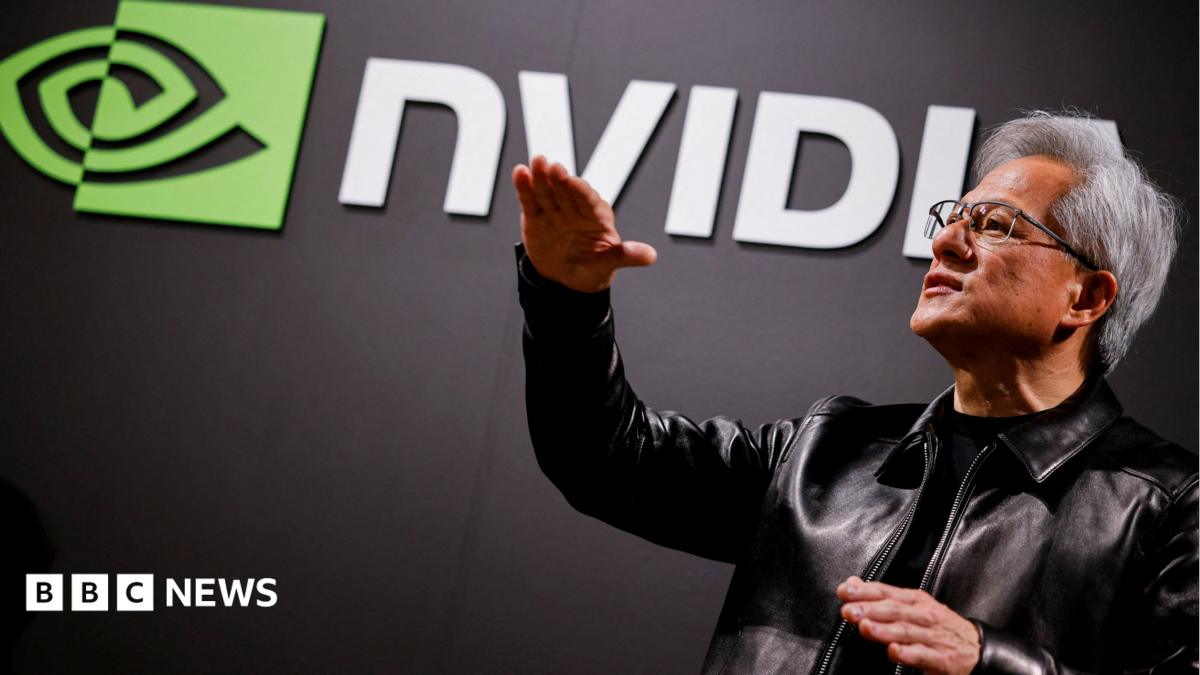
NVIDIA releases Omniverse libraries for simulation-ready 3D content
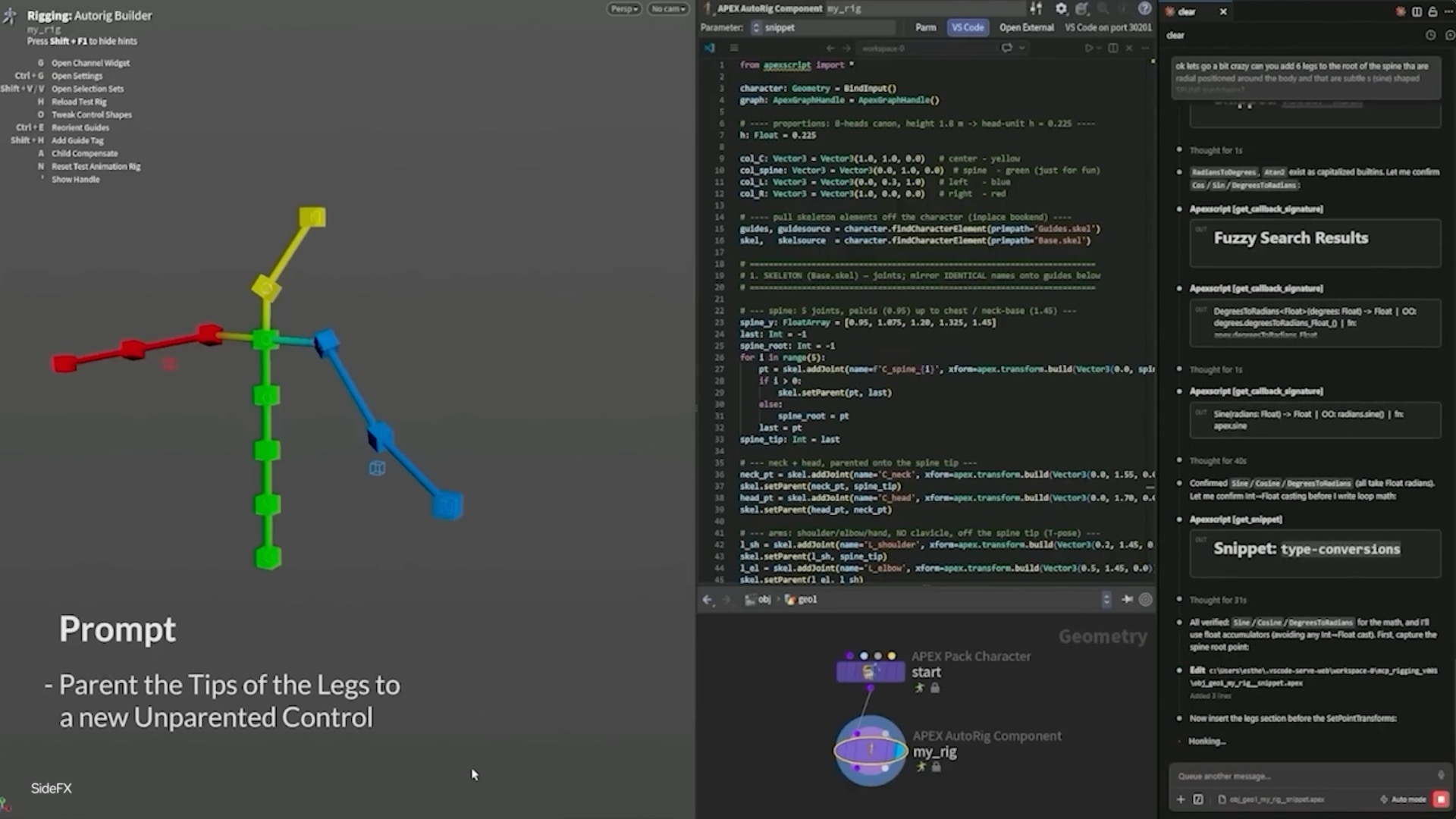
For practitioners, physical-AI development can require converting visual 3D assets into scenes with usable geometry, material, sensor and physics metadata. NVIDIA has introduced Omniverse libraries for bringing agent-assisted simulation preparation into existing 3D applications. StorageReview reports that the initial release includes ovrtx for RTX-based sensor simulation, ovphysx for GPU-accelerated physics, and CAD-to-SimReady skills for converting CAD data into OpenUSD-based SimReady assets. GamesBeat reports that SideFX and PTC are integrating the libraries for agent-ready sensor simulation, physics and asset validation. NVIDIA also published a Blender integration blueprint and made the components available on GitHub, according to StorageReview.
A tooling layer for physical-AI scene preparation
For practitioners, robotics and autonomous-system teams often treat simulation quality as a data-engineering problem as much as a rendering problem. A scene that looks realistic may still be unsuitable for training or validation if its geometry, scale, semantic labels, materials, sensor configuration, collision behavior and physical parameters are incomplete. NVIDIA's new Omniverse libraries target this preparation layer, exposing components that can be used in existing 3D applications and agent-assisted workflows.
NVIDIA introduced the libraries at SIGGRAPH on July 20. According to StorageReview, the release comprises software components for scene inspection, asset validation, physical-behavior modeling and sensor-data generation for robotics, factory automation and autonomous-system development. GamesBeat reports that NVIDIA frames the components as tools and skills that AI agents can use to prepare simulation-ready 3D environments.
The initial components
StorageReview identifies three initial offerings:
- •ovrtx, an RTX-based sensor-simulation library for generating virtual camera, lidar, radar and other sensor outputs from 3D scenes.
- •ovphysx, a GPU-accelerated physics library for modeling collisions, mass, friction, motion and related physical interactions.
- •CAD-to-SimReady skills, which convert CAD data into OpenUSD-based SimReady assets while adding structure and simulation attributes.
The distinction matters technically. Sensor simulation supports perception-stack development and evaluation with synthetic observations, while physics simulation supports testing interactions and dynamics. CAD conversion addresses a connected problem: engineering assets frequently lack the scene organization and physical metadata required by downstream simulation systems.
According to StorageReview, NVIDIA made the components available on GitHub and published a Blender integration blueprint demonstrating agent-ready simulation features in an existing 3D application. GamesBeat describes a SimReady Blender workflow demonstrated with Omniverse libraries and NVIDIA Nemotron Ultra.
Integrations and workflow implications
GamesBeat reports that SideFX and PTC are integrating Omniverse libraries for sensor simulation, physics and asset validation. StorageReview reports that SideFX is evaluating OpenUSD workflows with ovrtx and ovphysx in Houdini. The sources do not provide release dates or detailed production-availability commitments for those integrations.
Industry context
comparable simulation pipelines typically involve handoffs among CAD, digital-content-creation, perception, controls and infrastructure teams. Reusable components that standardize physical metadata and sensor generation can reduce custom integration work, but their practical value depends on interoperability, scene fidelity, versioning and validation against real-world data.
LDS assessment
The release is most relevant to teams building simulation pipelines around OpenUSD, GPU physics, synthetic sensor data or 3D content tools such as Blender and Houdini. Evaluation should focus on whether the libraries preserve required engineering semantics during CAD conversion, produce sensor outputs aligned with target hardware assumptions, and fit existing asset-management and experiment-tracking workflows.
NVIDIA CEO Jensen Huang said in a statement reported by GamesBeat, "The physical AI era will be built in simulation first." That framing aligns with the core implementation challenge identified across the coverage: producing assets that are not only visually plausible, but also structured and parameterized for repeatable simulation.
Key Points
- 1NVIDIA introduced libraries that connect 3D authoring workflows with sensor simulation, GPU physics and simulation-ready asset preparation.
- 2The release targets a recurring physical-AI bottleneck: enriching visual or CAD assets with validated simulation metadata and behavior.
- 3Interoperable OpenUSD, physics and sensor tooling can reduce pipeline fragmentation across robotics and digital-twin teams.
Scoring Rationale
This is a notable tooling release for teams developing robotics, autonomous systems and industrial digital twins with simulation-based workflows. Its relevance is strongest for practitioners using OpenUSD, GPU physics, synthetic sensor data or 3D content pipelines, though production integration details remain limited.
Sources
Primary source and supporting public references used for this report.
Practice interview problems based on real data
1,625 SQL & Python problems across 15 industry datasets — the exact type of data you work with.
Try 250 free problems