Meta Secures Space-Based Solar Supply for AI Data Centers
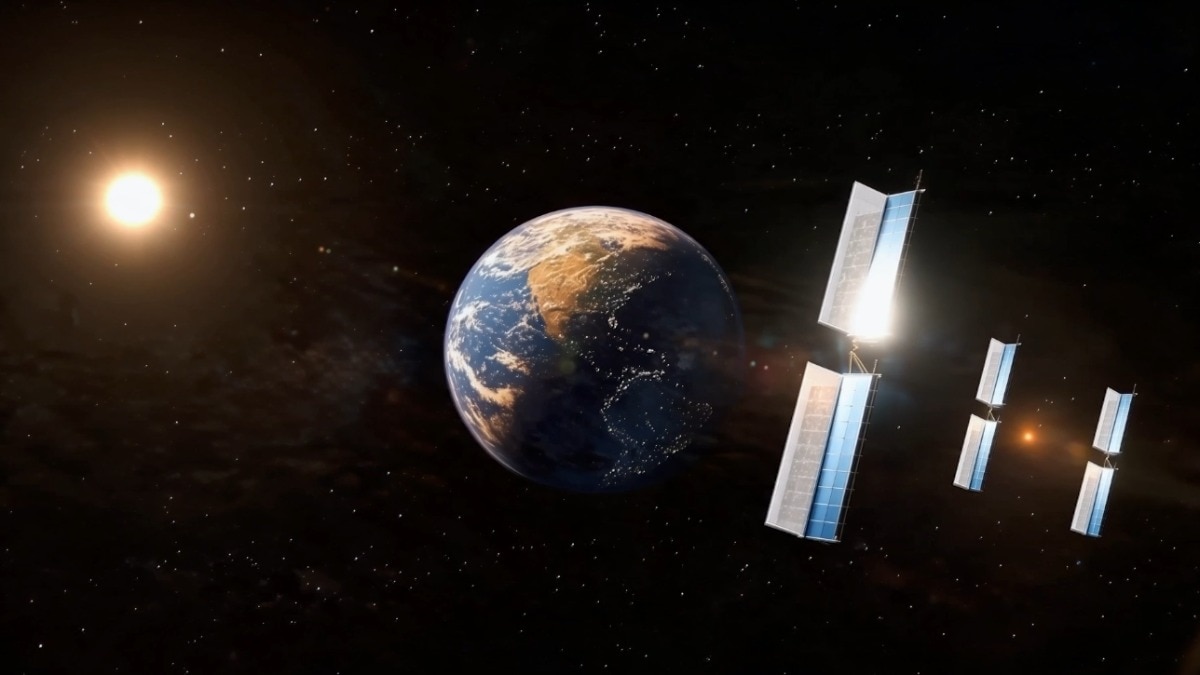
The Wall Street Journal and the Los Angeles Times report that Meta has agreed to purchase up to 1 gigawatt of space-collected solar power from Virginia startup Overview Energy, with the companies expecting commercial power delivery around 2030. Multiple outlets say Overview Energy plans an orbital demonstration in 2028 and that the system would collect sunlight in orbit and transmit it as low-intensity, near-infrared light to ground receivers at existing solar farms (reports include PCMag, IndiaToday, and LA Times). IndiaToday and other coverage also report Meta has a separate partnership with Noon Energy for long-duration storage. The LA Times reports Meta declined to disclose financial terms. Companies exploring space-solar aim to solve intermittency but the technology remains unproven at commercial scale.
What happened
Meta has entered an agreement to secure space-based solar power from Overview Energy, with press coverage from the Wall Street Journal and the Los Angeles Times saying the deal covers up to 1 gigawatt of capacity. The LA Times reports the parties expect commercial power delivery in 2030, and several outlets note that Overview Energy plans an orbital demonstration in 2028. PCMag and IndiaToday describe the proposed system as satellites in near-geosynchronous orbit collecting sunlight and transmitting energy as low-intensity, near-infrared light to receivers on the ground at existing solar farms. IndiaToday and other outlets report Meta also announced a partnership with Noon Energy for long-duration renewable storage.
Technical details
Per reporting in PCMag and IndiaToday, Overview Energy intends to mass-produce satellites that convert sunlight in orbit and beam energy down via near-infrared lasers to ground receivers integrated with terrestrial solar infrastructure. Coverage places the orbit roughly in geosynchronous altitude, which the outlets describe as about 22,000 miles above Earth. The LA Times and WSJ note Overview Energy's technology is still in development and that the initial orbital demonstration is planned for 2028.
Editorial analysis - technical context
Space-based solar power proposals trade continuous solar exposure for added conversion and transmission steps, which introduce conversion losses, pointing and tracking precision requirements, and regulatory and safety considerations for beamed energy. Industry-pattern observations: prior government and private studies have flagged technical and economic uncertainties around launch costs, satellite manufacturing scale, conversion efficiency, and the need for reliable ground receiver arrays before commercial delivery is viable.
Context and significance
data-center electricity demand tied to AI workloads is a material driver of corporate energy procurement. IndiaToday cites the International Energy Agency projecting data-center electricity consumption could more than double by 2030, reaching about 3% of global electricity demand. For large cloud and AI operators, securing long-duration or round-the-clock low-carbon supply has moved from corporate-CSR discussion into strategic infrastructure procurement, which helps explain experimentation with novel sources like space solar plus storage partnerships.
What to watch
- •Successful completion and performance metrics from Overview Energy's planned 2028 orbital demonstration, including end-to-end conversion efficiency and reliability.
- •Regulatory decisions and safety assessments for beaming energy to ground, including spectrum and airspace coordination.
- •Cost per MWh compared with terrestrial renewables plus storage, and the timeline for scaling satellite manufacturing and ground receiver deployment.
- •How long-duration storage integrations, such as the reported Noon Energy partnership, perform in field trials and change dispatchability of renewables.
Sources reporting the core facts include the Wall Street Journal, the Los Angeles Times, PCMag, and IndiaToday. Editorial analysis in this piece is an LDS synthesis of those reports and broader industry patterns.
Key Points
- 1Space-based solar offers potential 24/7 renewable supply, but commercial viability hinges on orbital-demo performance and conversion efficiency.
- 2Pairing novel power sources with long-duration storage is emerging as a procurement pattern to smooth intermittent renewables for AI workloads.
- 3Large AI energy demands make power contracts and grid integration material to total cost of ownership; delivery timelines matter for capacity planning.
Scoring Rationale
This is a notable infrastructure development: a major AI operator securing an experimental power source could reshape long-term supply options. The technology remains unproven and commercial delivery is several years out, so immediate practitioner impact is limited but strategically important.
Sources
Public references used for this report.
View 8 more sources
- Meta to collect solar power from space - The Telegraphtelegraph.co.uk
- Mark Zuckerberg Looks to SimCity 2000 Idea to Power AI Data Centerspcmag.com
- Meta seeking energy from space for earth-bound datacenterstheregister.com
- Meta Teams Up With Overview Energy To Harness 'First-of-Its-Kind ...benzinga.com
- Meta Signs deal for Space-Based Solar Power to Fuel AI Data ...itp.net
- Meta bets on space solar to power AI growth - The American Bazaaramericanbazaaronline.com
- Mark Zuckerberg Looks to SimCity 2000 Idea to Power AI Data ...tech.yahoo.com
- OCR Meta to collect solar power from space - Threadsthreads.com
Practice with real Ad Tech data
90 SQL & Python problems · 15 industry datasets
250 free problems · No credit card
See all Ad Tech problems