Cloudflare Launches Dashboard for AI Brand Visibility
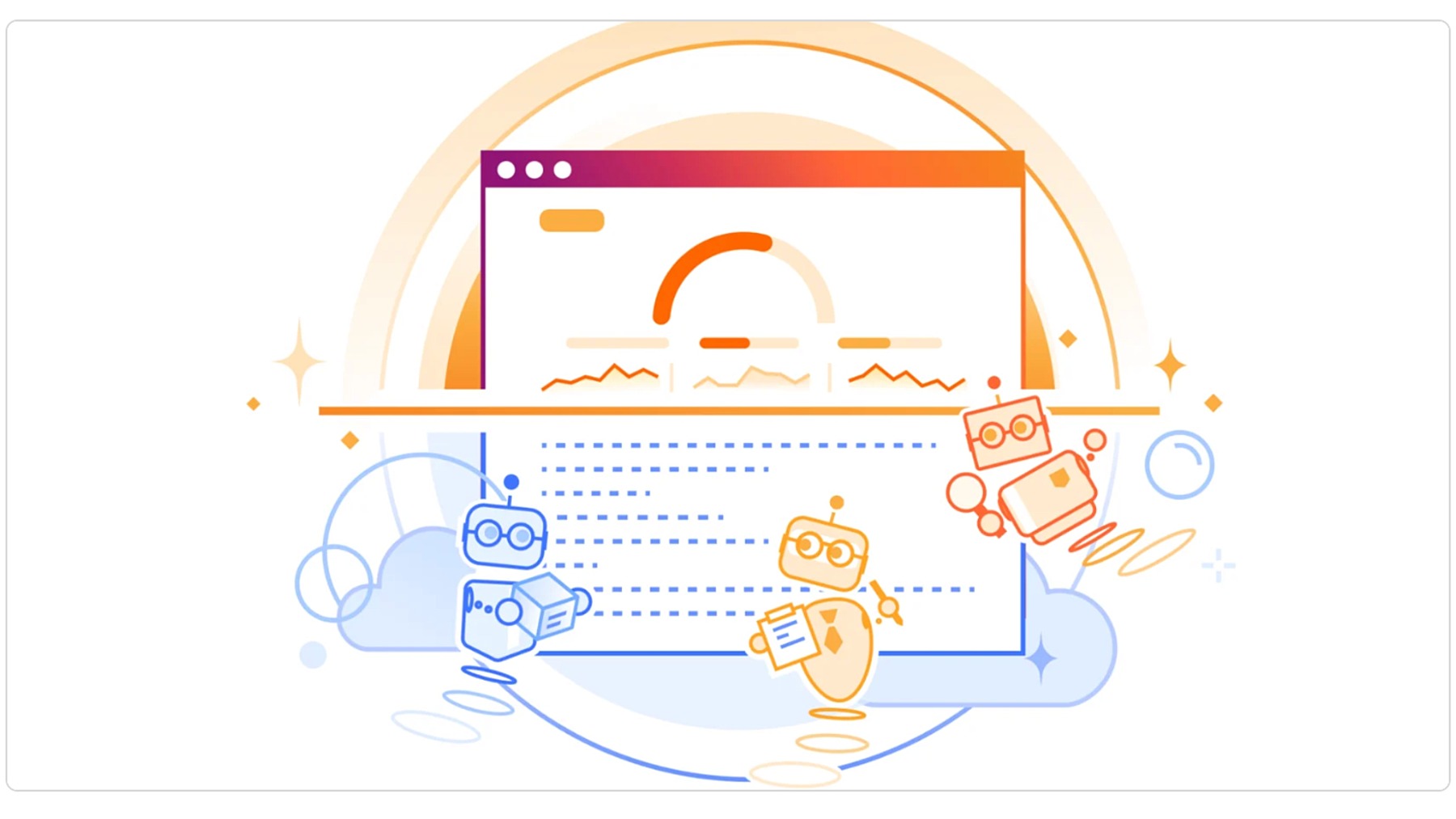
Cloudflare released its AEO Visibility Dashboard on August 6, giving website owners visibility into whether AI assistants cite, mention, rank, or recommend their businesses. The dashboard joins Cloudflare's Agent Readiness tool, which checks whether AI agents can access and read a site. Adweek reports that the product is launching in early access.
Cloudflare released the AEO Visibility Dashboard on August 6, adding a measurement product for website owners seeking to understand how AI assistants cite, mention, rank, or recommend their businesses. The dashboard is part of Cloudflare's Answer Engine Optimization, or AEO, Suite, and Adweek reports it is launching in early access.
The new dashboard follows Agent Readiness, an existing AEO Suite tool that checks whether AI agents can find and read a site. According to Cloudflare's press release, Agent Readiness addresses crawler accessibility, while the Visibility Dashboard is intended to measure what happens after an agent has crawled a website.
Network-derived signals
Cloudflare says the dashboard draws on crawl and referral activity it observes at the network layer across millions of sites. The company contrasts that approach with tools that send test prompts to chatbots and sample their outputs, which Cloudflare characterizes as limited in scale and potentially inconsistent when used without other data signals.
"Being discoverable used to mean ranking on a page. That's not enough anymore," Stephanie Cohen, Cloudflare's chief strategy officer, said in the release. She said Cloudflare observes "real crawl activity" and "real referrals" from AI systems across its network.
Adweek describes the product as a visibility layer for brands trying to determine whether answer engines such as ChatGPT and Gemini use their content. Its reporting distinguishes the dashboard's post-crawl measurement function from Agent Readiness' access testing.
Measurement challenges in answer-engine optimization
The launch addresses a practical measurement gap created by AI-mediated discovery: conventional search analytics can report impressions, rankings, and referral traffic, while generated answers can make recommendation and citation behavior harder to inspect. Cloudflare's reported methodology may give web teams a complementary source of evidence, particularly where crawler activity and inbound referrals can be correlated with changes in content or site accessibility.
That evidence does not by itself establish why a particular model generated a recommendation, or whether the same result will recur for every prompt, user, model version, or region. Teams evaluating answer-engine visibility products generally need to separate observed traffic and crawler signals from model-output testing, then validate findings through repeatable prompt sets and referral analytics.
For practitioners managing AI crawler access, the two Cloudflare tools create a sequence of questions: whether an agent can retrieve site content, and whether observable downstream signals indicate discovery or referral. The available reporting does not detail model coverage, dashboard metrics, data retention, or export capabilities.
Key Points
- 1Cloudflare's new dashboard measures reported AI crawl and referral signals, extending its suite beyond checks of whether agents can access a website.
- 2Adweek reports the early-access product addresses whether answer engines cite, mention, or recommend brands after processing their web content.
- 3Across the industry, reliable answer-engine measurement requires separating network telemetry, referral analytics, and repeatable model-output tests.
Scoring Rationale
The release targets an emerging measurement problem for teams managing web content and AI-mediated discovery. Its relevance is strongest for SEO, web analytics, and data practitioners, though the available reporting leaves important implementation and coverage details unspecified.
Sources
Primary source and supporting public references used for this report.
Practice interview problems based on real data
1,625 SQL & Python problems across 15 industry datasets — the exact type of data you work with.
Try 250 free problems