Claude Code team details its internal review and agent workflows
Anthropic's Claude Code team described how it uses coding agents in a July 1 conference discussion published on video July 15 and as an edited transcript July 21. The team said its internal Claude Tag system lands 65% of product-engineering pull requests, while critical core changes still require manual code-owner review.
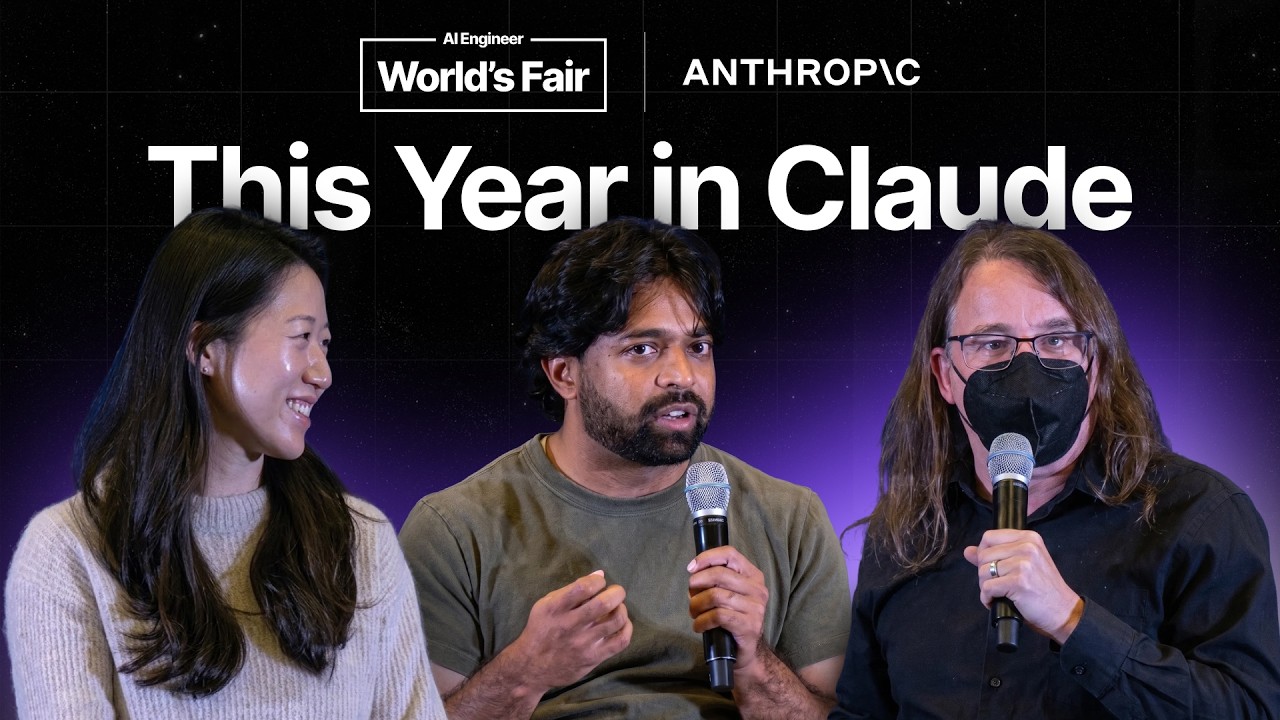
Anthropic's Claude Code team gave a detailed account of its internal development workflow during a July 1 session at AI Engineer World's Fair. The conference published the 51-minute recording on July 15, and moderator Simon Willison released an edited transcript on July 21.
The session brought together Cat Wu, Anthropic's head of product for Claude Code, and Claude Code engineer Thariq Shihipar. Their discussion covered automated review, product testing, model evaluation, prompt design and the company's use of Claude Tag.
Claude Tag handles a large share of product pull requests
Wu said Anthropic's internal version of Claude Tag lands 65% of pull requests for the Claude Code product-engineering team. She explicitly limited that figure to the product team, not Anthropic as a whole. The collaborative agent can work from Slack channels, retain team preferences and proactively take on tasks such as responding to bug reports.
That automation does not mean every change bypasses people. Wu and Shihipar said critical work in Claude Code's core still has a human code owner who must approve changes. For less sensitive outer-layer changes, the team increasingly relies on automated review, CI and an expanding evaluation set built from failures and incidents. These are descriptions of Anthropic's internal process, not an independently measured error rate.
Internal use is a release gate
Wu said Claude Code features go to Anthropic employees and selected early customers before public release. The team tracks active use and retention internally, and features must clear those thresholds before shipping more broadly. That provides a concrete example of using behavioral adoption data alongside technical evaluations.
The speakers also described simplifying instructions for newer models. Shihipar said Claude Code's system prompt had been reduced by about 80% across recent model generations, and warned that long lists of examples or prohibitions can reduce performance. The team said it maintains both capability evaluations and behavioral checks for issues users find frustrating.
For practitioners, the useful lesson is the operating model rather than the headline automation percentage: define which files or actions still require human ownership, turn failures into regression tests, and use real internal retention as a separate gate from whether an agent can complete a task once. The session offers first-party workflow claims, but organizations would still need their own measurements before adopting the same review boundaries.
Key Points
- 1Anthropic says its internal Claude Tag system lands 65% of pull requests for the Claude Code product-engineering team, not for the company as a whole.
- 2Critical core changes still require manual code-owner approval, while automated review increasingly covers lower-risk outer layers.
- 3The team uses internal adoption and retention as release gates alongside capability and behavioral evaluations.
Scoring Rationale
The conference discussion provides unusually specific first-party details about agent-assisted code review, internal release gates and prompt simplification that are useful to AI engineering teams. Its impact is moderated because it is a workflow discussion rather than a new product release, and the operational results are company-reported rather than independently measured.
Sources
Primary source and supporting public references used for this report.
Practice interview problems based on real data
1,625 SQL & Python problems across 15 industry datasets — the exact type of data you work with.
Try 250 free problems