Anduril and Archer unveil Thunder autonomous attack tiltrotor
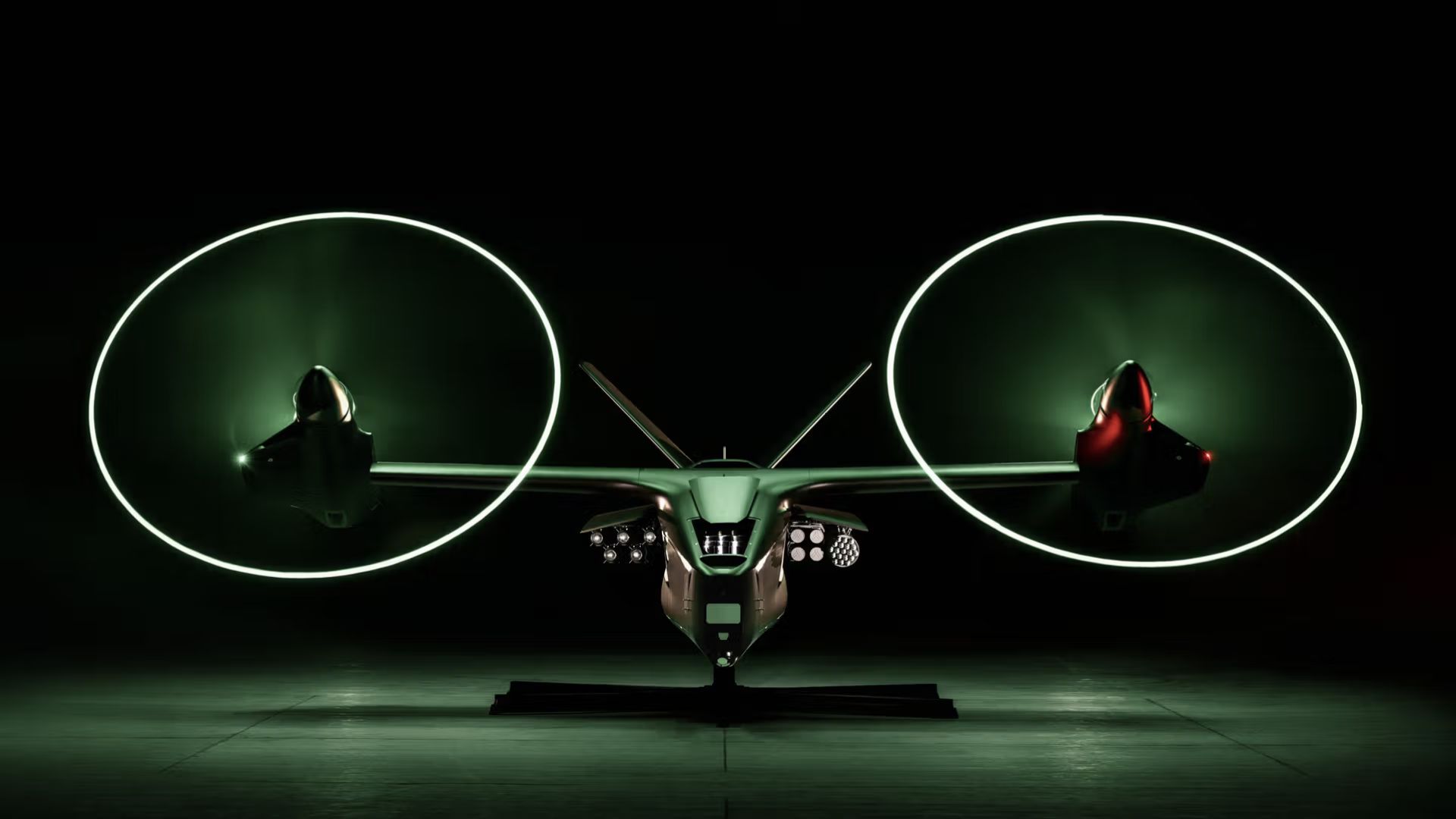
Anduril and Archer unveiled Thunder, a hybrid-electric autonomous attack rotorcraft designed to fly with crewed helicopters. The companies plan the aircraft's first flight for 2027, so the July 20 reveal is a development milestone rather than an operational deployment.
Anduril and Archer Aviation unveiled Thunder at the Farnborough International Airshow on July 20. The companies describe it as a Group 5, series hybrid-electric autonomous attack rotorcraft intended to extend the sensing and weapons capacity of crewed aircraft such as the Apache and the future MV-75 Cheyenne II.
What the companies disclosed
Thunder uses a dual-tiltrotor configuration for vertical takeoff and wing-borne cruise. Archer is contributing the aircraft and core aviation technology, while Anduril is leading the defense systems, autonomy and command-and-control work. The companies say full-scale surrogate aircraft have completed multiple test flights, but Thunder itself is not yet flying; its first flight is planned for 2027.
The design is modular. In briefings reported by The War Zone, Breaking Defense and Axios, Anduril executives said payload configurations could include up to 10 Hellfire missiles, 16 air-launched effects or 76 rockets. Those figures are proposed configuration limits, not evidence that a production aircraft has flown with those loads. The companies have not named a launch customer, disclosed a price or published independent performance results.
The autonomy claim is still pre-deployment
Anduril says Thunder will use its Lattice software and passive sensing to fly fast and low, avoid terrain and operate near crewed aircraft. Breaking Defense reported that the software has flown on surrogate aircraft for about two years. That is useful development evidence, but it does not establish the reliability of the complete Thunder system in operational conditions.
For data and AI teams, the important engineering pattern is the separation of software validation from airframe readiness: autonomy can accumulate flight hours on surrogate platforms while the production-intent vehicle is still being built. The harder milestone will be demonstrating that perception, planning and command-and-control remain dependable during low-altitude flight, close formation operations and contested communications.
Anduril told reporters that production could begin around 2029 or 2030 if demand materializes. Until Thunder flies and customers disclose test results, its range, payload flexibility and survivability should be treated as company targets rather than verified field performance.
Key Points
- 1Anduril and Archer unveiled Thunder as a Group 5 hybrid-electric autonomous attack rotorcraft for teaming with crewed helicopters.
- 2Reported payload options include up to 10 Hellfire missiles, 16 air-launched effects or 76 rockets, but Thunder's own first flight is not planned until 2027.
- 3The companies have not named a launch customer or published independent performance, reliability or pricing data.
Scoring Rationale
Thunder is a concrete defense-autonomy platform that combines an autonomous flight stack with a new heavy-payload VTOL airframe. Its impact is moderated because the aircraft has not flown, no customer is named and its performance claims remain unverified targets.
Sources
Primary source and supporting public references used for this report.
Practice interview problems based on real data
1,625 SQL & Python problems across 15 industry datasets — the exact type of data you work with.
Try 250 free problems