Researchbottom mixed layerseafloor topographyclimate modelingdeep sea ecosystems
Abyssal Ocean Reveals Active Bottom Mixing
8.3
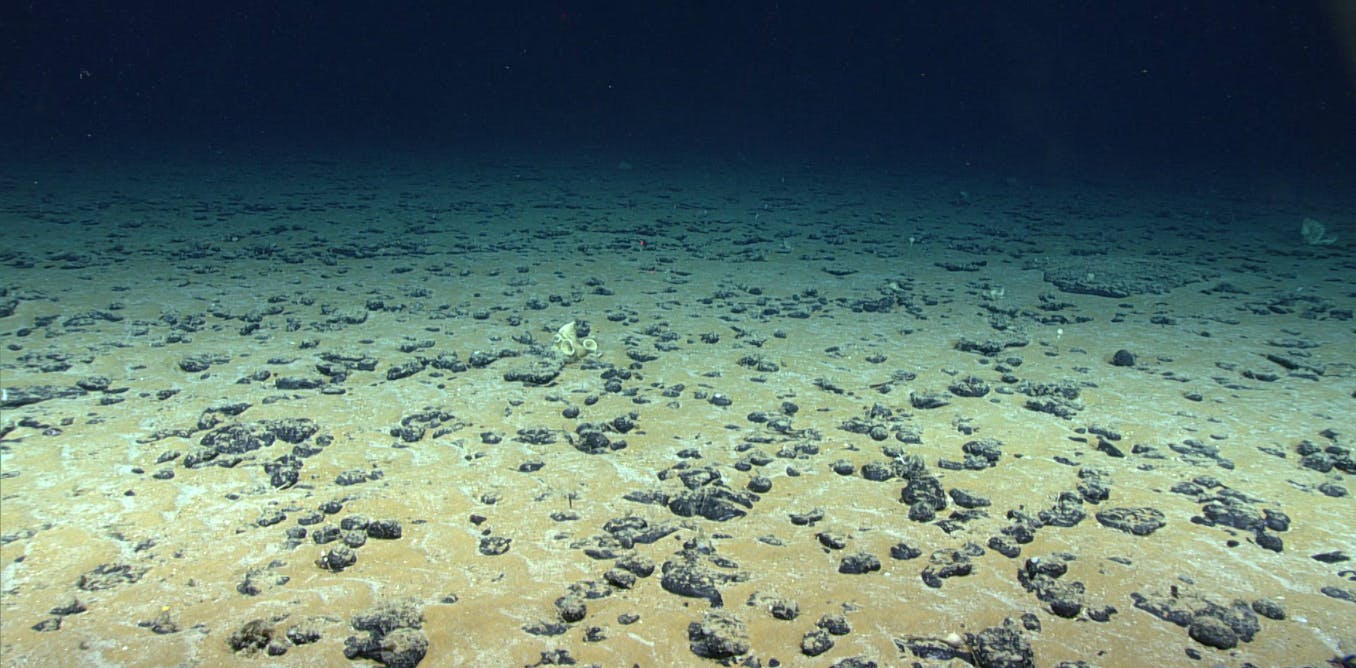
Researchers published in the journal Ocean Science report that the abyssal Pacific’s bottom mixed layer is highly variable, based on new trans-Pacific surface-to-seafloor measurements and two decades of repeat data. They found layer thicknesses ranging from under 100m to over 700m, driven by seafloor topography and tidal-wave interactions, with implications for climate models, sediment transport and high-seas management.
Key Points
- 1Finds bottom mixed layer varies from less than 100m to over 700m in abyssal Pacific regions
- 2Shows seafloor topography and tidal-wave interactions control mixing, altering heat and nutrient transport
- 3Impels climate modelers and policymakers to incorporate seabed mixing for better projections and management
Scoring Rationale
Robust, peer-reviewed abyssal observations reveal key mixing mechanisms, but sparse spatial sampling limits immediate global model parameterization.
Practice interview problems based on real data
1,625 SQL & Python problems across 15 industry datasets — the exact type of data you work with.
Try 250 free problems