XTEND Completes Atlas Integration Across Europe
XTEND completed its integration of Latvia-based robotics company Atlas on July 27, expanding its European manufacturing and engineering footprint and adding more than 4,200 deployed robotic systems, according to the company's press release. The integration adds four ISR platforms and AtlasRADIO, a software-defined tactical communications platform, to XTEND's portfolio, The Jerusalem Post reported.
XTEND completed the integration of Latvia-based robotics company Atlas on July 27, expanding its European manufacturing and engineering footprint and adding more than 4,200 deployed robotic systems to its portfolio, according to the company's press release.
The operational integration follows XTEND's acquisition of Atlas earlier in 2026. XTEND said the process combined Atlas's engineering, manufacturing, commercial, and product organizations into its global structure.
Robotics and communications additions
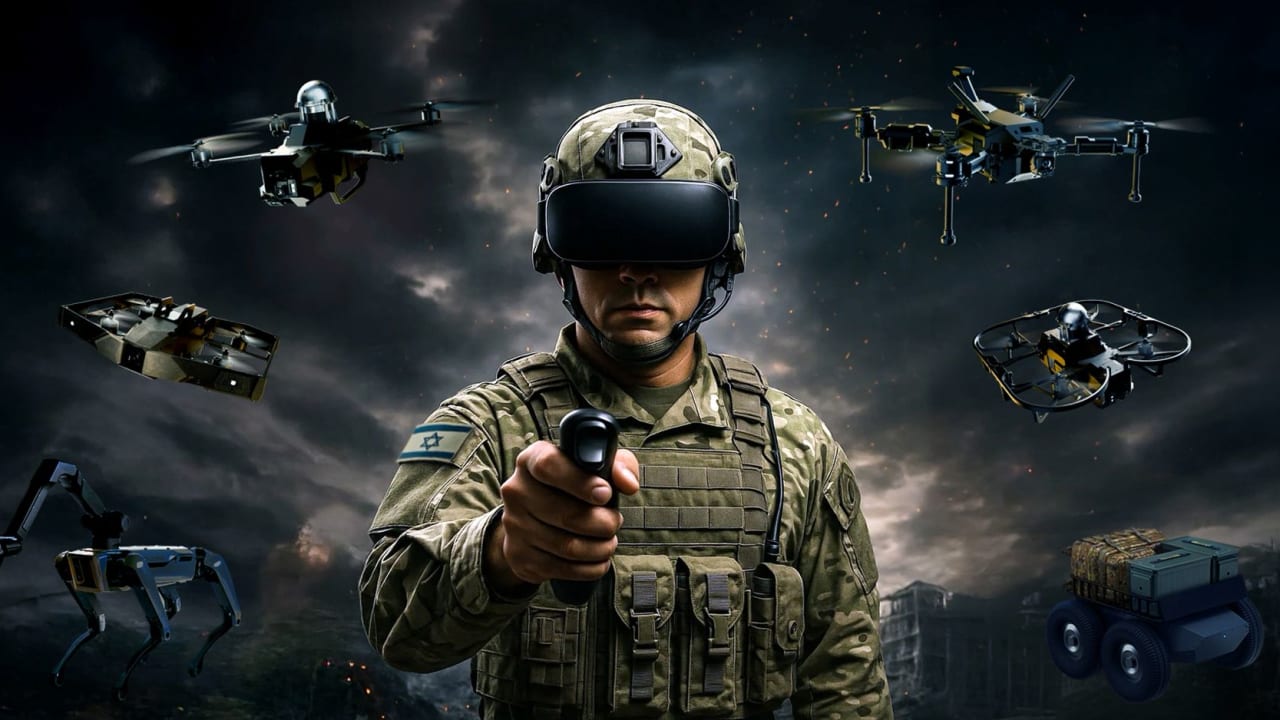
According to XTEND's press release, the integration adds four intelligence, surveillance, and reconnaissance, or ISR, platforms to its XOS-powered robotics ecosystem. The company also identified Latvia as its European manufacturing and engineering hub.
The Jerusalem Post reported that the combined portfolio includes tactical communications technologies alongside the robotic platforms. AtlasRADIO, an addition to XTEND's communications portfolio, is a software-defined tactical communications platform supporting secure mesh networking and embedded integration across robotic systems, according to the publication. The report described the platform as intended for OEM deployment and network-centric architectures.
The Jerusalem Post also reported that the integration expands XTEND's commercial reach to roughly 40 European countries. Its reporting framed the transaction as strengthening XTEND's support for NATO, EU defense organizations, and allied nations through regionally manufactured autonomous systems.
Implications for autonomous-system architectures
The reported combination brings together ISR robotics, tactical communications, manufacturing capacity, and a common software ecosystem. For engineering teams working on defense or industrial autonomy, that combination reflects a wider sector pattern: multi-robot deployments increasingly depend on communications layers that can support secure networking, device integration, and distributed operations rather than treating the vehicle as a standalone system.
The Jerusalem Post reported that the modular architecture of Atlas's robotic platforms allows components to operate independently or as part of an integrated network. It also described XTEND's stated direction as replacing legacy commercial drones with NDAA-compliant autonomous systems. Public reporting does not provide technical details on the integration interfaces, radio protocols, autonomy stack, or deployment performance of the combined platforms.
Key Points
- 1XTEND integrated Atlas, adding four ISR platforms, tactical communications technology, and more than 4,200 deployed robotic systems to its portfolio.
- 2Latvia becomes XTEND's European manufacturing and engineering hub, while The Jerusalem Post reports commercial reach across roughly 40 European countries.
- 3Comparable autonomous-system deployments increasingly combine vehicle autonomy with secure mesh networking, embedded communications, and modular components for distributed operations.
Scoring Rationale
The integration is a notable defense-robotics business expansion that combines deployed ISR platforms with tactical communications technology and European manufacturing capacity. It is relevant to practitioners building multi-robot and networked-autonomy systems, though the reporting provides limited technical implementation detail.
Sources
Primary source and supporting public references used for this report.
Practice with real SaaS & B2B data
90 SQL & Python problems · 15 industry datasets
250 free problems · No credit card
See all SaaS & B2B problems