XPENG Robotics Demonstrates Human-Like Humanoid IRON
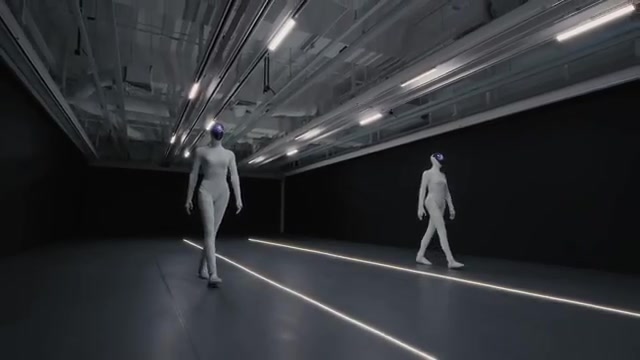
XPENG Robotics recently presented IRON, a humanoid prototype and a general-purpose "body logic" framework that coordinates skeleton geometry, a muscle-like lattice, skin materials, and learning methods. The company highlights three connected advances—waist/spine mechanics, compliant lattice materials, and a reworked control stack—that improve perceptual human-likeness. These choices raise simulation and data costs but yield more expressive, robust motion across sizes and roles.
Key Points
- 1Defines integrated body logic coordinating skeleton, lattice, skin, and controllers for human-like motion
- 2Highlights waist/spine mechanics, compliant lattice, and control co-design as crucial for perceptual believability
- 3Requires extensive system identification, data collection, and compute, affecting development timelines and cost
Scoring Rationale
Strong, practical system-design insights raise applicability across humanoid robotics, limited by prototype scope and heavy data/compute costs.
Practice interview problems based on real data
1,625 SQL & Python problems across 15 industry datasets — the exact type of data you work with.
Try 250 free problems