U.S. Launches Pax Silica to Secure AI Supply Chains

The United States Department of State has established Pax Silica, a U.S.-led initiative to coordinate allied action on AI and critical supply chains, according to the State Department's Pax Silica declaration. The initiative frames a shared economic-security approach covering compute, semiconductors, advanced manufacturing, energy, and critical minerals, and includes a declaration text and remarks from Under Secretary Jacob Helberg on the need to secure the AI ecosystem (State Department). Reporting by Bloomberg and CBS News says the initiative is being positioned to reduce Western reliance on Chinese suppliers for AI infrastructure; Bloomberg reports the European Commission is in talks about joining while Sweden and Finland have moved independently to participate. Stimson Center materials record that Taiwan signed a joint statement endorsing Pax Silica in January 2026. Other reporting indicates India and the Netherlands have signaled participation in the coalition.
What happened
The United States Department of State published the Pax Silica declaration, framing Pax Silica as its flagship effort on AI and supply chain security and calling for aligned partners to build a "trusted ecosystem" spanning compute, semiconductors, advanced manufacturing, energy, and critical minerals (U.S. Department of State). The declaration includes the statement by Under Secretary Jacob Helberg: "If the 20th century ran on oil and steel, the 21st century runs on compute and the minerals that feed it," attributed on the State Department page. Public reporting describes Pax Silica as a U.S.-led initiative intended to reduce Western reliance on Chinese suppliers for AI infrastructure; Bloomberg and CBS News both characterize the initiative in that way (Bloomberg via Yahoo Finance; CBS News). Bloomberg reports the European Commission is negotiating participation and that member states including Sweden and Finland have moved to join independently, while France remains a major holdout (Bloomberg). The Stimson Center documents that Taiwan signed a joint statement endorsing Pax Silica in January 2026 (Stimson Center). Additional reporting indicates India and the Netherlands have signaled participation at Pax Silica events (IDSA; CEO Insights).
Editorial analysis - technical context
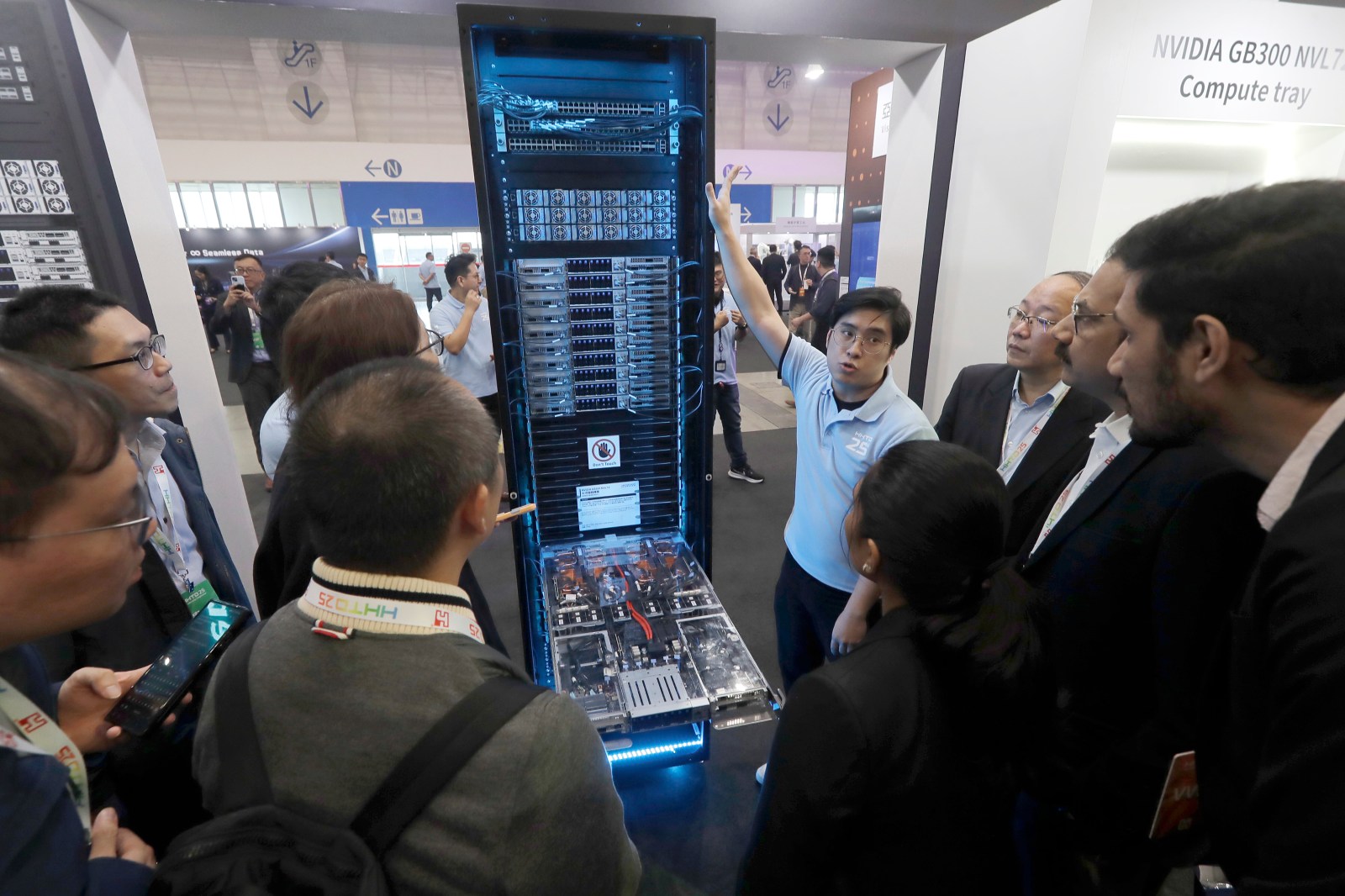
Companies supplying AI infrastructure typically depend on tightly coupled global supply chains for high-end GPUs, semiconductor fabrication, refined minerals, and data center capacity. Industry-pattern observations: initiatives that attempt to create "trusted" supplier networks or allied procurement frameworks often focus on diversification, stockpiling, onshoring or nearshoring of fabrication, and joint investments in refining and recycling capacity. For practitioners, those moves can shift risk profiles for hardware availability, procurement lead times, and vendor negotiation leverage, and may influence decisions about multi-cloud versus single-cloud deployments.
Context and significance
What to watch
Editorial analysis
Pax Silica sits at the intersection of industrial policy and national security for AI infrastructure. Observers following the sector will watch whether the initiative leads to new cooperative industrial investments, export-control harmonization, or joint incentives for semiconductor manufacturing and mineral processing. If implemented at scale by allied governments, such measures are likely to affect supply availability and pricing for GPUs, advanced nodes, and refined inputs used by model training and inference workloads.
Key indicators include:
- •whether the European Commission formalizes participation and under what legal terms (Bloomberg)
- •concrete funding commitments or joint investments in fabrication, refining, or data-center capacity announced by allied governments
- •any harmonized export-control or investment-screening measures announced publicly
- •procurement guidance or standards for "trusted" suppliers that cloud providers and hyperscalers must follow. Practitioners and procurement teams should monitor government procurement notices and alliance communiques for changes that could affect sourcing and lead times
Key Points
- 1Pax Silica, announced by the U.S. State Department, frames allied cooperation on AI supply chains covering compute, semiconductors, minerals, and energy.
- 2Reporting by Bloomberg and CBS positions Pax Silica as intended to reduce Western reliance on Chinese AI suppliers; the EU is in talks to join.
- 3Industry-pattern observation: allied supply-chain coalitions typically shift procurement, incentivize onshoring, and alter hardware availability risk for practitioners.
Scoring Rationale
Pax Silica is a multilateral policy initiative with direct implications for hardware, compute procurement, and mineral sourcing that matter to ML practitioners. Its near-term operational impact is uncertain, so importance is notable but not industry-shaking yet.
Sources
Public references used for this report.
View 8 more sources
- European Union weighs joining US-led alliance for tech ...ca.finance.yahoo.com
- India to Join Pax Silicaidsa.in
- U.S. launches “Pax Silica” coalition to counter China’s commercial dominancemedillonthehill.medill.northwestern.edu
- Transatlantic cooperation on AI and national securityatlanticcouncil.org
- India To Join Pax Silica – Analysiseurasiareview.com
- Netherlands Enters US-Led AI and Chip Allianceceoinsightsindia.com
- 'Pax Silica': US and allies move to build secure silicon ...turkiyetoday.com
- The EU is set to join US-led chip alliance 'Pax Silica' to counter China's AI raceeuronews.com
Practice interview problems based on real data
1,625 SQL & Python problems across 15 industry datasets — the exact type of data you work with.
Try 250 free problems