Tesla AI Lead Calls FSD Max-Speed Control an Anti-Pattern
Tesla AI lead Ashok Elluswamy said on August 3 that manual max-speed control is an "anti-pattern" for Full Self-Driving and that the team is working on learning drivers' implied preferences. The statement points to continued reliance on behavior profiles and learned preferences rather than restoring a separate driver-set speed cap.
Tesla AI lead Ashok Elluswamy said on August 3 that manual max-speed control is an "anti-pattern" for Full Self-Driving and that the team is working on better learning drivers' implied preferences. His post did not announce a software release, a timetable, or a new safety capability.
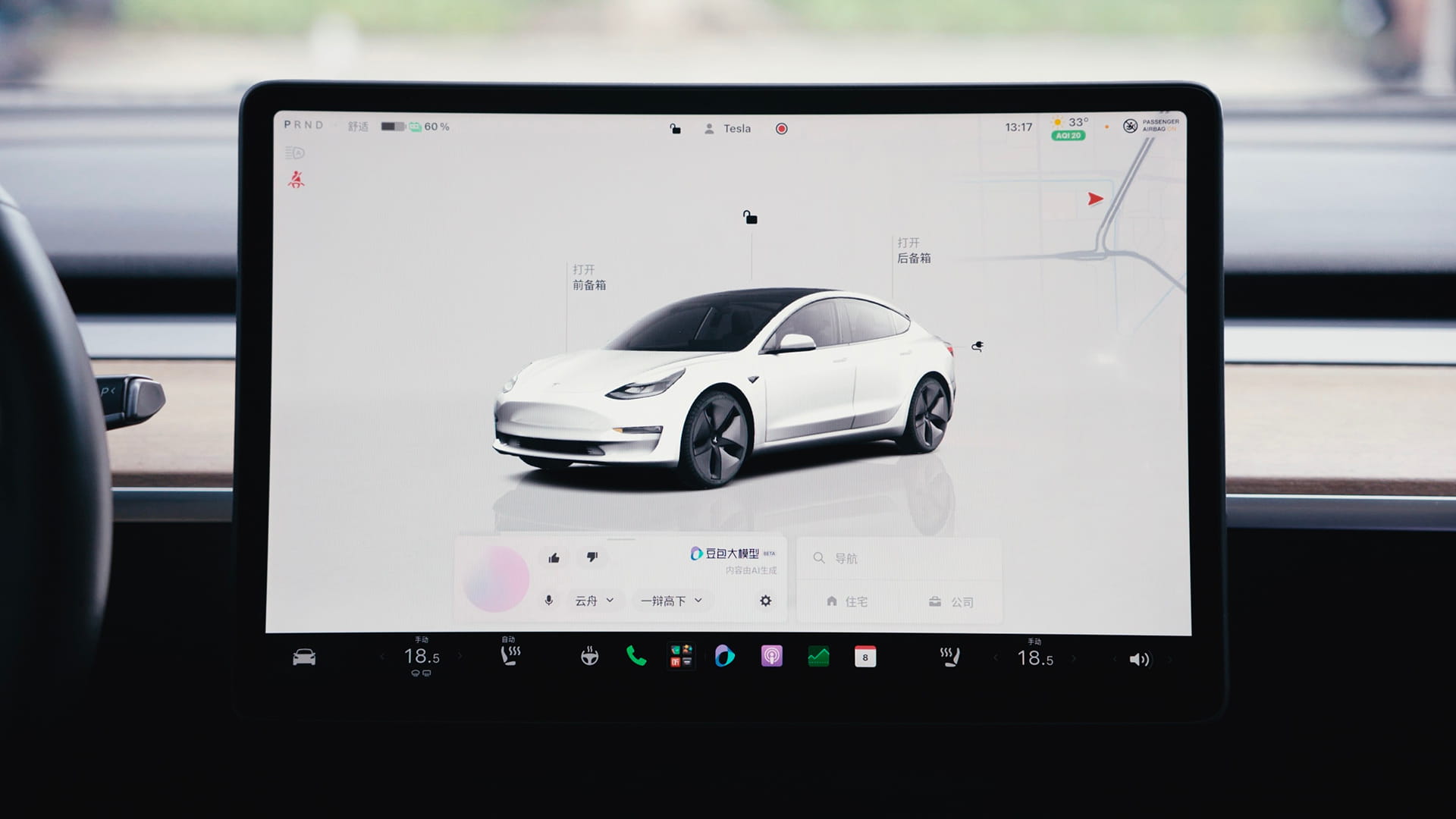
Teslarati reported that Tesla replaced the earlier driver-set maximum-speed control with five behavior profiles in FSD v14. Those profiles range from Sloth to Mad Max and affect speed as well as passing and lane-change behavior. The publication described complaints from owners who said the profiles can be too fast or too slow for a given road. Those reports are anecdotal and do not establish how often speed-selection errors occur across the fleet.
Learned preference versus explicit control
Elluswamy's statement frames speed choice as a preference-learning problem rather than a setting that should remain directly adjustable. That is a consequential product choice: a learned system can adapt behavior across situations, but a separate speed cap gives the supervising driver a clear constraint that does not depend on the model inferring intent.
The available evidence does not show how Tesla measures preference-learning accuracy, how quickly the system adapts, or whether a future interface will offer another form of explicit speed control. It also does not change the supervised status of the product. Teslarati notes that drivers remain responsible for intervening when FSD chooses an unsuitable speed.
For teams building safety-sensitive AI products, the practical issue is not whether learned preferences or manual controls are universally better. It is whether users can understand the active policy, predict how it will behave, and override it before a bad inference becomes an operational problem. Tesla's August 3 statement clarifies the direction of its design, while leaving those implementation and evaluation details unanswered.
Key Points
- 1Ashok Elluswamy called manual FSD max-speed control an anti-pattern and said Tesla is working on learning implied driver preferences.
- 2The statement did not announce a release date, a new safety capability, or a replacement control.
- 3Preference learning can adapt behavior, but safety-sensitive systems still need understandable policies and timely driver override paths.
Scoring Rationale
The statement clarifies the product direction of a widely deployed driver-assistance system, but it does not introduce a new release, performance result, or verified safety improvement.
Sources
Primary source and supporting public references used for this report.
Practice interview problems based on real data
1,625 SQL & Python problems across 15 industry datasets — the exact type of data you work with.
Try 250 free problems