Sonu Thukral Alleges AI-Edited 'Jugni' Clip in Police Complaint
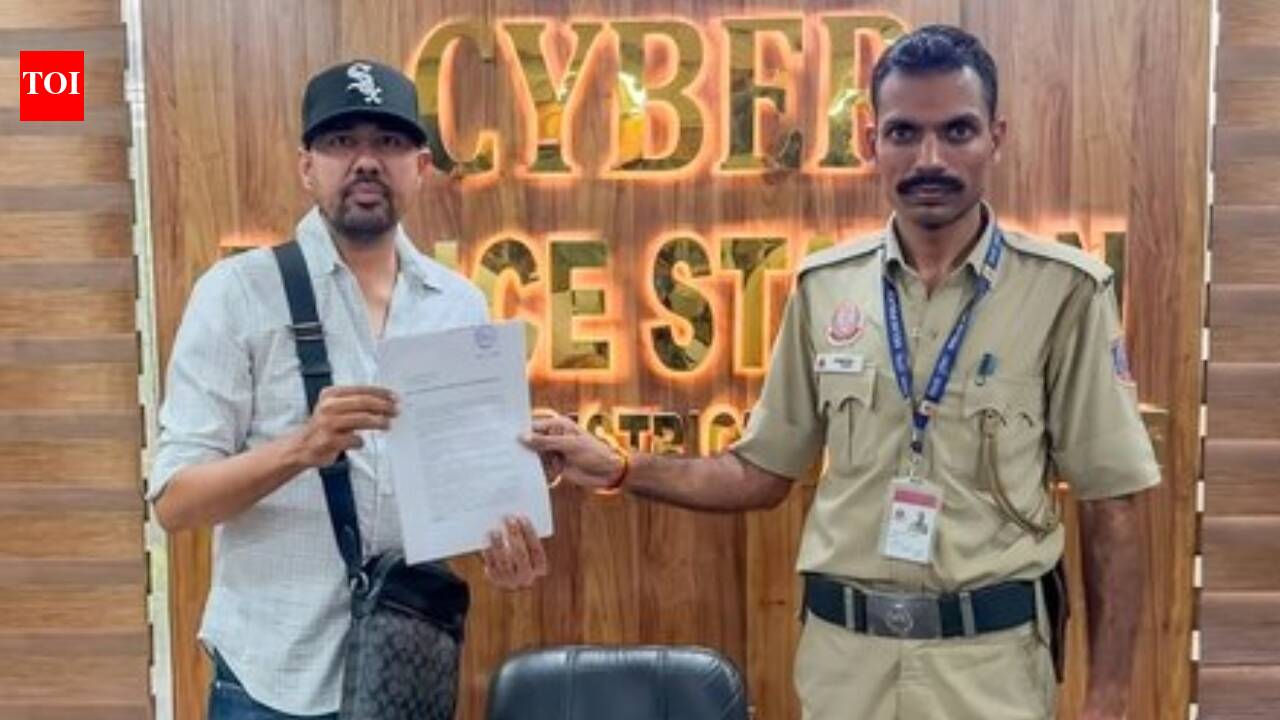
Singer Sonu Thukral said on August 1 that he had filed a police complaint over a circulating clip linked to the music video for "Jugni" and alleged that an AI-edited version was being shared further. IANS reported his statement and a video from a police cyber cell, but the available coverage provides no complaint document or forensic evidence establishing how the clip was altered.
Singer Sonu Thukral said on August 1 that he had filed a police complaint over a circulating clip linked to the music video for "Jugni," featuring Jacqueline Fernandez. IANS reported that Thukral posted a video from a police cyber cell and wrote that the clip had been edited using AI and that an AI-generated version was being circulated further.
The available reporting supports that Thukral made the allegation. It does not include the complaint document, identify the police station or legal provisions involved, or provide technical evidence establishing the origin or editing method of the circulating material.
What the reports establish
IANS reported that the official "Jugni" video was released on July 15 and drew criticism after viewers alleged a wardrobe malfunction in one scene. The outlet said the makers later blurred or removed the disputed sequence while versions continued to circulate online.
NewsBytes separately summarized Thukral's complaint and AI-manipulation claim. Its report also said an unblurred version had circulated before the version Thukral described as AI-edited. Neither retrieved report provides a link to the exact social post or an independently verified police record.
The track is performed by Thukral and B Praak, with music credited to MNLTX and Avvy Sra. IANS said Jacqueline Fernandez and the video's makers had not issued a statement at the time of its report.
The manipulation claim remains unverified
Thukral's statement is an allegation, not a forensic finding. The retrieved coverage does not establish whether the disputed material involved generative synthesis, compositing, enhancement, frame interpolation, or another editing technique. It also does not identify who created or distributed the version at issue.
For media and trust-and-safety teams, the narrow lesson is about provenance. When an official release, an earlier circulating copy, and an allegedly synthetic edit coexist, reliable assessment depends on source files, publication history, platform metadata, and independent forensic analysis. None of that evidence is available in the retrieved reports, so the editing method and provenance should remain described as unresolved.
Key Points
- 1Sonu Thukral said he filed a police complaint and alleged that an AI-edited version of a clip linked to "Jugni" was circulating.
- 2Retrieved reports document Thukral's statement but do not provide the complaint, forensic evidence, or a verified editing method.
- 3The origin, creator, distribution path, and technical provenance of the disputed clip remain unresolved.
Scoring Rationale
The reported complaint is relevant to synthetic-media misuse and provenance, but the evidence is limited to Thukral's attributed allegation and secondary coverage. No retrieved complaint document or forensic analysis establishes the editing technique, keeping the direct impact on AI and trust-and-safety practice limited.
Sources
Public references used for this report.
Practice interview problems based on real data
1,625 SQL & Python problems across 15 industry datasets — the exact type of data you work with.
Try 250 free problems