Roseville Review Finds High Flock Plate Alert Error Rate
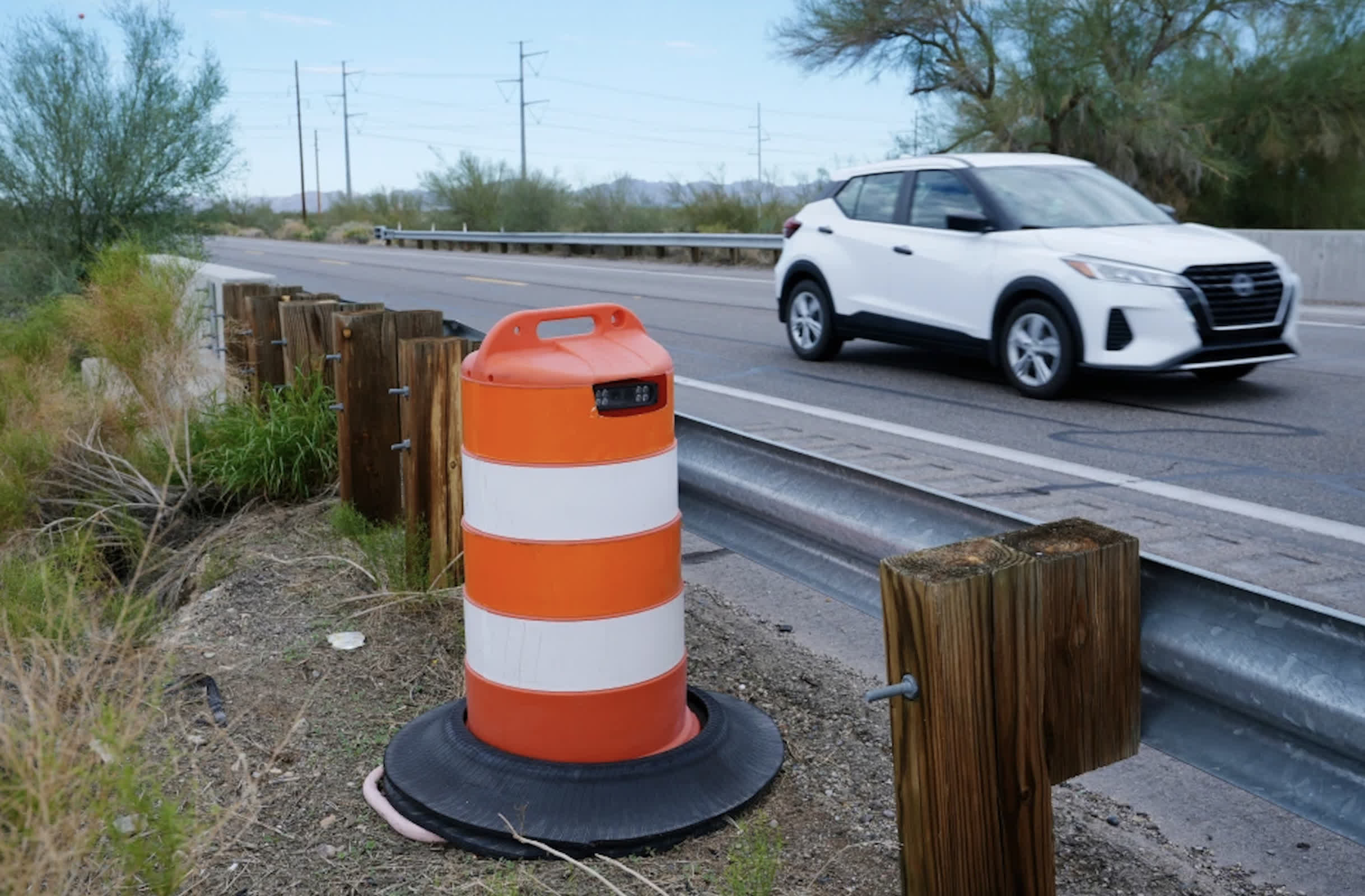
Roseville Police Department found that Flock Safety cameras misread license plates in 71% of 1,427 alerts during 2023 and 2024 involving vehicles flagged as stolen or linked to felonies. Flock attributed the errors to Roseville's atypical deployment, including older hardware and non-standard camera placement, while Roseville disputed Flock's assertion that performance had improved, according to reporting by Business Insider and Gizmodo.
Roseville Police Department found that Flock Safety's automated license plate reader system misread license plates in 71% of 1,427 alerts involving vehicles flagged as stolen or used in a felony during 2023 and 2024, according to public records reviewed by Business Insider. The alerts were generated as vehicles passed Flock cameras deployed in the Sacramento-area California city.
The records include a recurring example in which the system confused a "9" for an "8" on one motorist's plate. Business Insider reported that the resulting vehicle was flagged at least six times, and that the owner removed a plate cover after being contacted by police, but the error occurred again.
Flock states that its cameras read more than 96% of license-plate characters under optimal conditions, Business Insider reported. That character-level metric is not directly comparable with Roseville's alert-level review: an alert based on a single mistaken character can associate a passing vehicle with an incorrect stolen-vehicle or felony record.
Dispute over deployment and performance
A Flock spokesperson told Gizmodo that Roseville had a "particularly unique deployment" using older hardware and non-standard installation locations. The spokesperson attributed the lower performance to cameras being farther from vehicles and mounted higher than Flock typically recommends.
The spokesperson also told Gizmodo that Flock had confirmed with Roseville that camera performance had improved substantially after the period covered by the data. Gizmodo reported that Roseville Police Department disputed that characterization.
TechSpot reported that Roseville configured the cameras to capture vehicles from the rear in an effort to avoid recording drivers' faces. According to that report, Flock said this configuration reduces accuracy. The available reporting does not establish a quantified contribution from camera angle, mounting height, image quality, plate covers, or any other individual factor to Roseville's 71% error rate.
Why alert validation matters
Flock's system captures vehicle imagery and applies machine learning to identify plates and vehicle attributes such as color, make, and model, according to Business Insider. It then generates alerts when a read matches records associated with stolen vehicles or crimes. TechSpot reported that Flock processes about 20 billion vehicle scans per month and supplies cameras to roughly 6,000 US communities.
For public-safety AI systems, this case illustrates why evaluation must measure the operational unit that triggers human action, not only aggregate component accuracy. A character-recognition rate can remain high while a comparatively small number of ambiguous reads produce consequential false matches at scale. Comparable computer-vision deployments commonly require local validation across camera placement, lighting, motion blur, plate formats, and alert-review workflows before users treat automated matches as reliable investigative leads.
The reporting also leaves important audit questions unresolved, including how Roseville defined a misread, whether officers reviewed images before contacting vehicle owners, and how the false-alert rate varied by camera or environment. Those details determine whether an error pattern is localized to deployment conditions or reflects broader model and system-performance limits.
Key Points
- 1Roseville's review found more than 1,000 reported misreads among 1,427 crime-related alerts, making alert-level reliability the central issue.
- 2Flock attributed errors to Roseville's hardware and camera placement, but Roseville disputed reported claims of subsequent performance improvement.
- 3Comparable vision deployments show that component accuracy metrics can obscure false matches when automated outputs initiate operational alerts.
Scoring Rationale
The reported false-alert rate raises a material reliability and governance concern for automated vision systems used in law-enforcement workflows. It is a local deployment review rather than a broad benchmark, but it offers a concrete example of the gap between component accuracy claims and operational alert quality.
Sources
Public references used for this report.
Practice with real Ad Tech data
90 SQL & Python problems · 15 industry datasets
250 free problems · No credit card
See all Ad Tech problems