Samsung Details Galaxy AI's Multi-Model Approach
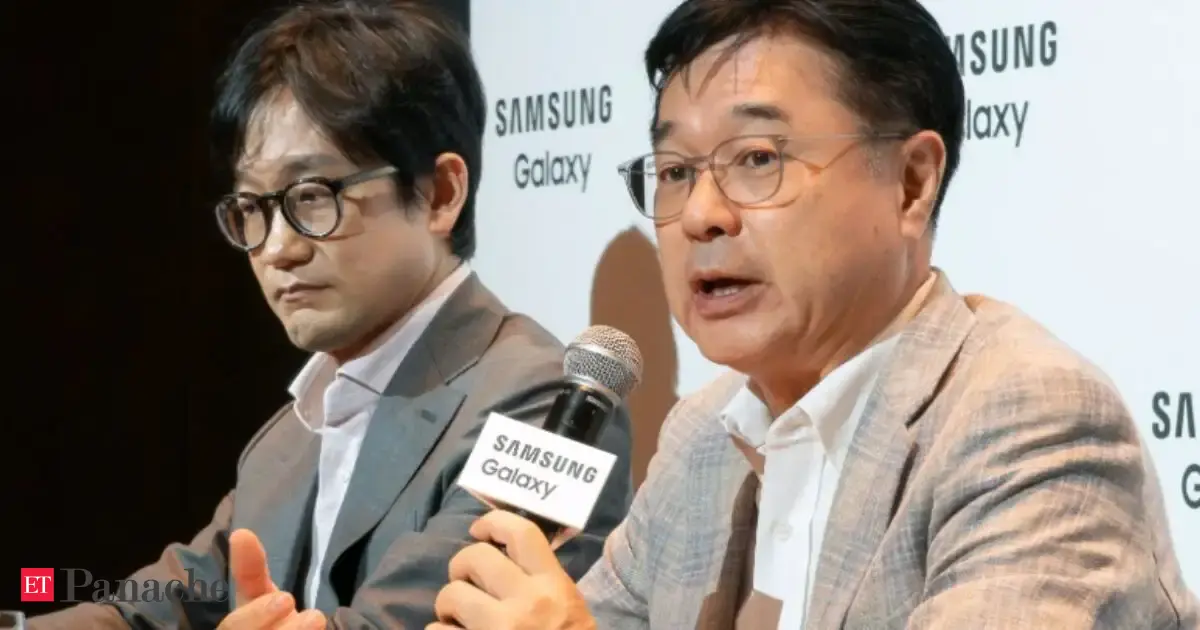
Samsung said on August 10 that it is preparing Galaxy AI for possible regional changes in access to major models such as Google Gemini. Jay Kim, head of Samsung MX's Customer Experience Office, said the company works with internal, open-weight, and frontier models, alongside regional partners, to reduce reliance on a single provider.
Samsung said it is preparing Galaxy AI for possible changes in regional access to major AI models, including Google Gemini, according to an August 10 report by The Economic Times. Jay Kim, corporate executive vice president and head of the Customer Experience Office in Samsung's MX Division, described a multi-model approach intended to avoid dependence on one provider across markets.
Speaking at a media roundtable, Kim said Samsung uses its own internal model, an open-weight model, and a frontier model. "We're actually working with all of our partners," Kim said, according to The Economic Times.
Kim also said Samsung works with local partners in different regions and manages models globally rather than concentrating only on the United States. The Economic Times reported that Samsung is considering how models can be integrated into devices based on the market, regulatory environment, and requirements in each region.
Regional access and model portability
The report arrives as governments pay closer attention to foundation-model development and deployment, while generative AI features have become a more prominent component of smartphone software. Samsung's reported approach treats model access as a variable that can differ by jurisdiction, rather than as a fixed dependency on one model provider.
Earlier reporting by Seoul Economic Daily, published March 9 and translated from Korean, similarly described Samsung as seeking broader partnerships with AI companies for Galaxy smartphones. That report attributed comments about expanding multi-AI collaboration to TM Roh, Samsung Electronics' president and head of the Device eXperience Division.
For mobile AI practitioners, a multi-model architecture generally raises concrete engineering questions around capability routing, evaluation consistency, data governance, latency, and feature parity across regions. Companies operating comparable systems commonly need model-agnostic application layers and region-specific validation, because a feature can produce materially different outputs or have different availability depending on its underlying model and deployment constraints.
Neither report provides technical details on Galaxy AI's model-selection logic, the specific open-weight or frontier models Samsung uses beyond the reference to Gemini, or how feature behavior differs between markets.
Key Points
- 1Samsung is preparing Galaxy AI for regional model-access changes, reducing reliance on any single foundation-model provider.
- 2Kim cited internal, open-weight, and frontier models, highlighting the range of model types involved in Galaxy AI.
- 3Comparable multi-model deployments require region-specific evaluation, governance, and feature-parity testing when model availability differs across jurisdictions.
Scoring Rationale
Samsung's reported multi-model approach matters because Galaxy AI is deployed across a large global device footprint and model access can vary by region. The reporting does not disclose implementation details, model-routing mechanisms, or new product features, limiting the immediate technical impact.
Sources
Public references used for this report.
Practice interview problems based on real data
1,625 SQL & Python problems across 15 industry datasets — the exact type of data you work with.
Try 250 free problems