S-Game Rejects Generative AI for Phantom Blade Zero
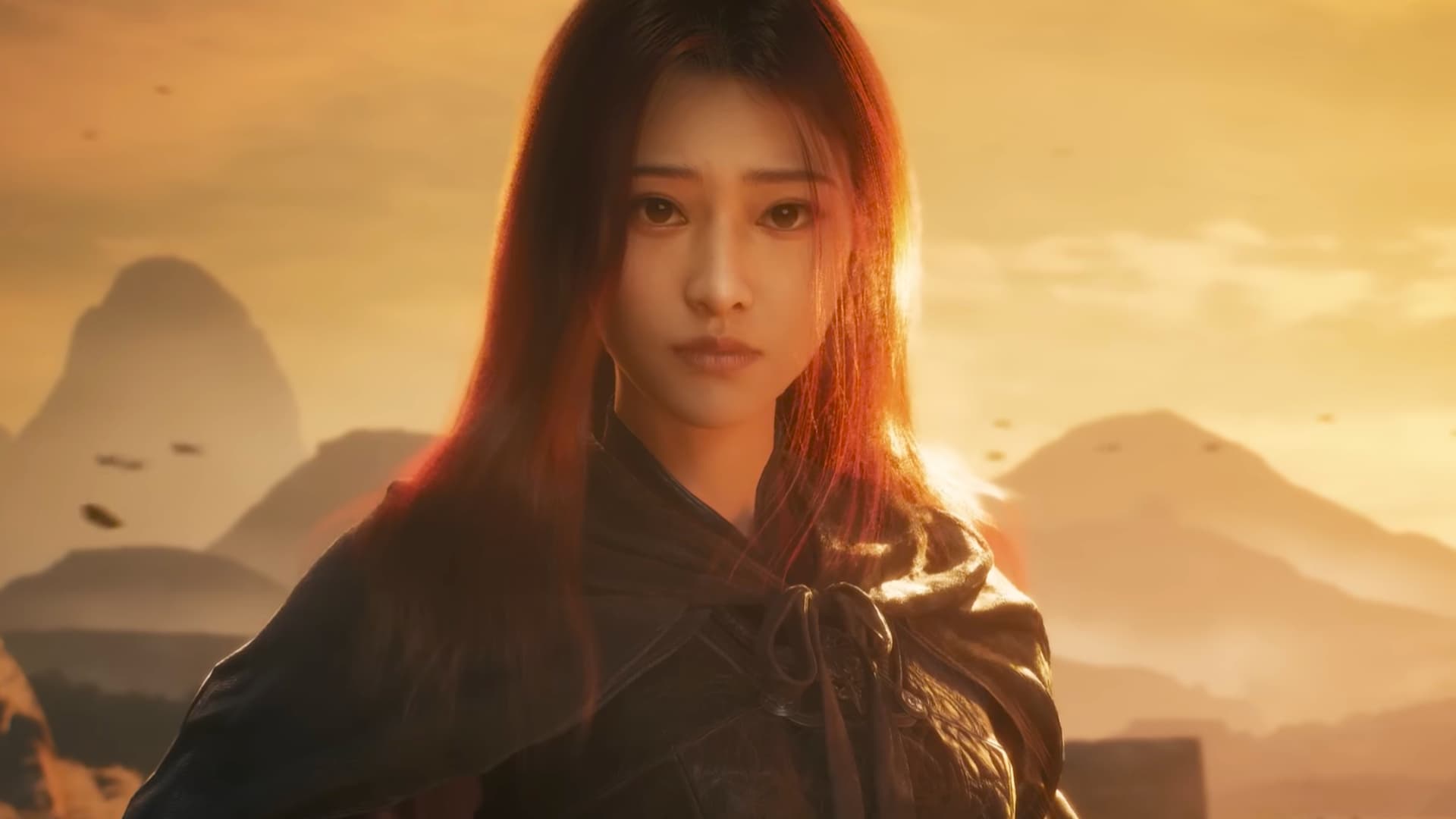
S-Game confirms that Phantom Blade Zero is being produced without any generative AI in its visual pipeline. The studio says every asset is handcrafted and motion-captured, stressing that human artists drive the game's value. The decision comes as major publishers such as Tencent and NetEase invest in AI tooling; S-Game explicitly rejects AI visual tech that could alter artists' intent. CEO 'Soulframe' emphasizes the team is in the final, intensive development phase and is prioritizing artisanal production over automation. For practitioners, this is a clear example of a creative studio prioritizing quality, provenance, and artistic control over the labor and cost advantages of generative AI.
What happened
S-Game confirmed on April 10 that Phantom Blade Zero is being developed without using any generative AI for its visual content; the studio says "every single piece of content in our game has been crafted by the hands of real artists." This is an explicit, public rejection of generative AI in the game's asset pipeline while many larger publishers pursue AI-driven production.
Technical details
The studio states that characters and combat animations are captured via motion capture with actors and martial arts professionals, and environmental and prop design are modelled on historical counterparts to preserve authenticity. S-Game's stance is operational: no AI visual tech will be used that could alter an artist's original creative intent. By contrast, regional publishers like Tencent (which operates the Hunyuan AI video creator) and NetEase are actively integrating AI into development workflows.
- •Motion capture for characters and combat choreography
- •Hand-crafted visual assets authored by in-house artists
- •Weapons and locations based on real-world historical references
- •Explicit prohibition on AI visual tools that modify artist intent
Context and significance
This decision sits at the intersection of tooling, IP provenance, and product differentiation. Major studios are treating generative AI as a force multiplier for asset creation, iteration, and live content, but S-Game is betting that artisanal production yields a distinct product identity and preserves creative control. For ML and tooling teams, the move highlights three persistent trade-offs: speed versus craft, reproducibility versus provenance, and the legal/ethical exposure tied to AI training data. For studios and platform teams building AI-assisted pipelines, S-Game’s stance signals demand for explicit provenance controls, opt-in pipelines, and tooling that preserves original artistic intent if AI is used.
What to watch
Whether this stance influences consumer perception and whether larger publishers respond with clearer provenance guarantees, hybrid workflows, or new tooling that allows artists to control AI assistance without eroding authorship.
Scoring Rationale
The story is relevant to practitioners because it highlights a concrete studio decision on AI tooling, touching on provenance, workflow design, and product differentiation. It's not industry-defining but is an instructive data point for studios and tooling teams.
Practice interview problems based on real data
1,500+ SQL & Python problems across 15 industry datasets — the exact type of data you work with.
Try 250 free problemsStep-by-step roadmaps from zero to job-ready — curated courses, salary data, and the exact learning order that gets you hired.