Pope Leo XIV Issues AI-Focused Encyclical Magnifica Humanitas
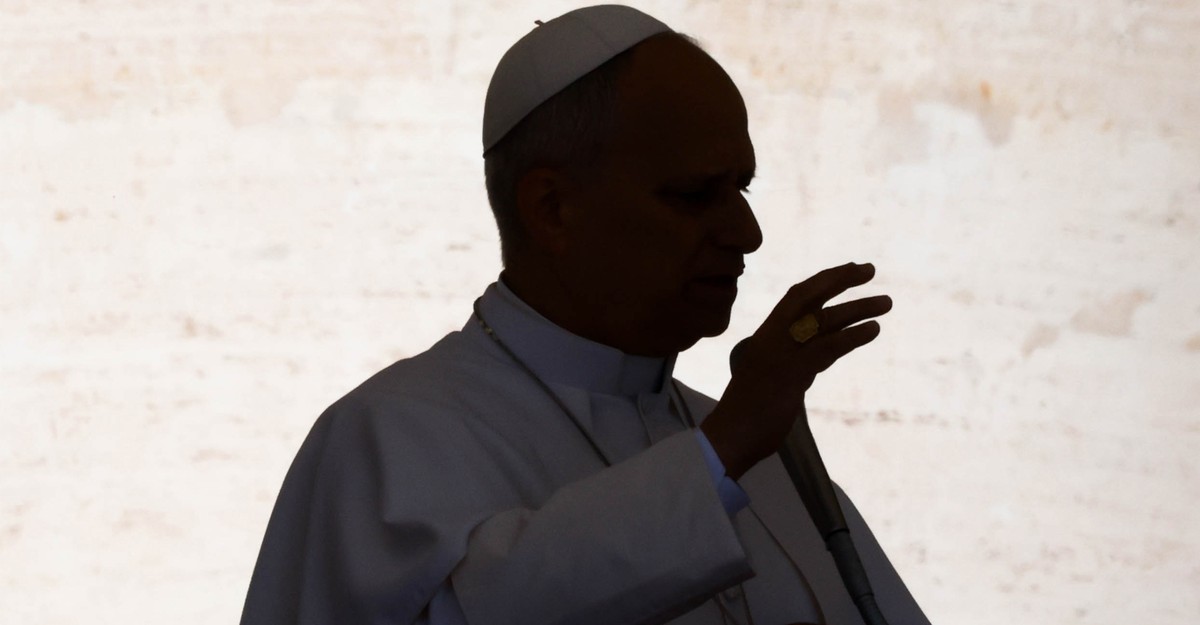
Per the Vatican text published on the Holy See website, Pope Leo XIV released an encyclical titled Magnifica Humanitas: On Safeguarding the Human Person in the Time of Artificial Intelligence (signed May 15; published May 25). The 42,300-word document addresses the social, moral, environmental, and economic effects of AI and calls for stronger regulatory tools, warning that AI "must be disarmed" and should not be allowed to "dominate humanity" (quoted in the encyclical; reported by The Atlantic and PBS). Major outlets including The New York Times, Time, The Washington Post, and NPR covered the papal text and its implications for Big Tech, labor, and international affairs. Industry observers will treat the encyclical as a high-profile moral intervention likely to amplify public and political pressure around AI governance rather than a direct regulatory blueprint.
What happened
Per the text posted on the Holy See website, Pope Leo XIV issued an encyclical titled Magnifica Humanitas: On Safeguarding the Human Person in the Time of Artificial Intelligence (signed May 15; published May 25). Time reports the document runs about 42,300 words and was presented at the Vatican in a session that included Christopher Olah of Anthropic, a detail covered by Time. The encyclical addresses a broad set of concerns: the concentration of technological power, threats to the dignity of work, distortions in public discourse, environmental impact from AI's energy-intensive infrastructure, and the risks of military uses of autonomous systems. The Vatican text contains passages that the press has highlighted word-for-word, including language that AI "must be disarmed" and must not be allowed to "dominate humanity" (quoted in the encyclical; reported by The Atlantic and PBS). Major outlets including The New York Times and The Washington Post framed the encyclical as a public admonition toward Big Tech and a moral intervention into ongoing policy debates.
Technical details
Editorial analysis - technical context
The encyclical does not propose technical standards or model-level specifications. Instead, it situates AI within Catholic social teaching and calls for ethical, regulatory, and sustainability frameworks, per Vatican News and the published text. Reporting across outlets notes the document's emphasis on systemic effects - workforce displacement, energy use, and governance gaps - rather than algorithmic micro-details such as architectures, training data provenance, or specific model capabilities.
Context and significance
Moral authorities and religious leaders occasionally shift public framing for emerging technologies, and observers covering the encyclical note that a papal statement carries unique transnational moral weight (reported by The New York Times and The Atlantic). For policy debates already energized by legislative proposals and civil-society campaigns, the encyclical adds a high-profile normative voice that could influence public opinion, political discourse, and the priorities emphasized by advocacy coalitions. News coverage highlights the Vatican's attempt to connect long-standing Catholic social doctrine with contemporary digital-capital concerns (Vatican News, Time).
For practitioners
What to watch
Observers will track:
- •whether national or regional policymakers cite the encyclical in hearings or legislative proposals
- •official responses or statements from major technology firms and industry groups
- •follow-up engagement between Vatican offices and AI companies or research institutions
- •whether civil-society and labor organizations amplify the encyclical's rhetoric into concrete campaigns. Reporting to date documents the Vatican presentation and extensive media coverage but does not record a single unified policy outcome tied directly to the document (The New York Times, Time, Vatican News)
Bottom line
Editorial analysis
Engineering teams, product managers, and policy leads commonly encounter increased scrutiny when prominent public figures reframe technology as a social or moral hazard. Practitioners should view this encyclical as another input shaping stakeholder expectations around transparency, labor impacts, environmental footprint, and the governance of powerful models. The encyclical's placement of AI within broader social and ecological concerns aligns with trends in interdisciplinary governance reporting (Washington Post, NPR).
Magnifica Humanitas is a high-visibility moral intervention that reframes AI risks in terms of human dignity, common good, and ecological stewardship. It is not, per the published text and news coverage, a technical manual for governance, but it is likely to shape public and political conversation in ways that matter to regulators, corporate policy teams, and civil-society actors.
Key Points
- 1High-visibility moral voice: The encyclical reframes AI risks in terms of human dignity, amplifying public debate and political attention.
- 2Policy pressure, not technical specs: The document calls for regulation and sustainability but does not prescribe model-level technical standards.
- 3Practitioner implications: Engineers and policy teams should expect heightened scrutiny on transparency, labor impacts, and energy footprint.
Scoring Rationale
A papal encyclical is a high-profile moral intervention that can shift public and political attention around AI governance. It lacks technical prescriptions, so its direct operational impact on models is limited, but its potential to catalyze policy and advocacy activity makes it relevant for practitioners.
Sources
Public references used for this report.
View 11 more sources
- Pope elevates AI ethics to a religious imperative with first encyclicalwashingtonpost.com
- Pope Leo Uses First Major Papal Text to Warn About Dangers of AItime.com
- Pope Leo warns of AI fueling warfare in first major theological documentcnn.com
- 'Disarm AI': Pope Leo Calls Out Big Tech's All-Consuming Obsessioncnet.com
- Why the Pope's Encyclical on AI Could Change the Tech Industryhollywoodreporter.com
- Pope calls for robust regulation of AI in manifesto that ponders ... - PBSpbs.org
- Pope Leo takes aim at big tech in sweeping encyclical on AI - NPRnpr.org
- Pope Leo calls to 'disarm' AI in major document, warns of technologic threats to humanityncronline.org
- The pope takes on AIvox.com
- Pope Leo and the ‘Babel Syndrome’commonwealmagazine.org
- Pope Leo takes aim at big tech in sweeping encyclical on AIhawaiipublicradio.org
Practice interview problems based on real data
1,625 SQL & Python problems across 15 industry datasets — the exact type of data you work with.
Try 250 free problems