Google Pixel Now Playing Adds Browsable Song History
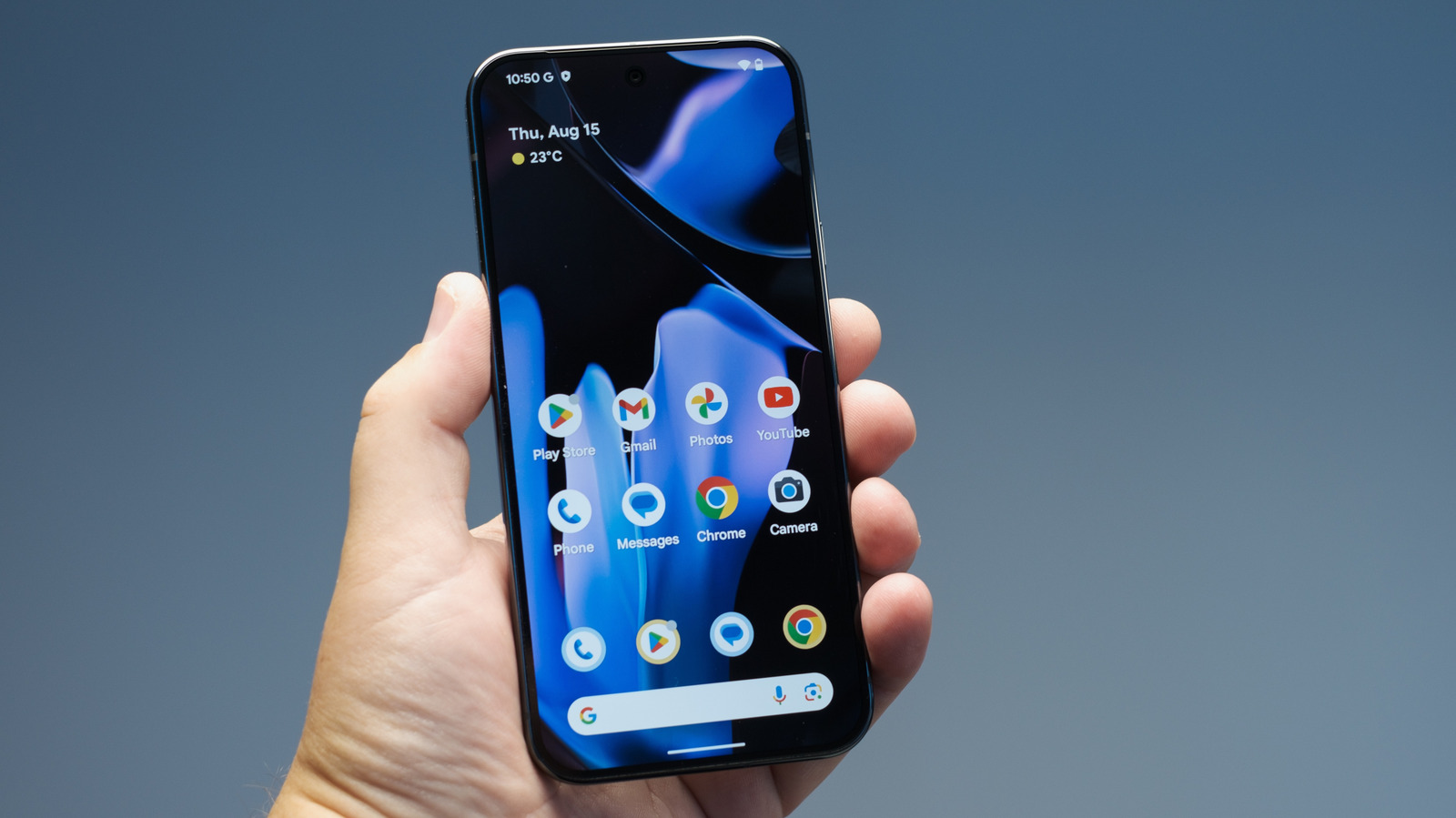
BGR reports that Google turned the Pixel "Now Playing" feature into a standalone app that lets users browse previously identified tracks. The app, rolled out as part of the March 2026 Pixel Drop, must be downloaded from the Play Store and supports playing identified songs on connected streaming services, BGR reports. According to BGR, Now Playing performs identification entirely on-device by creating tiny audio fingerprints and comparing them to a local database, and the app requires a Pixel 6 or later to run. BGR also compares the experience to Shazam, noting the standalone app shows a chrono logical history of identified tracks.
What happened
BGR reports that Google converted the Pixel Now Playing feature into a standalone app that shows a browsable history of songs the phone has identified. The company rolled the app out as part of the March 2026 Pixel Drop, and BGR says users must download the optional app from the Play Store to view history, save favorites, and remove items. BGR reports the app can link to streaming services so identified tracks can be played on Spotify, YouTube, Apple Music, or other services. BGR also reports the app requires a Pixel 6 or later.
Technical details
Per BGR, Now Playing does its work entirely on-device: a machine-learning routine creates a compact audio fingerprint and compares it to a localized database of thousands of songs. BGR reports that the local database is regularly updated to include new tracks and that identification works without an internet connection or sending audio to Google servers. BGR frames the user experience as similar to the Shazam standalone app but emphasizes the on-device, background identification and chronological history view.
Editorial analysis
Industry context: Companies building music-identification features are increasingly moving recognition to the device to reduce network dependency and limit audio telemetry. This pattern trades server-side matching and telemetry for local storage and update logistics: teams must design compact fingerprints, periodic database distribution, and efficient on-device matching while balancing storage and update frequency. For privacy-oriented products, on-device matching is a recurring design choice because it minimizes sensitive data leaving the handset.
Implications for practitioners: Mobile ML engineers should note three recurring engineering considerations: efficient indexing and matching at low CPU/power cost, secure and bandwidth-efficient mechanisms for updating local song databases, and clear UX affordances for opt-in, history management, and linking to third-party streaming services. Product and privacy teams will face questions about local retention periods and how syncs to external services are presented to users; those are design and policy decisions rather than technical inevitabilities.
What to watch
- •Whether Google expands device support beyond Pixel 6 and later in subsequent updates.
- •How Google delivers and signs updates to the local song database to keep identifications current without large downloads.
- •App UX changes related to favorites, history pruning, and user controls, items 9to5Google previously highlighted when the Favorites tab changed.
- •Any third-party research into extracting or parsing local Now Playing history, which would affect forensic and privacy assessments.
Key Points
- 1On-device music recognition reduces server telemetry and supports offline identification, but shifts complexity to local database distribution and device resource use.
- 2Turning identification into a standalone, linkable history increases user utility by turning passive matches into playable items across streaming services.
- 3Practitioners should monitor local storage, update cadence, and retention controls because they drive privacy trade-offs and operational overhead for on-device features.
Scoring Rationale
This is a product update demonstrating practical on-device ML and privacy trade-offs that matter to mobile ML engineers and product teams, but it is not a frontier-model or infrastructure milestone.
Sources
Public references used for this report.
Practice interview problems based on real data
1,625 SQL & Python problems across 15 industry datasets — the exact type of data you work with.
Try 250 free problems