Physical AI Expands to Fill Shrinking Workforce Gaps
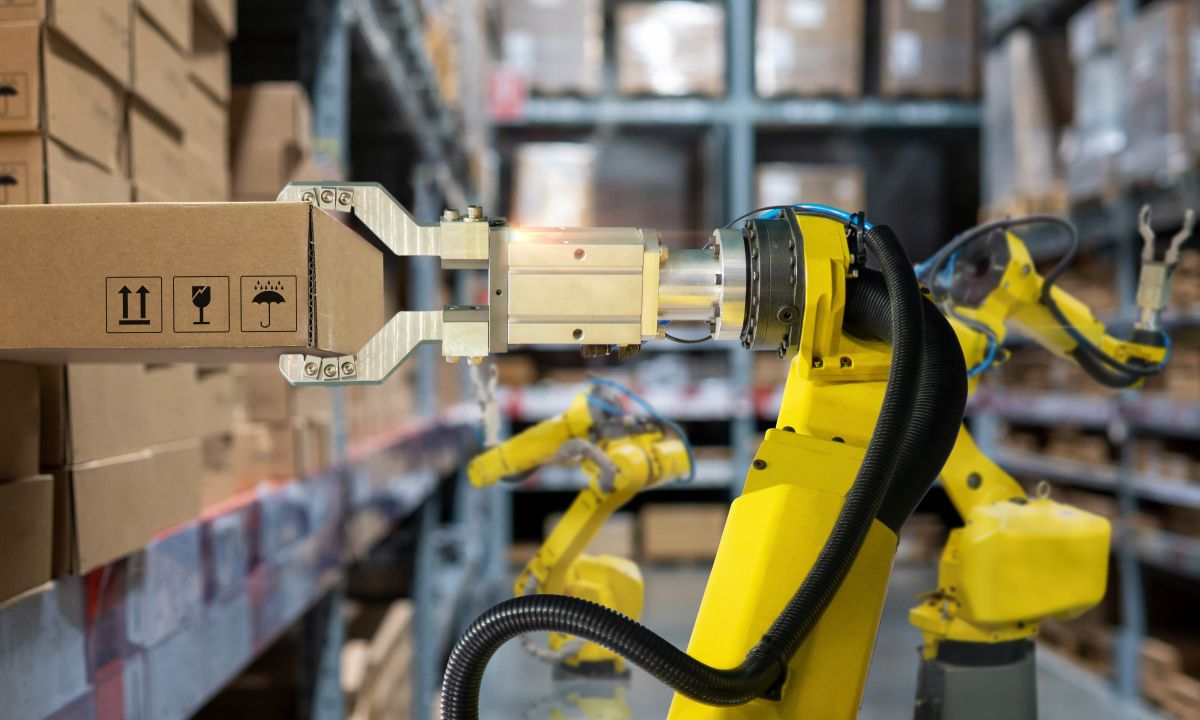
PYMNTS reports that companies across manufacturing, logistics and construction are increasingly deploying physical, AI-powered robots to cope with persistent labor shortages. PYMNTS cites a Manufacturing Institute figure that U.S. manufacturers are projected to leave 2.1 million jobs unfilled by 2030, and it references ManpowerGroup's 2026 Talent Shortage Survey showing 72% of employers globally report difficulty hiring. Examples cited include Agility Robotics' Digit, which PYMNTS reports moved over 100,000 totes in live operations, and Figure AI robots that, per Manufacturing Dive as quoted by PYMNTS, ran 10-hour shifts at BMW processing more than 90,000 sheet-metal cycles. PYMNTS also cites TechCrunch reporting on Japan's demographic decline and a Global Brain partner quoted saying, "Physical AI is being bought as a continuity tool: how do you keep factories, warehouses, infrastructure and service operations running with fewer people?"
What happened
PYMNTS reports that industrial and service firms are increasing deployments of physical, AI-enabled robots as labor pools tighten. PYMNTS cites the Manufacturing Institute projection that U.S. manufacturers could leave 2.1 million jobs unfilled by 2030. PYMNTS also references the ManpowerGroup 2026 Talent Shortage Survey, which found 72% of employers globally reporting difficulty hiring. Reported deployment examples in PYMNTS include Agility Robotics' Digit moving over 100,000 totes in live commerce operations and Figure AI robots running 10-hour shifts at BMW that processed more than 90,000 sheet-metal parts, as reported by Manufacturing Dive and relayed by PYMNTS. PYMNTS cites TechCrunch reporting on Japan's population decline and quotes a Global Brain general partner: "Physical AI is being bought as a continuity tool: how do you keep factories, warehouses, infrastructure and service operations running with fewer people?"
Editorial analysis - technical context
Companies moving from pilots to sustained, shift-length robot operation typically face engineering work on perception, reliability, and human-robot safety systems. Industry experience shows that hardware capability alone is insufficient; integration layers such as task scheduling, fleet teleoperation, predictive maintenance, and site-specific perception models are decisive for uptime and throughput. For many operations, the shift from manual labor to robotic operators increases demand for software-defined orchestration and on-site robotics maintenance skills rather than simply replacing headcount.
Industry context
Labor-driven adoption of physical AI tends to concentrate where demographic or market forces create chronic hiring gaps. Observed deployments in warehousing, assembly, and repetitive material handling reflect tasks with well-defined kinematics and repeatable environments, which are currently the most commercially tractable for humanoid and mobile-manipulator systems. Japan's demographic pressures, as reported by TechCrunch and cited in PYMNTS, illustrate a national-scale demand signal for continuity-focused automation.
What to watch
Indicators that will matter to practitioners include:
- •published uptime and throughput metrics for shift-long robotic deployments versus human benchmarks;
- •total cost of ownership including spare parts and service contracts; and
- •emergent safety and regulatory guidance affecting mixed human-robot workplaces. Industry observers will also track whether deployments expand beyond highly repetitive tasks into more variable assembly and service roles.
Key Points
- 1Industry pattern: Physical AI adoption rises where structural labor shortages exist, moving spending from hiring to automation integration and ops.
- 2Technical takeaway: Sustained, shift-length robot use increases demands for perception, safety engineering, orchestration, and maintenance expertise.
- 3What practitioners should monitor: uptime, total cost of ownership, spare-parts supply chains, and regulatory guidance for mixed human-robot workplaces.
Scoring Rationale
Solid industry-trend roundup documenting real production deployments of physical AI at BMW, GXO, and others driven by structural labor shortages. The story aggregates existing data rather than reporting a new development, and the cited deployments are already well-documented elsewhere; appropriate at the upper end of the 'solid' tier rather than 'notable'.
Sources
Public references used for this report.
Practice interview problems based on real data
1,625 SQL & Python problems across 15 industry datasets — the exact type of data you work with.
Try 250 free problems