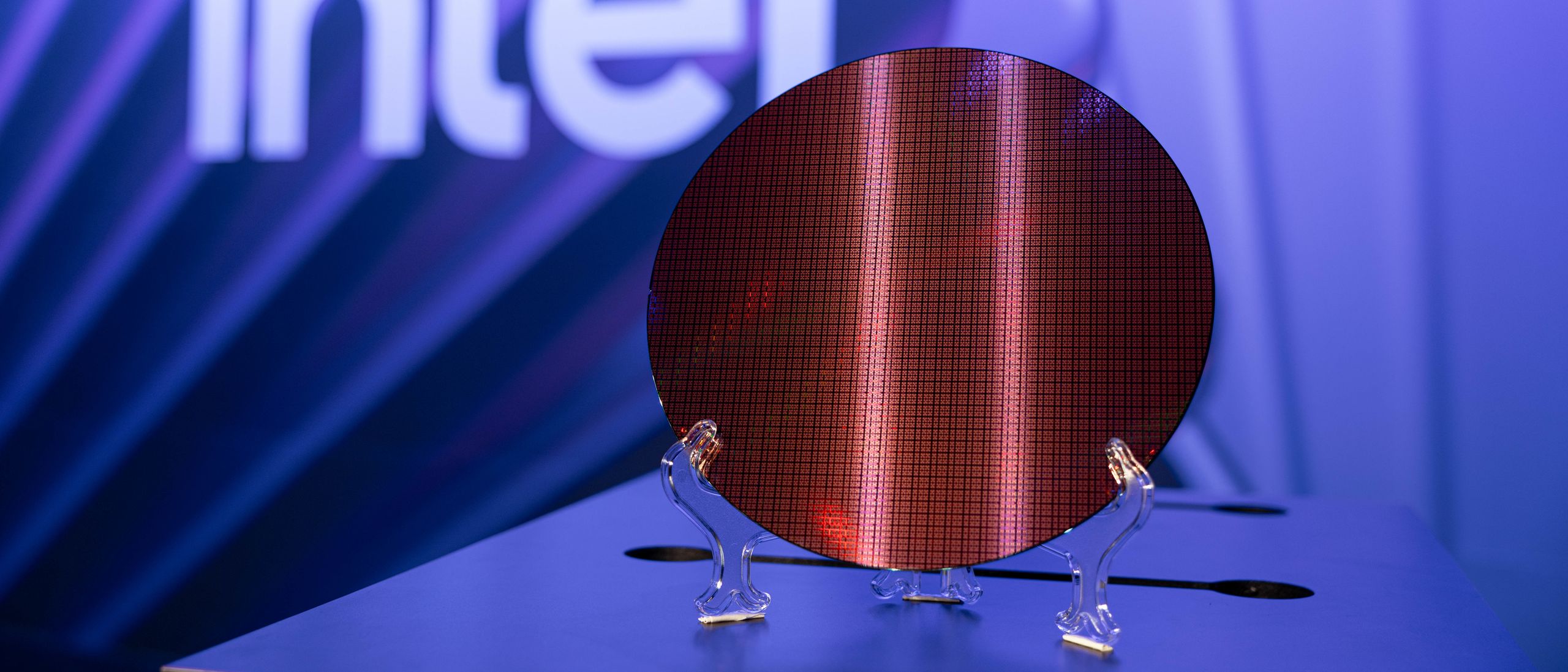
Nvidia unveils liquid-cooled AI data center design

Per NVIDIA's blog post, the company presented the Rubin reference design, a fully liquid-cooled AI infrastructure that achieves 100% liquid cooling and "zero water consumption" through a closed-loop coolant system (NVIDIA blog). NVIDIA states the coolant can operate at 45 degrees C (113 degrees F) and that the design removes the need for evaporative water cooling except in rare climates, a claim quoted from Ali Heydari, director of data center cooling and infrastructure at NVIDIA (NVIDIA blog; Fortune). Axios reports Josh Parker, NVIDIA's chief sustainability officer, saying "The water consumption challenge for data centers is largely solved" ahead of London Climate Week (Axios). Press coverage notes this design could materially reduce cooling-related water and energy use, but real-world impact will depend on deployment scale, build cost, and site-specific conditions (Fortune; Gizmodo; Axios).
What happened
Per NVIDIA's June 21 blog post, the Rubin generation reference design is a fully liquid-cooled AI infrastructure that cools every chip and networking component in closed liquid loops and eliminates fans (NVIDIA blog). The blog quotes Ali Heydari, NVIDIA's director of data center cooling and infrastructure: "The NVIDIA DSX reference design for AI factories has zero water consumption - we have eliminated massive amounts of power usage and pretty much all water usage" (NVIDIA blog). NVIDIA describes the coolant as a recirculated mixture of water and propylene glycol and states the loops can operate at up to 45 degrees C (113 degrees F), which it says allows dry-cooler, chiller-less operation in many climates (NVIDIA blog; Fortune; Axios).
Technical details
Closed-loop liquid cooling captures heat at the chip and transports it via liquid at higher temperatures, which raises radiator and ambient return temperatures and reduces chiller workload - the mechanism NVIDIA cites for energy and water savings (NVIDIA blog). Industry reporting notes the coolant composition (roughly three-quarters water plus one-quarter propylene glycol) and the claimed operating temperature as the enabling factors for using dry coolers rather than evaporative chillers in favorable climates (Fortune; Gizmodo; Axios). Gizmodo referenced a slightly different upper-temperature figure (115 degrees F vs. 113 degrees F per NVIDIA and Axios); the reported variance should be resolved from vendor specifications when planning deployments (NVIDIA blog; Gizmodo; Axios).
Context and significance
Reporting places NVIDIA's announcement amid growing scrutiny of data center water use, with local communities and regulators raising concerns about water stress in regions hosting hyperscale facilities (Fortune; Axios). Axios frames the claim as high-stakes given NVIDIA's central role in supplying AI compute; Microsoft engineering leadership cited in Axios described broader industry interest in higher heat tolerance for reducing chiller dependence. Multiple outlets caution that claimed water and energy reductions depend on site climate, existing cooling architecture, and capital costs for retrofits or new builds (Fortune; Gizmodo; Axios). Data Center Dynamics reported that HVAC sector stocks sold off following NVIDIA's cooling announcement.
What to watch
Observers should track three measurable indicators as Rubin deployments scale: real-world cooling energy reductions and PUE (power usage effectiveness) reported by cloud operators adopting the design; changes in water withdrawals and evaporative cooling usage at operating sites; and capital and operating cost comparisons versus air-cooled and hybrid designs reported by data center operators. Reporting to date quotes company statements and industry reactions but does not provide third-party field measurements from large-scale Rubin deployments (NVIDIA blog; Axios; Fortune; Gizmodo).
Key Points
- 1NVIDIA's Rubin reference design uses closed-loop liquid cooling at 45 degrees C to cool every chip and eliminate evaporative water use, per NVIDIA blog.
- 2Higher coolant operating temperature is the technical lever cited to reduce reliance on chillers and water-intensive cooling systems.
- 3Industry context: measurable impact depends on deployment scale, local climate, retrofit costs, and independent field data not yet available.
Scoring Rationale
NVIDIA's fully liquid-cooled Rubin reference design addresses a major AI infrastructure pain point - data center water and energy consumption - with a technically significant approach (45 degrees C closed-loop coolant, chiller-free operation). Well-corroborated by multiple outlets. Impact is notable for infrastructure practitioners but pending independent field validation.
Sources
Primary source and supporting public references used for this report.
View 5 more sources
- Nvidia says its new data center design will fix AI's water problemfortune.com
- Nvidia says AI's water challenge is largely solvedaxios.com
- Nvidia Touts '100% Reduction in Water Use' With New Data Center Designgizmodo.com
- Vera Rubin hot water cooling reveal triggers HVAC share dropdatacenterdynamics.com
- Nvidia Says AI Data Centers Use Less Water Than Many Believe; Elon Musk Reactsbenzinga.com
Practice interview problems based on real data
1,625 SQL & Python problems across 15 industry datasets — the exact type of data you work with.
Try 250 free problems