Nvidia A100 Prices Surge on China Black Market
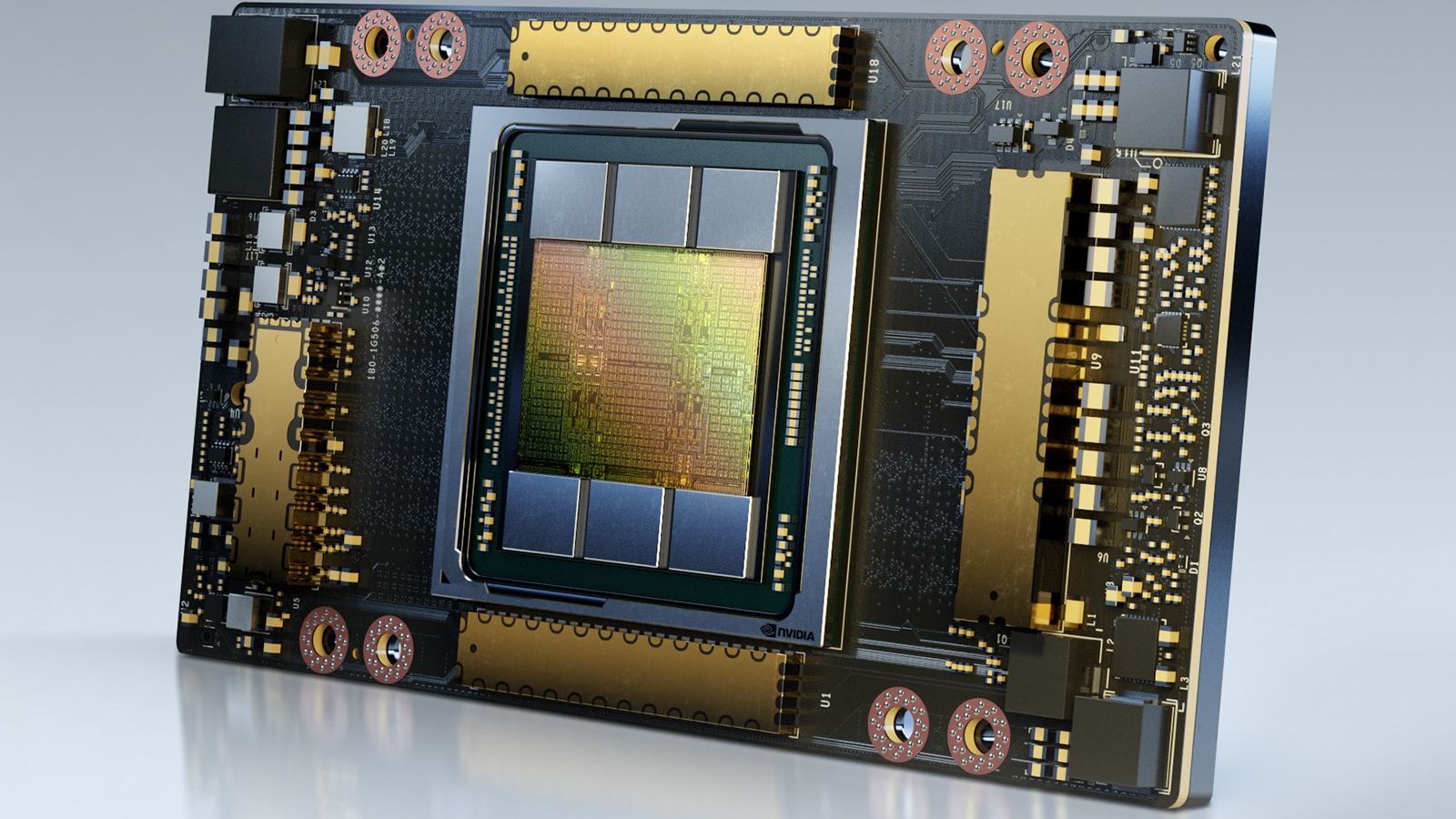
The Financial Times reports, citing multiple Chinese chip traders, that prices for older Nvidia datacenter hardware have jumped sharply on China's black market. Buyers in China are paying as much as 600,000 Chinese Yuan (about $82,000) for servers built around Nvidia's A100 accelerator, a roughly threefold increase from about 200,000 CNY since late last year, the FT reports. The same coverage finds the DGX B300 fetching north of 8 million CNY (about $1.1 million) and workstation cards such as the RTX 6000 Pro climbing from roughly 50,000 CNY to as much as 130,000 CNY, per chip traders. The Financial Times attributes the spike to a concurrent U.S. smuggling crackdown and strong demand from Chinese AI firms, with traders noting limited conventional import channels.
What happened
The Financial Times, citing multiple Chinese chip traders, reports that resale prices for older Nvidia datacenter hardware have jumped sharply on China's black market. Buyers are paying as much as 600,000 Chinese Yuan (about $82,000) for servers built around Nvidia's A100 accelerator, up from roughly 200,000 CNY since late last year, with traders saying the A100 price has roughly tripled. The report also cites chip traders saying Nvidia's DGX B300 systems now trade above 8 million CNY (about $1.1 million), up from 4 million CNY, and that workstation cards such as the RTX 6000 Pro have risen from about 50,000 CNY to as much as 130,000 CNY. Over $1 billion of restricted AI processors were reportedly funneled into China in just three months, per the Financial Times.
Technical details
Editorial analysis - technical context
Older-generation datacenter GPUs such as the A100 remain functionally useful for many inference and training workloads, especially where extreme context windows or the latest FLOP-to-dollar efficiency are not required. Industry observers note that repurposing high-end consumer and workstation GPUs for server inference requires physical modification, firmware workarounds, and attention to cooling and reliability tradeoffs; the Financial Times reports that traders are also modifying gaming GPUs for AI workloads to meet demand.
Industry context
What to watch
Editorial analysis
Public reporting frames the price moves as driven by supply constraints rather than purely by demand for new flagship models. The Financial Times links the spike to tightening U.S. export controls and a surge in enforcement activity. Comparable episodes in semiconductor markets historically produce rapid secondary-market inflation when primary channels contract, increasing incentives for gray-market trading and hardware modification.
Observers should track merchant listings and rental rates inside China, customs enforcement notices from Chinese authorities, and follow-up Financial Times or local reporting for clearer breakdowns of volumes and buyer types. If conventional import channels reopen or enforcement changes, secondary-market premiums should ease; conversely, tighter controls would likely sustain elevated black-market prices.
Reported limitations
The Financial Times attributes the pricing figures and causal linkage to unnamed Chinese chip traders. The companies named in the hardware descriptions have not issued statements in the FT story, and the article does not provide primary data on transaction volumes or buyer identities.
Key Points
- 1Secondary-market prices for older Nvidia hardware have surged, reflecting acute supply constraints reported by Tom's Hardware and the FT.
- 2Industry patterns show that import restrictions and enforcement spikes tend to push buyers toward repurposed consumer GPUs and modified hardware.
- 3Practitioners should monitor rental rates, customs notices, and secondary-market listings to judge short-term availability and cost of GPU capacity.
Scoring Rationale
The FT investigation documents acute, real-world supply pressure on widely used datacenter GPUs - A100 prices tripling and DGX B300s doubling as US export controls tighten. Directly affects procurement, cost modeling, and infrastructure planning for AI teams. Tom's Hardware and Reuters/Yahoo Finance corroborate the FT reporting across multiple hardware lines.
Sources
Public references used for this report.
Practice interview problems based on real data
1,625 SQL & Python problems across 15 industry datasets — the exact type of data you work with.
Try 250 free problems