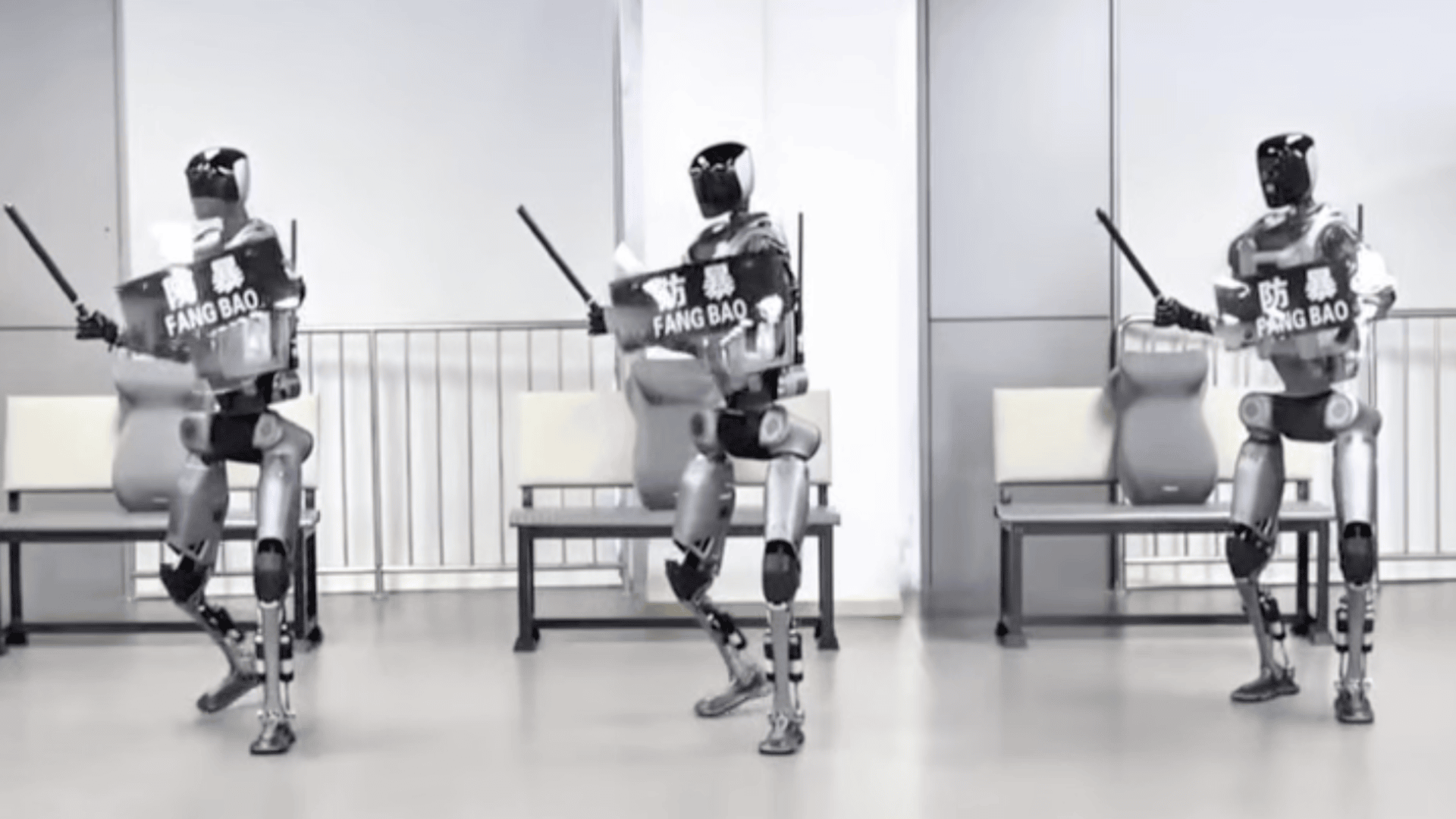
Northwestern Evolves Indestructible Modular Legged Robots
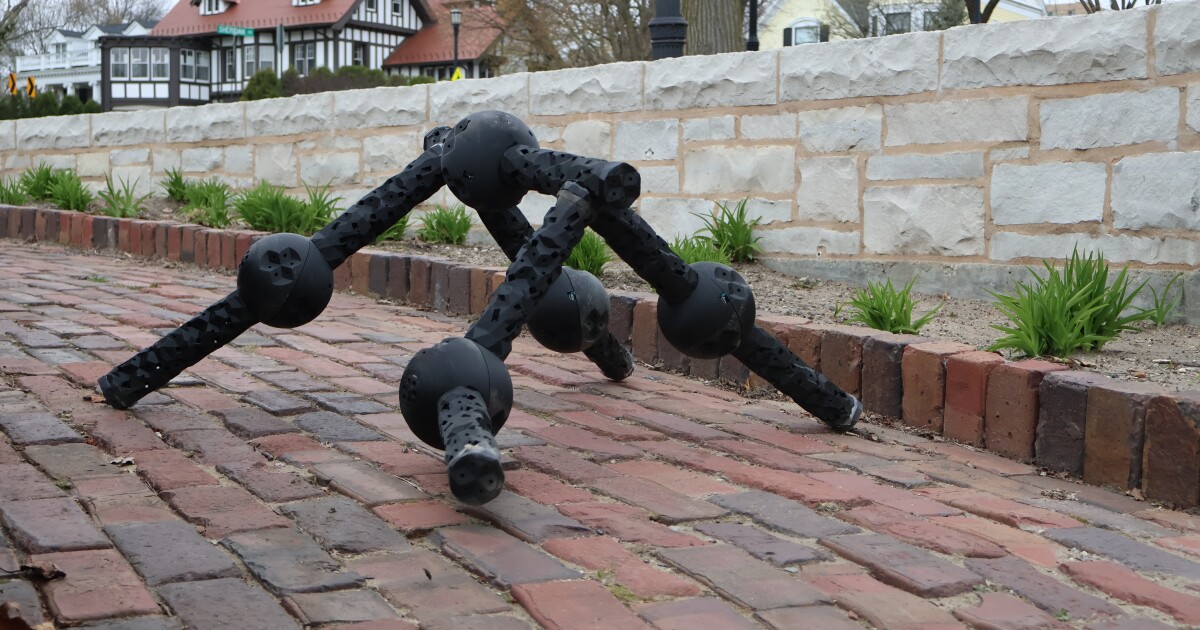
Northwestern University researchers report in Proceedings of the National Academy of Sciences that they used AI-driven simulated evolution to create a 'legged metamachine,' a modular robot assembled from battery-powered modules. The machine adapts its configuration, continues locomotion after module loss, and traversed grass, gravel, and mud in outdoor tests. The proof-of-concept lacks external sensors and remains slow, highlighting research-stage status and implications for adaptive, fault-tolerant robot design.
Key Points
- 1Evolves modular 'legged metamachine' via AI-simulated evolution across thousands of virtual configurations.
- 2Demonstrates robustness: assemblies reconfigure and continue locomotion after damage or module loss.
- 3Suggests evolutionary design uncovers unconventional locomotion, offering practitioners adaptive, fault-tolerant robotic strategies.
Scoring Rationale
Peer-reviewed novelty and demonstrated real-world robustness elevate impact; prototype limitations, lacking sensors and speed, limit immediate application.
Practice interview problems based on real data
1,625 SQL & Python problems across 15 industry datasets — the exact type of data you work with.
Try 250 free problems