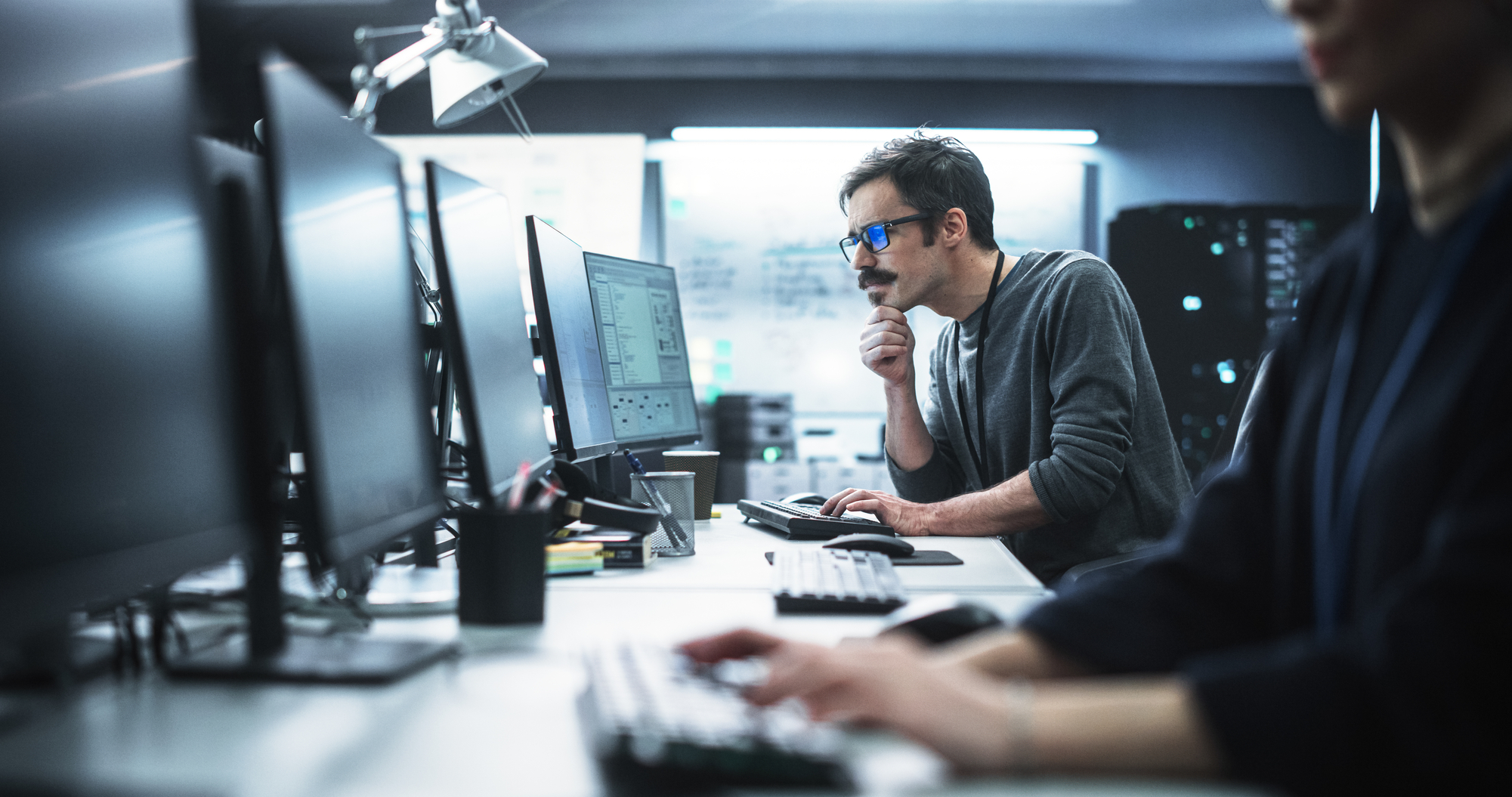
Former Tesla Manager Files FSD Safety Lawsuit
Former Tesla manager Javier Medrano filed a federal lawsuit on July 27 alleging Tesla retaliated against him after he raised safety concerns about Full Self-Driving testing in Houston, Texas. According to the complaint reported by The Independent and Engadget, Medrano was the sole manager for 38 operators on a 24-hour test schedule, above an alleged internal 15:1 guideline. Tesla had not responded to Engadget's request for comment at publication.
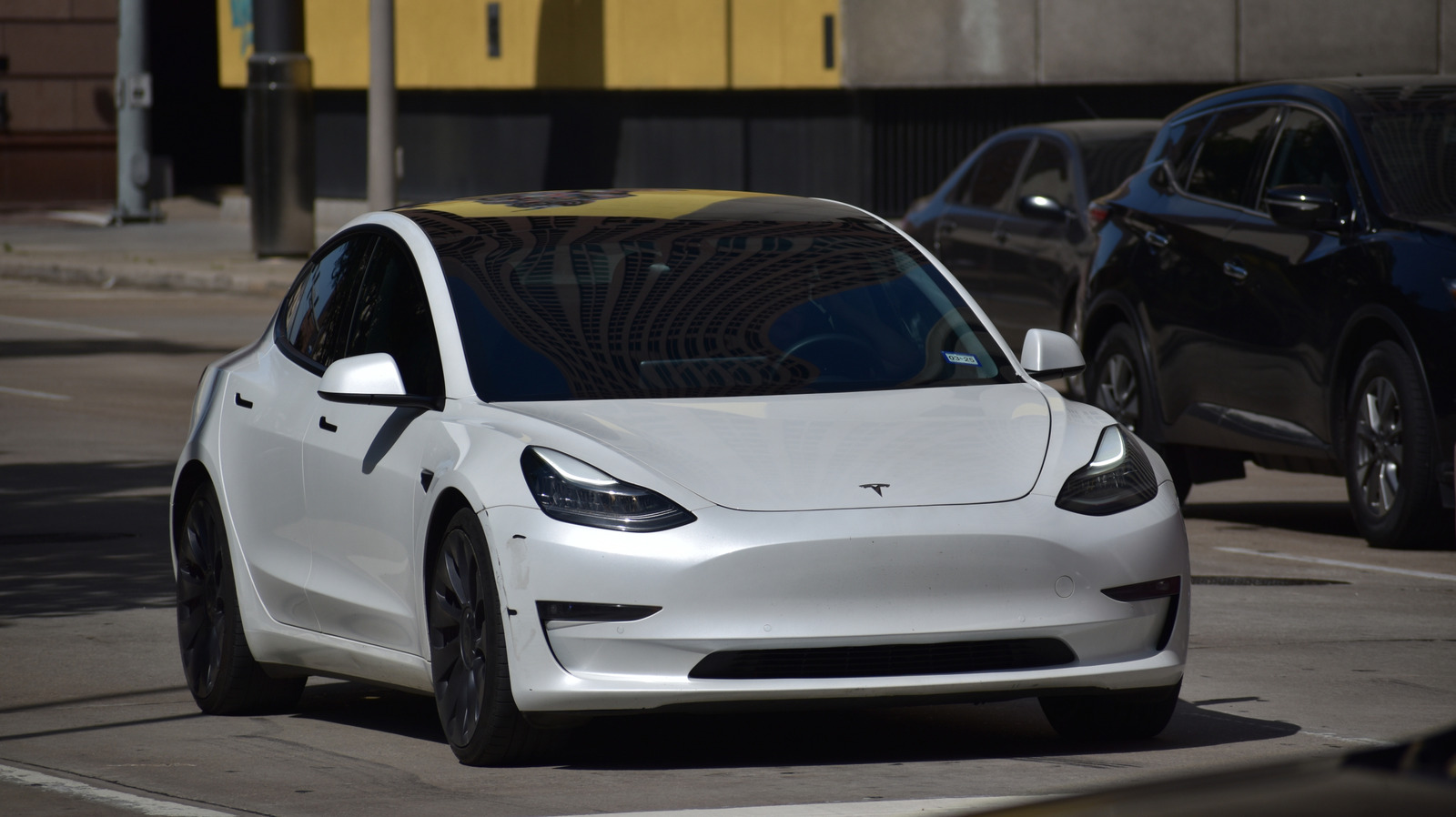
Former Tesla manager Javier Medrano has filed a federal lawsuit alleging that Tesla retaliated against him after he reported safety problems in the company's Full Self-Driving testing operation in Houston, Texas. The complaint, filed July 27 as case 4:26-cv-05963 in the U.S. District Court for the Southern District of Texas, seeks reinstatement, back and front pay, compensation related to an unvested equity award, and other damages.
Medrano, 32, managed Tesla's Houston FSD testing operation, which used safety operators in vehicles on public roads. The Independent reports that his complaint alleges Tesla expanded the operation from 15 to 38 operators while leaving him as the sole operational manager. The complaint characterizes that as a "dangerous 38:1 operator-to-manager ratio" and describes the test vehicles as "rolling hazards on public streets."
The allegations have not been adjudicated. Engadget reported that it asked Tesla for comment on the lawsuit and had not received a response when its article was published.
Alleged oversight and fatigue failures
According to Engadget's account of the filing, Medrano's responsibilities included auditing driving clips, conducting weekly ride-alongs, managing safety incidents, and remaining substantially on call. The lawsuit alleges that the Houston operation ran across three shifts, 24 hours a day, and that Medrano worked 60 to 80 hours a week, including weekend availability.
The complaint cites an alleged internal baseline of one manager for every 15 operators, attributed to Tesla Autopilot Director Pete Scheutzow. Medrano alleges he raised the staffing issue internally, including concerns that the workload was affecting his sleep and eating. The Independent quoted Medrano as saying, "I was really trying to let them know how serious this was," and, "But there was no sense of urgency."
The lawsuit also alleges that Medrano handled a crash response while asleep and gave an operator unsafe guidance that left the operator at the scene for about an hour. Engadget reported that Medrano's subsequent formal escalations of the underlying safety concerns preceded his dismissal. SlashGear reported that Medrano was fired in May 2025 after a staffer was promoted into his position in April.
Why the management layer matters in road testing
The complaint describes remote fleet managers as a human safety backstop for hazard management, emergencies, and post-collision procedures. That role is distinct from the vehicle's automated driving stack: it concerns operational supervision, incident response, and review of evidence gathered during on-road testing.
For teams developing or evaluating automated-driving systems, the case places attention on the non-model components of safety operations. Comparable public-road programs commonly require clear escalation paths, manageable on-call rotations, telemetry review processes, and documented response procedures alongside software validation. Staffing ratios alone do not establish the safety of an automated-driving system, but sustained fatigue among personnel assigned to review incidents can degrade the reliability of those operational controls.
The lawsuit's allegations concern Tesla's Houston testing operation and do not establish broader conclusions about Tesla FSD performance or safety. Its outcome may nevertheless be watched by practitioners and regulators because it centers on how organizations operationalize human oversight during high-risk, real-world AI system testing.
Key Points
- 1Medrano's lawsuit alleges Houston FSD testing grew to 38 operators under one manager, raising questions about human safety oversight capacity.
- 2The filing focuses on operational controls, including incident response and fatigue, rather than a disclosed defect in Tesla's driving software.
- 3Comparable public-road AI testing programs depend on staffing, escalation, and review processes alongside model and vehicle validation.
Scoring Rationale
The lawsuit raises specific, unadjudicated allegations about safety oversight and human incident-response capacity in an active autonomous-driving testing program. It is relevant to ML and autonomy practitioners because it focuses on operational safety controls around public-road deployment, although it does not document a new technical finding or product change.
Sources
Primary source and supporting public references used for this report.
Practice interview problems based on real data
1,625 SQL & Python problems across 15 industry datasets — the exact type of data you work with.
Try 250 free problems