Neill Blomkamp Releases Seedance-Generated Nightborne Short

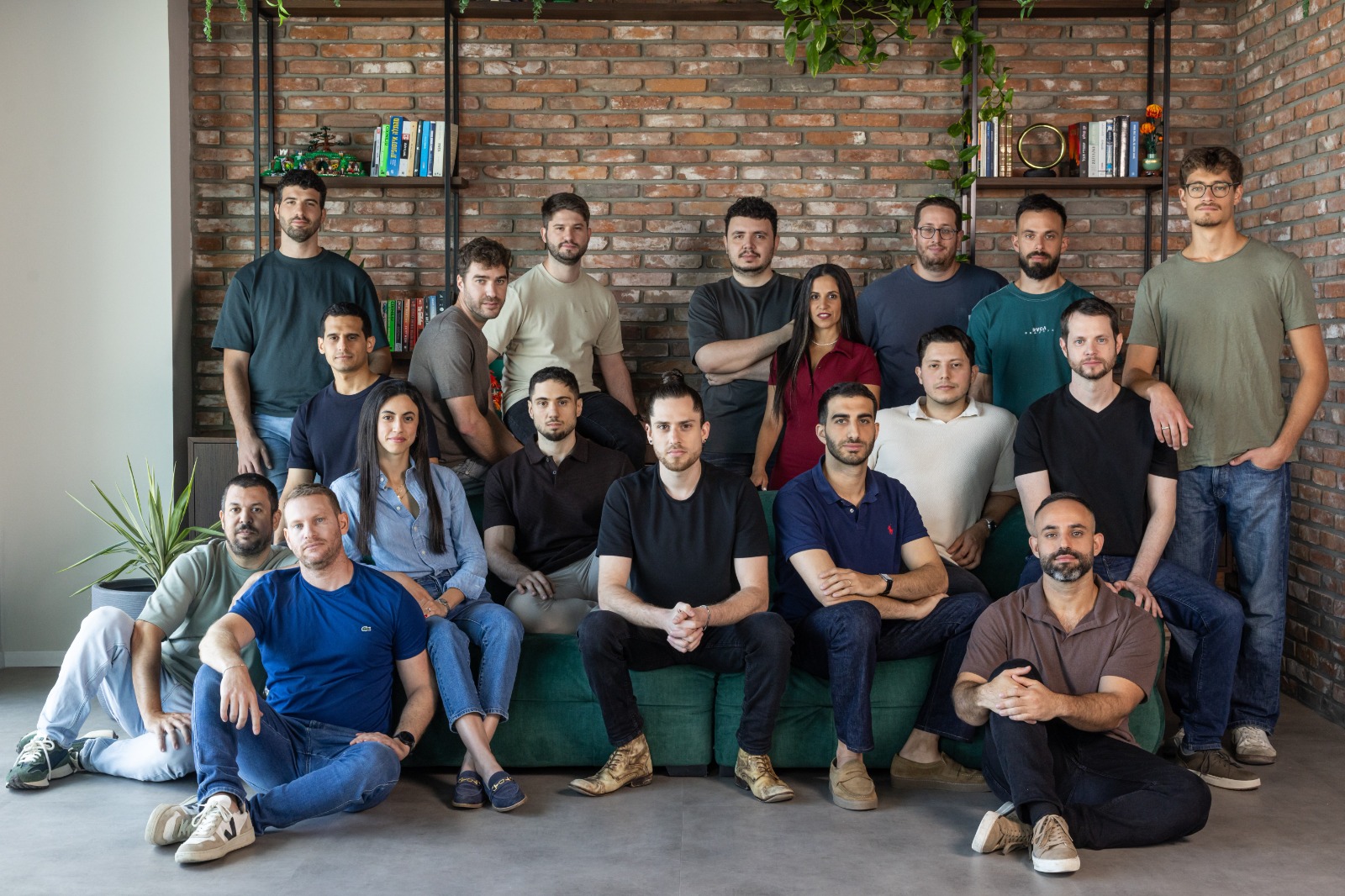
Barley Studios released Nightborne on YouTube on July 19, a 13-minute sci-fi horror short directed by Neill Blomkamp and generated frame by frame with Seedance 2.0. Its official description says the production licensed the faces and voices of 32 people and used human-created concept art. Blomkamp presents the film as a test for a possible AI-made feature, while reviewers highlighted persistent problems with performance, pacing, and visual continuity.
Barley Studios released Nightborne on YouTube on July 19. The 13-minute science-fiction horror short was directed by Neill Blomkamp and presents a mock-documentary story about a US Army pilot linked to a classified program that returns dead soldiers to combat. The release is the first public project from Blomkamp's new AI-focused studio.
How the film was made
The official video description says every frame was generated with Seedance 2.0, with Blomkamp directing shot by shot through prompts. It also says the production used licensed faces and voices from 32 real people and concept art made by human artists. Those disclosures show that the project combined generative video with consented performer material, human visual development, editing, and direction rather than removing people from every stage.
The Decoder reported that Blomkamp created Barley Studios to pursue more work in this format and plans to attempt a full-length feature. Nightborne is therefore best understood as a public production test, not a new model release or a controlled technical benchmark.
The sources do not disclose the number of generations, compute use, budget, production time, editing workload, or post-production pipeline. Without those details, the film cannot support claims about cost or speed advantages over conventional production.
What the longer format reveals
Reviews from The Verge, Gizmodo, and NME were sharply critical of the film's acting, pacing, and visual consistency. Those judgments are subjective, but they identify a useful technical distinction: generating a convincing individual shot is different from maintaining identity, motion, dialogue, staging, and dramatic rhythm across a complete sequence.
For creative-technology teams, the practical value is the artifact and its disclosed workflow. A 13-minute narrative makes cross-shot control problems easier to observe than a short demo, while the use of licensed faces and voices shows one approach to performer consent. It does not settle separate questions about model training data, output ownership, or how much human labor a production-grade generative-video pipeline requires.
Key Points
- 1Barley Studios released the 13-minute Nightborne short on July 19, with every frame generated in Seedance 2.0 under Neill Blomkamp's direction.
- 2The production says it licensed the faces and voices of 32 real people and used human-created concept art alongside prompting and editing.
- 3The longer narrative is a useful public test of cross-shot control, but the undisclosed budget, compute, and workflow prevent credible cost or speed comparisons.
Scoring Rationale
Nightborne is a notable public demonstration of Seedance 2.0 in a 13-minute narrative, with unusually clear disclosures about licensed faces, voices, and human concept art. It does not introduce a new model, API, benchmark, or measured production advantage, but it gives creative-technology teams a useful artifact for evaluating longer-form generative-video limitations.
Sources
Primary source and supporting public references used for this report.
View 4 more sources
- District 9 director Neill Blomkamp releases first short film made entirely with AI video generationthe-decoder.com
- Neill Blomkamp's new zombie AI film is just slop warmed overtheverge.com
- Neill Blomkamp's New Horror Clip Is Entirely AI-Generatedgizmodo.com
- District 9 director Neill Blomkamp criticised over AI zombie movienme.com
Practice interview problems based on real data
1,625 SQL & Python problems across 15 industry datasets — the exact type of data you work with.
Try 250 free problems