M.A.Silva Uses AI to Inspect Cork Closures
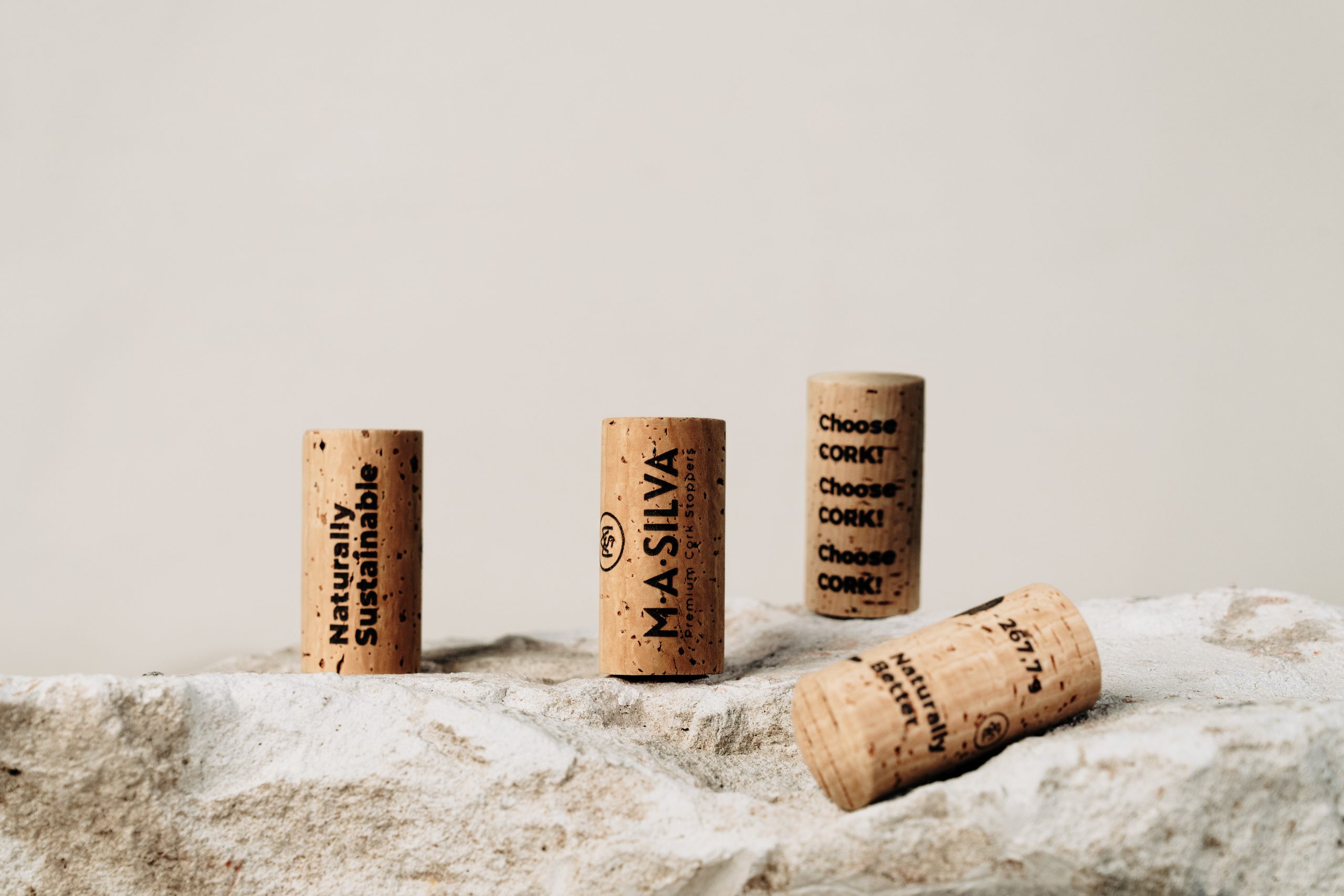
Portuguese cork producer M.A.Silva is using its Bionic Eye camera system to grade Nobeltech closures with AI and machine learning. A July 22 partner feature in The Drinks Business says each cork receives 12 inspections before classification and that the production line can handle up to 40,000 corks an hour; the company has not published independent accuracy benchmarks or model details.
Portuguese cork producer M.A.Silva is using a camera-based system called Bionic Eye to inspect and grade Nobeltech cork closures with AI and machine learning. A July 22 partner feature in The Drinks Business reports that each cork receives 12 inspections before final classification and that the production line can process up to 40,000 corks an hour.
The current coverage is partner content and the performance figures come from M.A.Silva. The available materials do not provide an independent benchmark, evaluation protocol or model documentation.
What the inspection system does
M.A.Silva's official technology page describes high-resolution image capture, AI-based defect detection and classification, real-time processing, and coverage of the cork's heads and body. The Drinks Business says the system looks for visual and structural defects including cracks, clay contamination, exposed lenticels and insect holes.
The publication reports that the 12 inspection decisions contribute to judgments about TCA risk, mechanical performance and sealing. It also relays M.A.Silva's claim that human inspection is about 75% consistent while the AI system is close to 100% consistent. Those figures are company-reported; the sources do not disclose sample sizes, error definitions, false-positive or false-negative rates, or third-party validation.
AI is one part of Nobeltech
M.A.Silva's product documentation presents Bionic Eye as one of three systems in the Nobeltech process. Bionic Eye handles physical and mechanical grading with cameras and machine learning. Sara Advanced uses controlled temperature, pressure and dry steam for volatile extraction and sensory uniformity, while Ray System uses a thermal gradient intended to enhance extraction of TCA and other volatile compounds.
That distinction matters: the available evidence supports AI-assisted visual and structural classification, but it does not show that the camera model alone measures TCA. Claims about sensory neutrality and long-term wine performance should therefore be read as product claims for the combined production process.
Why the deployment is useful
For industrial AI teams, the case illustrates how computer vision can be applied to a variable natural material at production speed, with every item receiving multiple recorded quality decisions. The operational questions remain familiar: image and lighting consistency, representative defect labels, drift across harvests and cork grades, human review of uncertain cases, and correlation between model classifications and downstream closure performance.
Without independent measurements, this is evidence of a real manufacturing deployment rather than a reusable performance benchmark. Its value lies in the workflow design and traceability claim, not in proving that similar systems will achieve the same accuracy or throughput elsewhere.
Key Points
- 1M.A.Silva uses its Bionic Eye camera system for AI-assisted visual and structural grading of Nobeltech cork closures.
- 2A July 22 partner feature reports 12 inspections per cork and throughput of up to 40,000 corks an hour, but the figures are company-supplied and not independently benchmarked.
- 3Company documentation positions Bionic Eye as one of three Nobeltech systems, so AI visual inspection should not be conflated with the separate TCA-extraction and treatment processes.
Scoring Rationale
This is a concrete industrial computer-vision deployment on a variable natural material, with reported per-item traceability and production-scale throughput. Its broader technical value is limited because the detailed performance figures are company-supplied and no independent accuracy results, model architecture or evaluation protocol are available.
Sources
Primary source and supporting public references used for this report.
Practice interview problems based on real data
1,625 SQL & Python problems across 15 industry datasets — the exact type of data you work with.
Try 250 free problems