Gul Ahmed Venture Announces Pakistan Tier III Data Centre
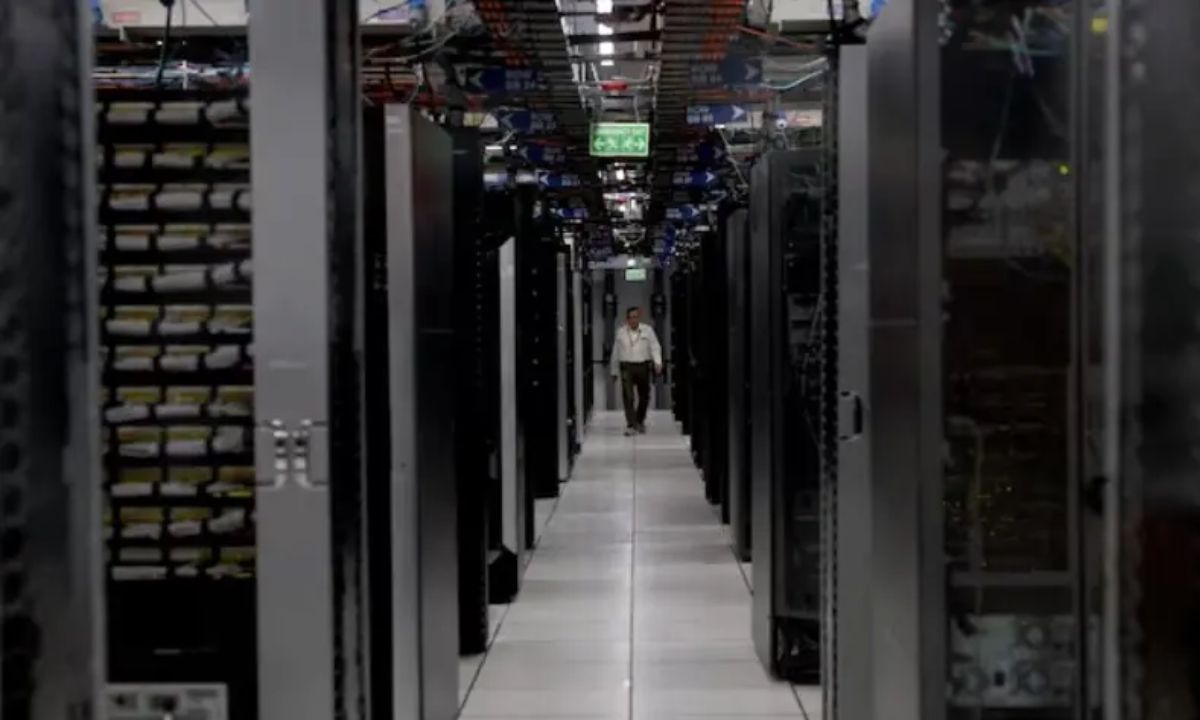
Quantum Global Data Centre (QGDC), a venture of Pakistan's Gul Ahmed Energy Group, announced plans to build what it calls the country's largest Tier III data centre, with an initial $230 million investment and commercial operations targeted for 2027, Dawn reported, citing Bloomberg. The company said total investment could reach $600 million over three to four years. QGDC unveiled the project at the Q Summit, where it signed a strategic partnership with Huawei Pakistan to develop the facility and an adjacent science and technology park spanning AI infrastructure, research, and talent development. QGDC Chairman Danish Iqbal said Pakistan already spends $700 million to $800 million a year on AI-related technology and services and warned the country risks importing large volumes of compute if local capacity lags. The facility is planned on a 30-acre site backed by a 136 MW captive power plant, per company materials.
What happened
Quantum Global Data Centre (QGDC), a venture of Pakistan's Gul Ahmed Energy Group, announced plans to develop what it says will be the country's largest Tier III data centre, with an initial outlay of $230 million and commercial operations expected in 2027. Dawn reported the figures, citing Bloomberg, and said total investment could rise to $600 million over the next three to four years. The company unveiled the project at the Q Summit, where it signed a strategic partnership with Huawei Pakistan to build the facility and an adjacent science and technology park; the two sides said they would work across AI infrastructure, research, talent development, and industry applications.
The demand pitch
QGDC Chairman Danish Iqbal told the summit that Pakistan, though still early in AI adoption, already spends between $700 million and $800 million a year on AI-related technologies and services, and he warned that demand for compute will climb sharply. "For our economies to grow, we need to go to very high AI compute. And that compute, without data centres, we will not be able to do," he said, per Dawn. He cautioned that Pakistan could end up importing billions of dollars of computing capacity and data services if domestic infrastructure lags.
The facility
According to company materials, the data centre is planned on a 30-acre site within the Gul Ahmed Energy footprint, supported by a 136 MW captive power plant intended to provide stable on-site power, a common constraint for high-density compute in the region. QGDC describes the site as Pakistan's first purpose-built commercial Tier III facility, with carrier-neutral interconnection and continuity features for cloud, enterprise, and AI workloads. These are company-published specifications and should be treated as announced design targets rather than independently verified.
Editorial analysis - why it matters
Industry context
large Tier III campuses with captive power are a standard pattern for markets trying to host denser AI and cloud workloads, because reliable power and local interconnection reduce outage risk and cross-border data-egress costs. Observed patterns in similar projects suggest builders phase investment, starting with a core facility and expanding as enterprise and cloud-provider demand materializes, often bundling campus services such as science parks to attract talent.
What to watch
- •Anchor tenants or cloud-provider commitments, which would signal real demand; launch coverage did not name any.
- •Construction milestones and grid-connection timelines, which determine whether the 2027 target holds.
- •Interconnection and carrier ecosystem, which shape the site's value for distributed training and hybrid-cloud workloads.
Bottom line
The project is a sizable, concrete capital commitment to Pakistan's compute infrastructure with regional implications for where AI services are hosted. Reported figures come from Dawn (citing Bloomberg), ProPakistani, and other local outlets; capacity and timeline claims originate with QGDC and remain announced targets until construction and customer commitments are confirmed.
Key Points
- 1QGDC announced an initial $230 million Tier III data centre near Karachi, targeting 2027 operations and up to $600 million total investment.
- 2A strategic partnership with Huawei Pakistan covers the data centre plus a science park spanning AI infrastructure, research, and talent development.
- 3Editorial analysis: new regional Tier III capacity with captive power can cut cross-border egress costs and latency for local AI and cloud workloads.
Scoring Rationale
A concrete but regional infrastructure commitment: QGDC's $230 million (up to $600 million) Tier III build with Huawei materially expands Pakistan's AI and cloud compute options and is relevant to practitioners deploying in South Asia. It is an announced, not-yet-operational single-market facility rather than a globally significant development, so it sits in the solid-but-niche band.
Sources
Public references used for this report.
Practice interview problems based on real data
1,625 SQL & Python problems across 15 industry datasets — the exact type of data you work with.
Try 250 free problems