Gemini Outperforms Google Lens in Visual Search
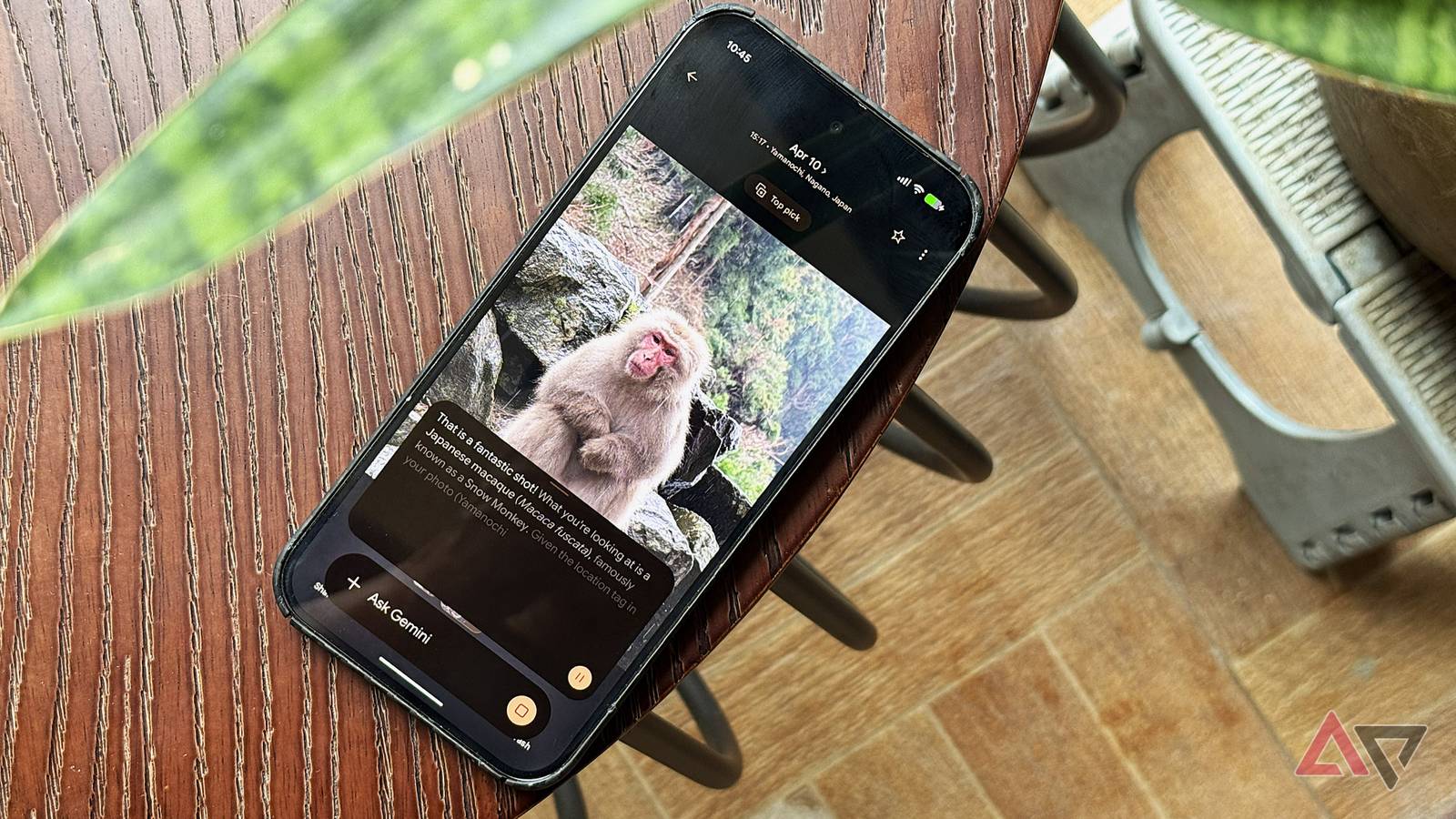
The practical signal in this comparison is not that one tool wins but that visual search is shifting from match-and-identify to conversation. Writing for Android Police, Jade Bryan spent a week using Google's Gemini as her primary image-search tool in place of Google Lens, which she had relied on since 2016, and found Gemini's ability to take follow-up, conversational questions about an image changed how she searched, leading her to toggle between the two apps. That experience tracks where Google is actually heading: rather than retiring Lens, Google is integrating Gemini into it, adding conversational image and video queries. For practitioners building visual features, the takeaway is that multimodal assistants are collapsing 'identify' and 'reason about' into one interaction, and the design questions that follow are latency, privacy, and how much routing images through a large model costs.
The shift underneath the comparison
Read as a product review, this is one writer preferring Gemini to Lens. Read as a signal, it marks visual search moving from a match-and-identify model toward interactive, conversational reasoning about images - a change in interaction pattern that matters more than which app currently feels better.
What the test found
Writing for Android Police, Jade Bryan reports she spent a week using Google's Gemini as her primary visual-search tool, replacing Google Lens, which she had used since 2016. On her phone and a Samsung Galaxy Tab S10 FE, she found Gemini invited more complex, conversational questions about images and follow-up queries in a single session, which disrupted her established Lens workflow and led her to toggle between the two apps. This is one practitioner's hands-on account rather than a quantitative benchmark.
Where Google is actually going
The comparison is better understood as convergence than replacement. Reporting on Lens's roadmap indicates Google is integrating Gemini directly into Lens - including conversational image and, increasingly, video and voice queries - rather than retiring the dedicated tool. That reframes the practitioner question from which app wins to how a single multimodal flow will handle both quick identification and open-ended reasoning.
What to watch
Three signals will show whether conversational visual search becomes the default expectation: feature convergence where quick-identify and conversational flows merge into one interface; the latency and privacy trade-offs of routing images through large multimodal models; and developer APIs that expose richer image-plus-text interfaces to third-party apps.
Key Points
- 1An Android Police writer used Google's Gemini as her primary visual-search tool for a week, finding it outperformed Google Lens on complex, conversational queries.
- 2Multimodal models fuse image understanding with conversational context, enabling follow-up questions that a match-based tool like Lens cannot answer.
- 3Google is merging Gemini into Lens, so teams building visual search should plan for conversational UX plus latency, privacy, and routing-cost trade-offs.
Scoring Rationale
A single-author editorial review comparing Gemini and Google Lens for visual search. Relevant as a consumer UX signal about multimodal assistant adoption, but it is one writer's personal test rather than quantitative research, a product launch, or a major platform update.
Sources
Public references used for this report.
Practice interview problems based on real data
1,625 SQL & Python problems across 15 industry datasets — the exact type of data you work with.
Try 250 free problems