Analysisgpgpugpunvidiacuda
GeForce 3 Spurs GPU Programmability Revolution
7.2
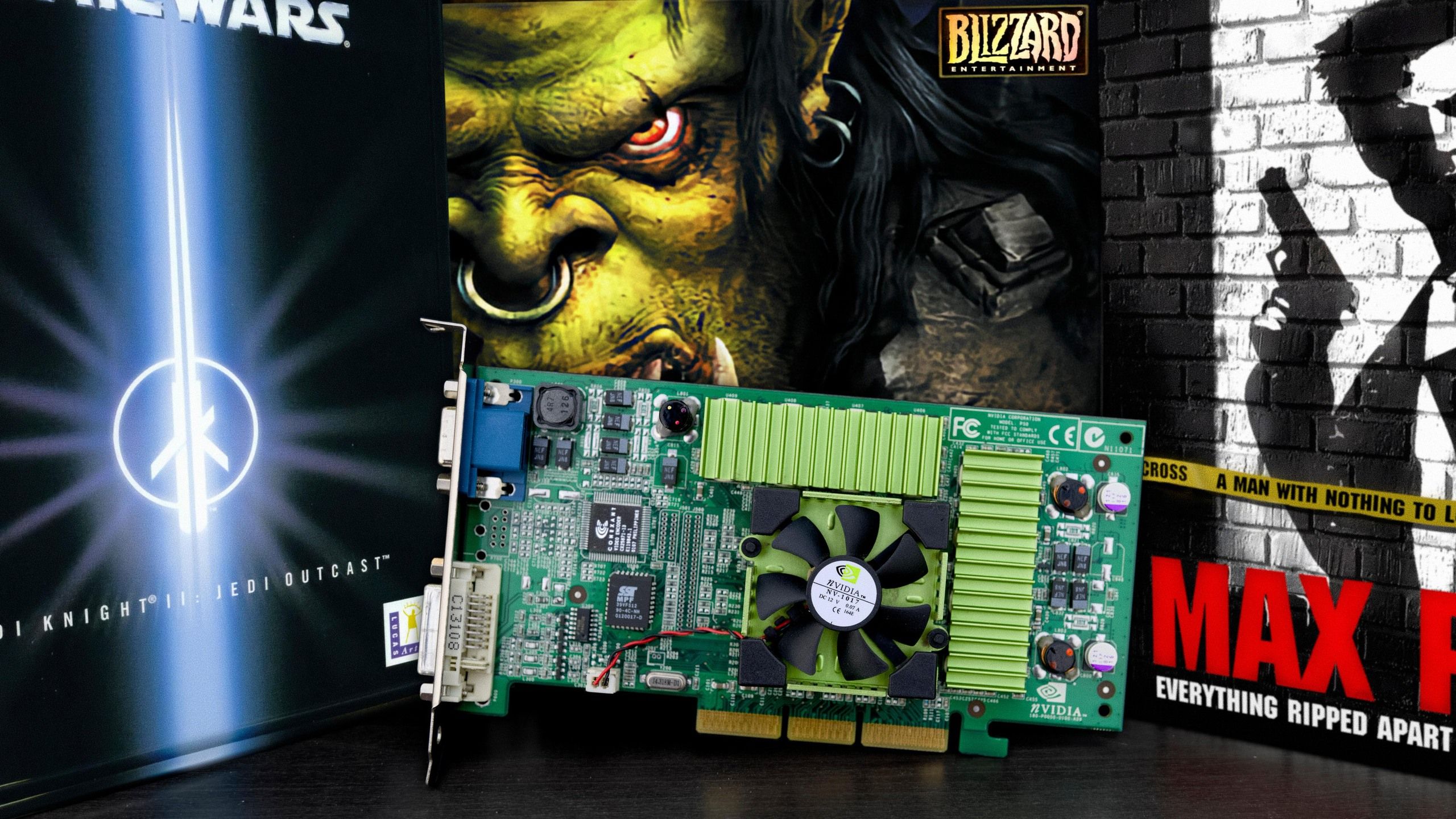
When NVIDIA launched the GeForce 3 in February 2001 it introduced DirectX 8.0 pixel and vertex shader support, making GPUs programmable for the first time and enabling demos like the Chameleon and early Doom 3 showcases. Though initial reviewers found its raster performance underwhelming, the architecture laid groundwork for Xbox NV2A, later unified shaders, CUDA, GPGPU, and today's AI acceleration.
Key Points
- 1Introduces DirectX 8 pixel and vertex shaders, enabling GPU programmability in February 2001
- 2Marks significance by enabling advanced effects like normal mapping, per-pixel lighting, and matrix skinning
- 3Drives long-term impact as foundation for GPGPU, Xbox NV2A, CUDA and modern AI acceleration
Scoring Rationale
High industry relevance and clear linkage to modern GPGPU/AI, limited novelty because it's a retrospective rather than new research.
Practice interview problems based on real data
1,625 SQL & Python problems across 15 industry datasets — the exact type of data you work with.
Try 250 free problems