Drivers Sue Gas Stations Over Alleged AI Price Inflation
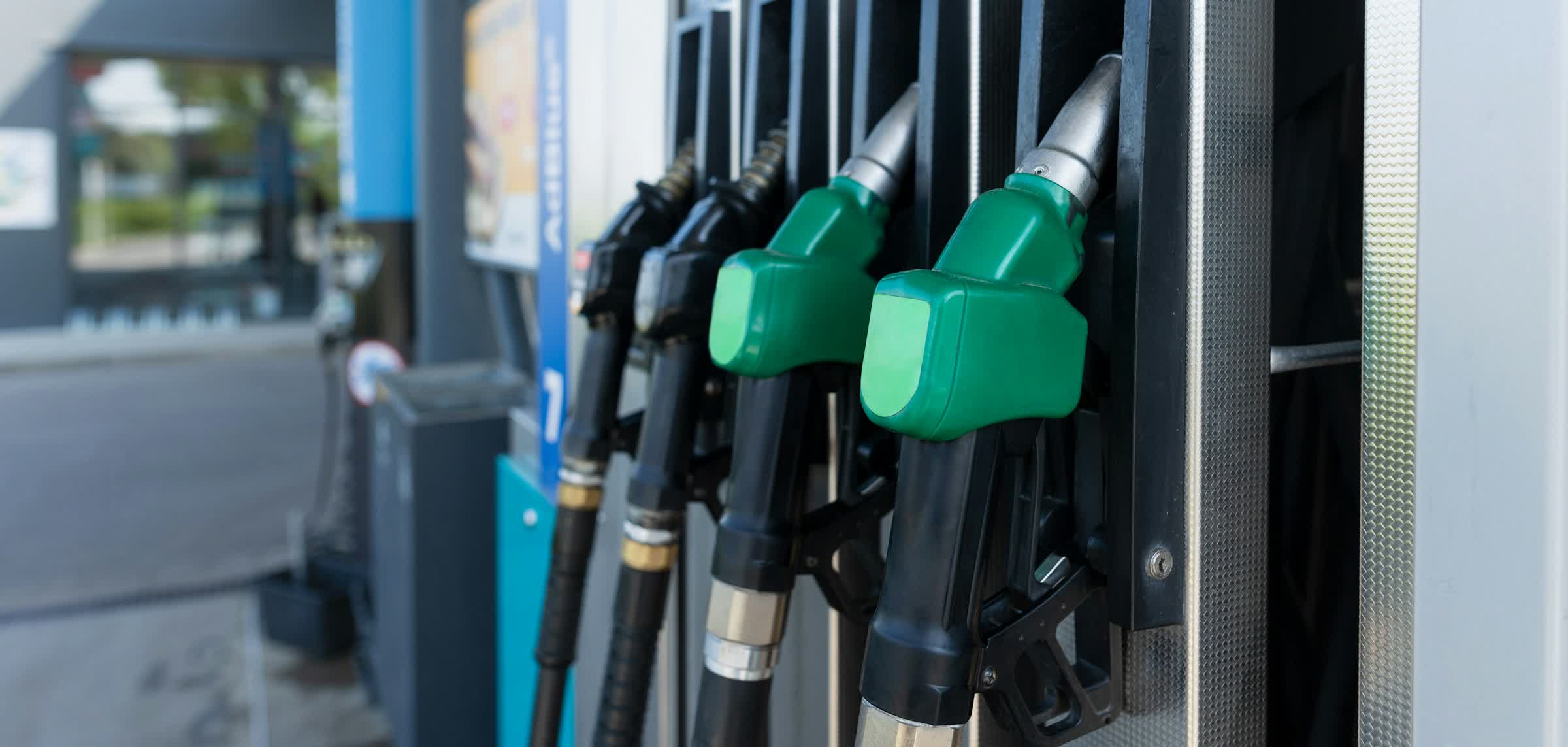
A proposed class action filed in Sacramento federal court on June 22 names BP, Circle K, Marathon Petroleum, 7-Eleven, Walmart, Albertsons and software firm Kalibrate as defendants, alleging use of an AI-based pricing tool to push pump prices higher, according to Reuters and The Guardian. The complaint cites California's Cartwright Act and Assembly Bill 325, the latter of which took effect January 1, 2026, and seeks unspecified damages for California drivers (Reuters, TechSpot). Plaintiffs allege prices rose by as much as 30 cents per gallon in areas where the tool was widely used and that the defendants operate more than 1,700 California stations, costing drivers an estimated $134 million per cent increase statewide annually, the filing says (Reuters, TechSpot). The complaint includes the line, "While families struggle to afford the commute to work, defendants have conspired to put an end to competition," the filing states (Reuters).
What happened
A proposed class action was filed on June 22 in the U.S. District Court for the Eastern District of California in Sacramento naming BP, Circle K, Marathon Petroleum, 7-Eleven, Walmart, Albertsons and the analytics vendor Kalibrate as defendants, according to reporting by Reuters and The Guardian. The complaint alleges the defendants used an AI-based pricing tool supplied by Kalibrate that draws on competitors' prices, producing coordinated retail prices that the plaintiffs say violated California's Cartwright Act and Assembly Bill 325, the state law targeting algorithmic price fixing that took effect on January 1, 2026 (Reuters, The Guardian, TechSpot).
Technical details
The complaint, as reported, alleges Kalibrate's platform consumes price data from multiple competing stations and issues optimization recommendations that, where broadly used, led to retail prices increasing by up to 30 cents per gallon in some regions, the filing says (Reuters, TechSpot). The suit quantifies scale, saying the named defendants operate more than 1,700 stations in California and that each additional cent at the pump costs drivers about $134 million statewide per year, figures quoted in the complaint (Reuters, The Guardian, Popular Information).
Editorial analysis - technical context
Algorithmic price-optimization tools commonly ingest market and competitor data, then output suggested prices based on objectives such as margin maximization or revenue. Industry observers note that when many competitors use similar feedback-driven systems, outcomes can align across firms without explicit human agreements, producing effects regulators may treat as tacit coordination. This pattern has already drawn regulatory and legal attention in other sectors, including lodging and housing platforms, and the new California law, Assembly Bill 325, is explicitly designed to address such algorithm-driven alignment.
Context and significance
Industry context: The lawsuit tests how existing antitrust doctrine and recent state-level legislation apply to automated pricing tools. Reporting frames the case as part of a larger wave of litigation and regulatory scrutiny over whether shared or similar algorithms can create de facto price-fixing even absent explicit human collusion (The Guardian, The Next Web, Global Competition Review). Practitioners building or deploying pricing models should note that legal exposure may hinge on how data is shared, what the optimization objective is, and the governance around automated recommendations.
What to watch
- •Whether the court allows the plaintiffs to pursue claims under the Cartwright Act and Assembly Bill 325, or whether defendants obtain early dismissal on procedural or substantive grounds (Reuters).
- •Any discovery findings about Kalibrate's data sources, model design, and whether recommendations were deployed automatically or manually (TechSpot, The Next Web).
- •Broader enforcement or private suits that adopt similar theories in other U.S. states or sectors, which would clarify how courts treat algorithmically aligned pricing (Global Competition Review).
Editorial analysis
For practitioners and compliance teams, the case underlines the rising importance of explainability, audit trails, and documented decision controls for pricing systems. Companies using third-party optimization tools should evaluate contractual data flows and operational controls, while model developers should be aware that widely deployed, competitor-aware optimization can attract antitrust scrutiny. The defendants have not issued detailed public statements explaining the products' inner workings in the reports cited, and the complaint is the primary source for the specific allegations reported here (Reuters, TechSpot).
Key Points
- 1Complaint alleges shared use of Kalibrate's AI pricing tool drove pump prices up to 30 cents per gallon, testing new California anti-algorithm law.
- 2Legal pushback against competitor-aware pricing algorithms is spreading, creating compliance and design risk for retail pricing systems.
- 3Discovery on data inputs, automation level, and deployment will be the decisive evidence in courts assessing algorithmic coordination claims.
Scoring Rationale
The case is a notable legal test of how antitrust law and California's Assembly Bill 325 apply to algorithmic pricing, with direct implications for practitioners building or deploying pricing models; it is not a frontier technical breakthrough but has significant regulatory and operational consequences.
Sources
Public references used for this report.
View 6 more sources
- California Drivers Sue Fuel Giants Over Alleged AI-Driven Gas P…pymnts.com
- Gas stations are using AI to inflate prices, new lawsuit allegespopular.info
- Gas purchasers test California's AI pricing law - GCR USAglobalcompetitionreview.com
- BP, Marathon, 7-Eleven, Walmart sued for allegedly using AI to boglobalbankingandfinance.com
- California Drivers File Class-Action Lawsuit Against BP, Other Retail ...finance.biggo.com
- California drivers are suing BP, Walmart and Marathon for using an ...startupfortune.com
Practice with real Retail & eCommerce data
90 SQL & Python problems · 15 industry datasets
250 free problems · No credit card
See all Retail & eCommerce problems