Tech stocks tumble amid AI spending concerns
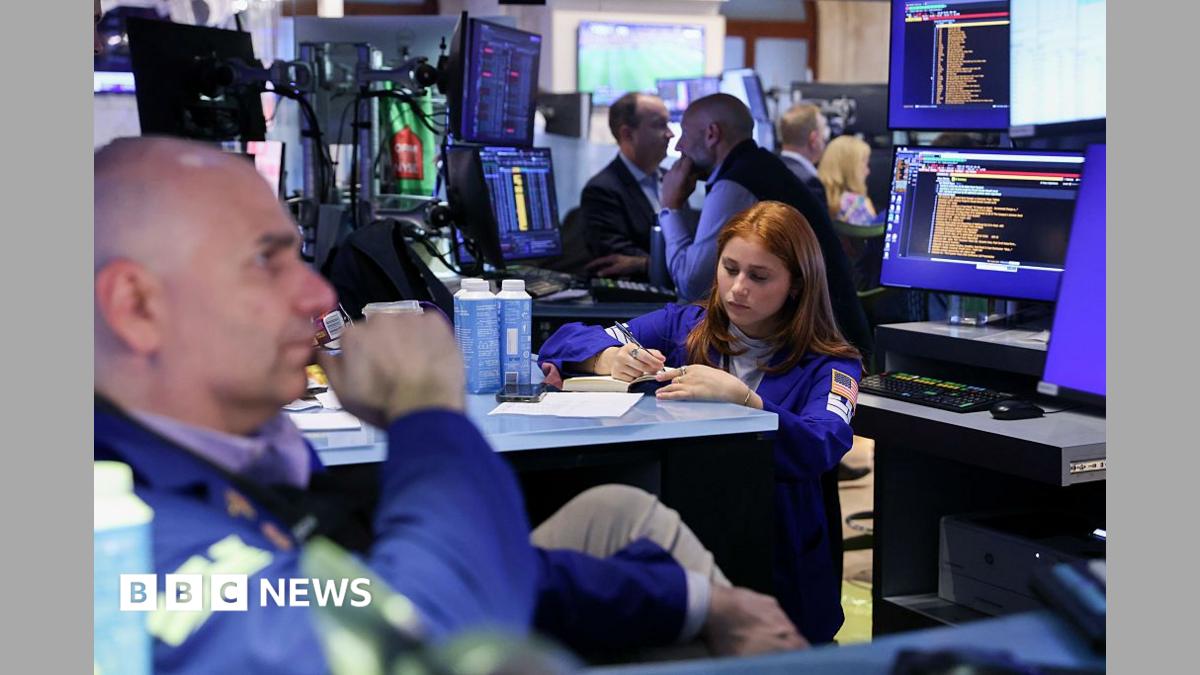
Major technology shares fell sharply on Tuesday as investors questioned whether heavy, debt-funded AI spending can be justified by future profits. Reuters reported the Nasdaq Composite down about 1.7% and the S&P 500 down 1.12% at mid-session; the Philadelphia Semiconductor index tumbled 7.6% per Reuters. Reuters also noted chip names such as Nvidia and Intel fell, with Nvidia reported down 3.7%, while memory names Micron Technology and SanDisk fell double digits in some reports. The selloff extended to newly public SpaceX, which experienced volatile trading after its June IPO, according to the BBC and CBS News. Analysts quoted by Reuters and CBS attributed the move to sentiment unwinding around concentrated, flow-driven AI trades and to concerns about more hawkish Fed policy.
What happened
Financial markets experienced a sharp tech-led selloff on Tuesday. According to Reuters, the Nasdaq Composite was down about 1.7% and the S&P 500 lost 1.12% at mid-session, while the Philadelphia Semiconductor index slid 7.6% per Reuters. The BBC reported a similar downturn, describing the Nasdaq fall as about 2%. Reuters listed individual moves including Nvidia down 3.7%, and two memory-related names, Micron Technology and SanDisk, falling double digits in some reports. The BBC and CBS News also reported that newly public SpaceX saw highly volatile trading after its June 12 IPO.
Technical details
Editorial analysis - technical context
Market coverage highlights two mechanically important drivers behind the moves. First, reporting by Reuters and others points to concentrated flows into a narrow set of tech and chip names during the recent rally. Second, multiple outlets link growing investor scrutiny to large, debt-funded capital expenditures by hyperscalers to build AI infrastructure. Those dynamics combine to make price action sensitive to shifts in sentiment rather than near-term fundamentals.
Observed market commentary
Reuters quoted Ross Mayfield, investment strategy analyst at Baird, saying, "The trade has been highly concentrated and flow-driven, which makes it vulnerable to relatively small shifts in sentiment." Reuters also cited David Wagner, head of equity and portfolio manager at Aptus Capital Advisors, saying, "There's a distinguishing aspect of this market between those who are receiving the checks, like memory names and those who are writing the checks." CBS quoted James Reilly of Capital Economics calling the falls "another illustration of rising volatility" tied to frothy earnings expectations. CBS also quoted Nigel Green of deVere Group noting investors now want evidence that heavy spending will translate into profits.
Context and significance
The selloff arrived after a three-month rally that lifted many tech and chip stocks to multi-year highs, as documented across Reuters, the BBC, CBC, and CBS. Reporting highlights a market bifurcation: names selling hardware and memory have been beneficiaries of AI demand while hyperscalers and platform companies are the ones funding large infrastructure builds. The immediate significance for practitioners is that capital allocation and sentiment, not only product or technology milestones, are driving short-term market valuations.
Impact on subsectors and notable names
Reported coverage shows chipmakers leading the decline, with Reuters and CBC flagging sharp falls for memory and semiconductor firms. The BBC and CBS both highlighted volatility in SpaceX following its IPO. Coverage also singled out major cloud and platform firms, including Alphabet, Amazon, Microsoft, and Meta, as suffering market value declines as investors weighed future returns on AI spending.
What to watch
For practitioners
Watch quarterly earnings and guidance from memory and infrastructure suppliers, notably Micron, which Reuters flagged as reporting results that could provide clues on AI-driven hardware demand. Also monitor central bank communications. Reuters and CBC tied part of the selling to renewed bets on a more hawkish Federal Reserve. Finally, observe flow metrics and concentration in passive and active funds, since several quoted analysts attribute the rapid reversal to concentrated inflows that can unwind quickly.
Bottom line
Industry context
Reporting across Reuters, the BBC, CBS, and CBC frames the episode as a sentiment-driven correction within a narrow, flow-sensitive rally that was heavily leveraged to expectations about AI spending. Practitioners should distinguish short-term market volatility from longer-term technical adoption, while tracking leading hardware vendors and corporate spend disclosures for concrete demand signals.
Key Points
- 1Nasdaq fell ~1.7% and the Philadelphia Semiconductor index dropped 7.3% on June 23 as investors questioned AI spending returns, per Reuters.
- 2Wall Street shifted from rewarding AI capex to demanding evidence of returns - Nvidia fell 3.7%, Micron fell 11%, per Reuters and TheStreet.
- 3Practitioners should distinguish short-term sentiment-driven volatility from longer-term AI adoption; monitor upcoming memory-chip earnings for demand signals.
Scoring Rationale
A sharp tech-led selloff driven specifically by AI spending return skepticism is notable context for AI practitioners tracking infrastructure investment and capital flows, but it is a financial market event rather than a technical milestone.
Sources
Public references used for this report.
View 5 more sources
- AI Spending Jitters Drag Stocks Lowerwsj.com
- Tech stocks drop, pulling world shares downcbc.ca
- Tech stocks tumble for a second day. Here's what is behind the selloff.finance.yahoo.com
- Wall St tumbles on tech selloff as concerns about hawkish Fed, AI spending mountinvesting.com
- SpaceX Tumble Is Just the Tip of Stock Market's Tech Problemsbarrons.com
Practice with real FinTech & Trading data
90 SQL & Python problems · 15 industry datasets
250 free problems · No credit card
See all FinTech & Trading problems