CoreWeave Secures Nvidia A100 Contract Through 2029
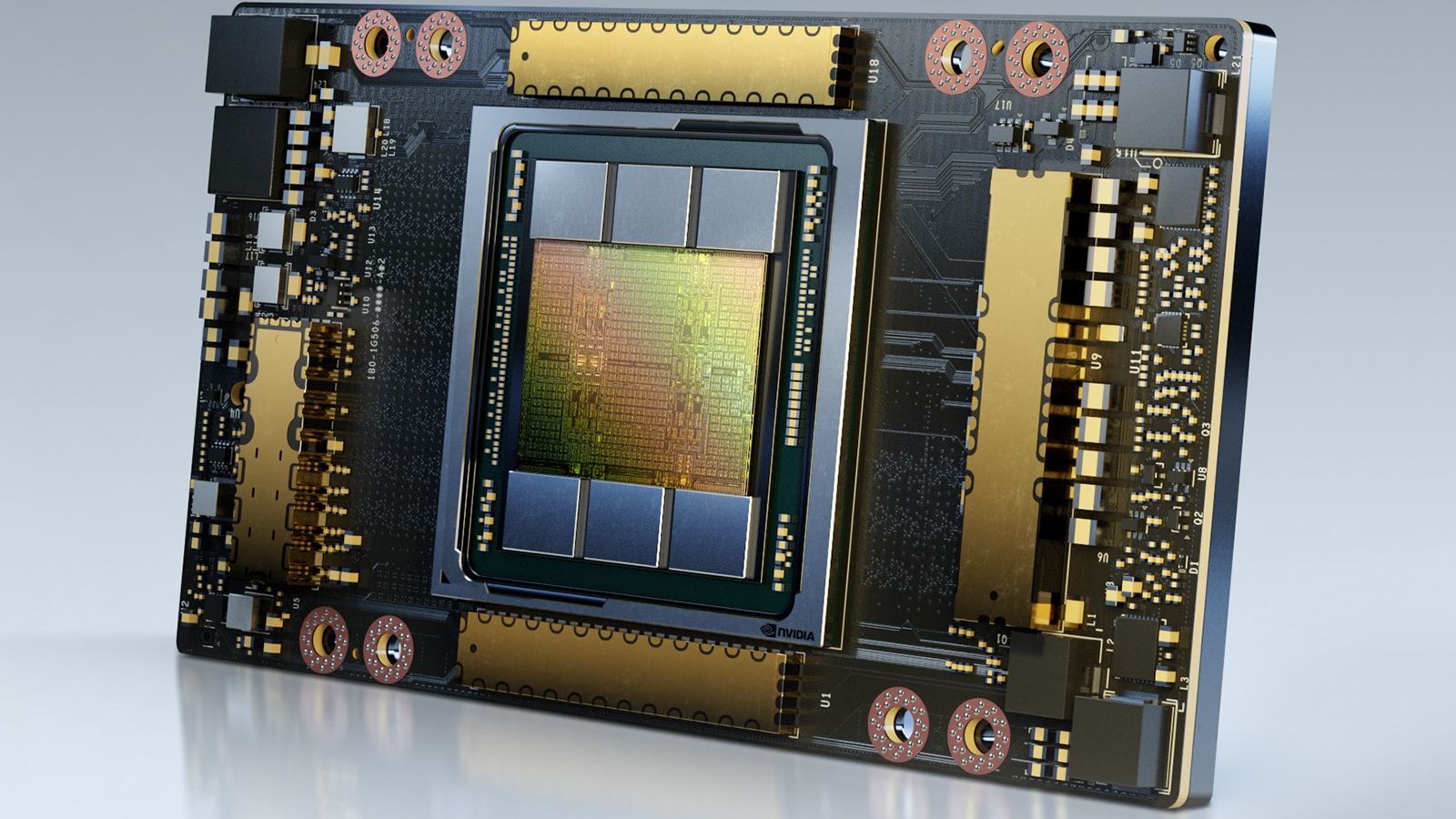
CoreWeave disclosed an Nvidia A100 GPU contract running through 2029 during an earnings call, extending the commercial use of hardware introduced in 2020. Tom's Hardware reports that CEO Mike Intrator also said pricing for prior-generation SKUs was at or above levels from years earlier. Analysts cited by MarketWatch linked the contract to continued scarce AI-compute capacity.
CoreWeave disclosed an Nvidia A100 GPU contract running through 2029, creating a reported nine-year commercial span for hardware based on Nvidia's Ampere architecture, which launched in 2020. Tom's Hardware reports that CEO Mike Intrator revealed the agreement during CoreWeave's earnings call.
The disclosure arrived with CoreWeave's quarterly results. According to Tom's Hardware, the company reported $2.58 billion in quarterly revenue, up 112% year over year, and a $104 billion revenue backlog. The publication reported that this figure excluded more than $25 billion in commitments booked since July.
Intrator said on the call that "pricing for prior generation SKUs is at or above where it was years ago," according to Tom's Hardware. The report also said that Intrator had previously told CNBC that H100 GPUs returning from an expired contract were rebooked at 95% of their original price.
Pricing and useful-life debate
The A100 agreement is relevant to a continuing debate over the residual value and depreciation period of AI accelerators. Tom's Hardware noted that investor Michael Burry had criticized hyperscalers' GPU useful-life assumptions, while Nvidia CFO Colette Kress had said A100s sold six years earlier were still operating at full utilization.
MarketWatch reported that Rosenblatt Securities analyst John McPeake cited scarce AI-compute capacity and a July 25% price increase in discussing CoreWeave's pricing. McPeake characterized the recent deal for the older Nvidia chip as being at an "attractive price" and wrote that it addressed residual-value questions in bearish assessments of neocloud providers.
MarketWatch also reported that Bernstein analyst Madison Rezaei called the quarter CoreWeave's strongest to date, while Seaport Research analyst Jay Goldberg cited improving profitability, stronger demand, and customer diversification. Goldberg nevertheless wrote that CoreWeave still had work to do to establish a sustainable long-term business.
For infrastructure teams, the reported contract illustrates a broader market condition rather than a universal hardware rule: an accelerator's economic life can diverge sharply from its frontier-model performance life when power availability, installed software stacks, and demand for inference or less demanding training workloads constrain capacity. The available reporting does not disclose the workload, GPU volume, contract value, or specific deployment terms for the A100 agreement.
Key Points
- 1CoreWeave disclosed an A100 contract through 2029, extending reported commercial demand for Nvidia hardware introduced in 2020.
- 2Tom's Hardware reported prior-generation GPU pricing remained at or above earlier levels, challenging simple age-based capacity valuation assumptions.
- 3In capacity-constrained markets, industry patterns show installed power and software compatibility can preserve older accelerator economics beyond frontier training cycles.
Scoring Rationale
The reported 2029 A100 agreement is a notable data point for AI infrastructure economics, GPU depreciation assumptions, and capacity planning. It does not introduce new hardware or a platform capability, but it provides timely evidence that demand and pricing for older accelerators can remain material.
Sources
Public references used for this report.
Practice interview problems based on real data
1,625 SQL & Python problems across 15 industry datasets — the exact type of data you work with.
Try 250 free problems