Developers Challenge Local AI Data Center Restrictions
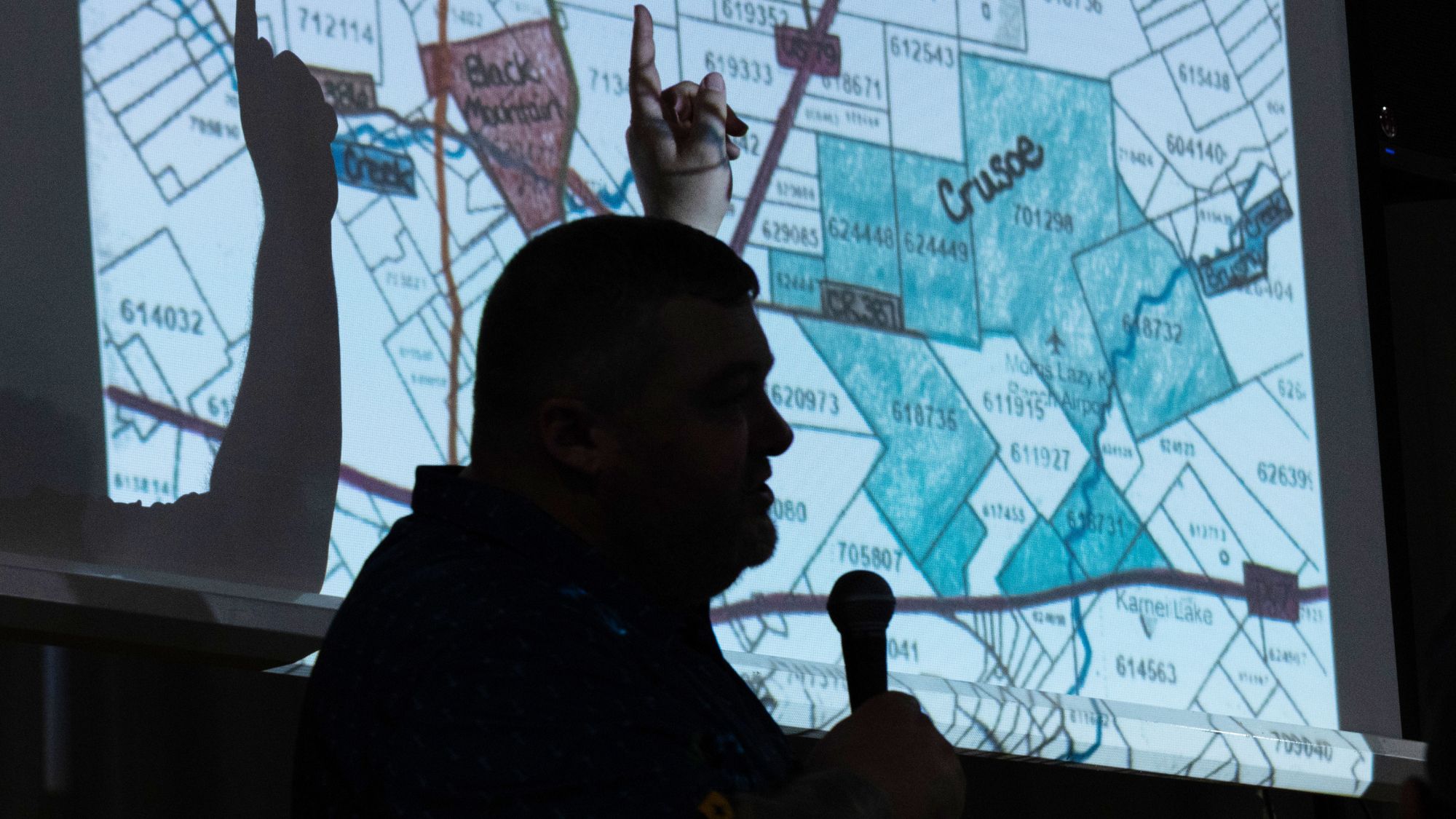
In 2026, AI data center developers began suing local governments over project denials, bans, and moratoriums, and one Texas county rescinded its ban after a lawsuit. Tom's Hardware reports that Hill County rescinded the measure a week after a developer filed suit alleging the county lacked authority to enact it. Separate lawsuits are challenging data center approval processes and public-notice and zoning practices.
AI data center developers are beginning to challenge local governments in court after project denials and restrictions, with lawsuits alleging that officials exceeded their authority or violated due-process and equal-protection rights, according to Tom's Hardware.
One early example occurred in Hill County, Texas, which Tom's Hardware identifies as the first Texas county to enact a data center ban. A developer sued, alleging that the county lacked authority to pass the measure. The county rescinded the law one week after the case was filed, and the case was subsequently dismissed, Tom's Hardware reports.
The developer-led cases are emerging alongside a broader set of disputes over how jurisdictions approve data centers. Bloomberg Law reports that opponents of proposed facilities have filed dozens of lawsuits alleging violations of public-notice requirements or zoning rules, from Missouri to New Mexico. The publication cites Data Center Watch, a consulting firm, as finding that opposition delayed or blocked at least 75 projects during the first three months of the year.
Approval processes become a litigation focus
The disputes are not limited to outright bans. In Spartanburg County, South Carolina, residents sued over the permitting process for a proposed data center, according to The State. The suit alleges that developer Valara Holdings used two smaller land-development permit applications rather than seeking a major land-development permit, a route the residents contend bypassed required public scrutiny.
The State reports that the proposed development includes four buildings approaching 500,000 square feet, along with a power yard, roads, and electrical-equipment facilities. The residents' filing also asks state utility regulators to examine whether a proposal to supply approximately 450 MW of on-site natural-gas generation complies with state requirements.
Local opposition has centered on electricity and water use, potential electricity-price effects, noise, tax incentives, environmental impacts, and facility aesthetics, Bloomberg Law and The State report. Amanda Garcia of the Southern Environmental Law Center told Bloomberg Law that existing local rules often do not fit current development conditions.
Infrastructure risk extends beyond permits
A July client alert from WilmerHale describes an emerging wave of data center litigation involving nuisance, environmental, and land-use claims. The firm noted that there are few merits decisions so far, but identified familiar legal theories including noise and vibration claims, negligence, environmental-statute violations, and zoning disputes.
For AI and data infrastructure teams, the reported cases show that compute expansion can encounter legal constraints well after land identification and utility planning. Comparable infrastructure build-outs commonly require scrutiny not only of power availability and site design, but also of local notice procedures, zoning classifications, and community-facing environmental commitments. The current cases remain fact-specific, and their legal outcomes have not yet established a uniform precedent for AI data center development.
Key Points
- 1Developers are challenging data center bans and moratoriums, making local legal authority a material factor in AI infrastructure siting.
- 2Hill County rescinded its Texas data center ban after a developer sued, according to Tom's Hardware, ending that specific case.
- 3Comparable infrastructure projects increasingly face litigation over permitting, notice, zoning, noise, energy use, and environmental compliance.
Scoring Rationale
The litigation trend affects the permitting and deployment risk of AI compute infrastructure, particularly for large facilities requiring significant power and land-use approvals. The cases are early and jurisdiction-specific, but they add a practical constraint to data center capacity planning.
Sources
Public references used for this report.
Practice interview problems based on real data
1,625 SQL & Python problems across 15 industry datasets — the exact type of data you work with.
Try 250 free problems