CityU Hong Kong Secures Funding for Zinc Water Batteries
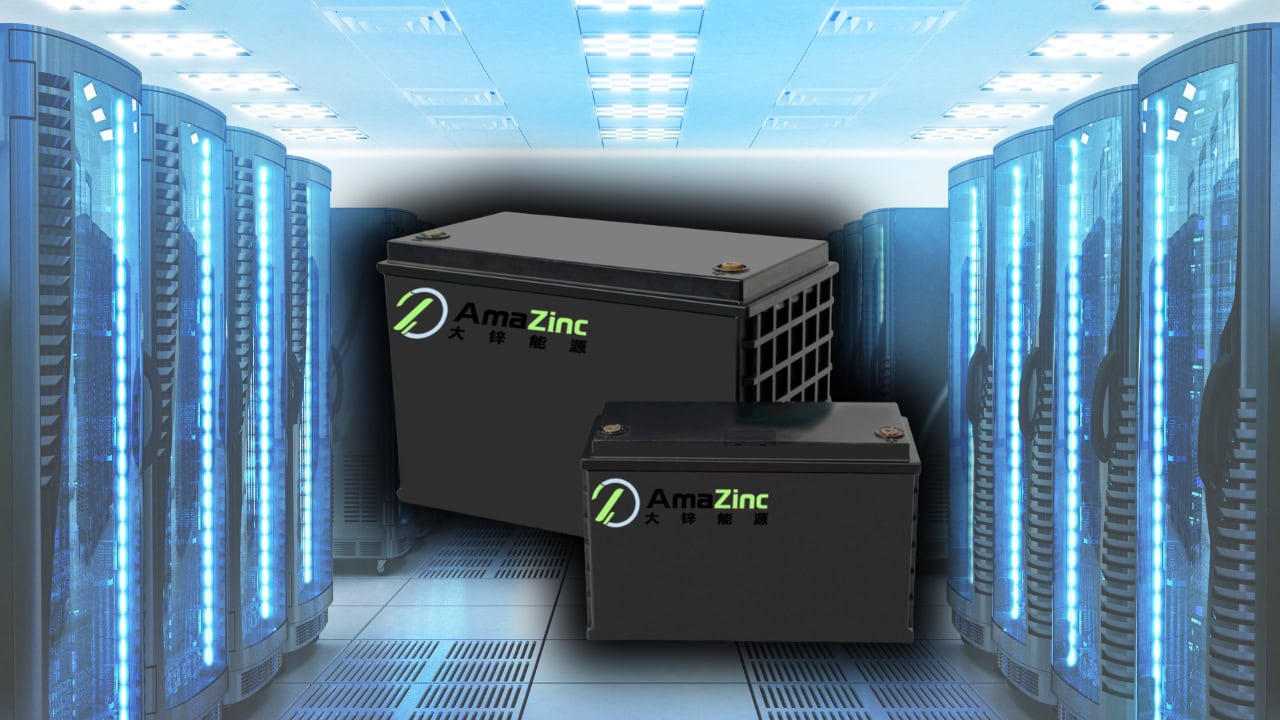
City University of Hong Kong announced it secured government funding under the RAISe+ Scheme to develop aqueous zinc-based "water" batteries for large-scale energy storage and uninterruptible power supply (UPS) use in data centers, according to TechJuice. The three-year project targets 1 gigawatt-hour annual production capacity and aims to address safety risks associated with lithium-ion thermal runaway, the report says. CityU quoted Dr Tang describing the chemistry as eliminating fire risks while lowering costs and supporting reliable backup power. The university named a commercial partner, Huasu Technology, a battery management system supplier with automated production facilities in mainland China, to accelerate commercialization, per TechJuice. The article also notes alternative vendors such as ZincFive marketing nickel-zinc systems for AI cabinet applications.
What happened
City University of Hong Kong announced it secured government funding under the RAISe+ Scheme to develop next-generation aqueous zinc-based batteries, according to TechJuice. The project, titled "Development and application of large-scale energy storage and UPS systems based on intrinsically safe aqueous batteries," received second-batch RAISe+ funding and is scoped as a three-year effort targeting 1 gigawatt-hour annual production capacity, TechJuice reports. The university quoted Dr Tang saying, "Our goal is to develop a new generation of battery technology that is both safe and efficient," and stating the chemistry "eliminates fire risks, reduces costs, and can operate safely and reliably in large-scale energy storage and backup power applications."
Technical details
Per the TechJuice report, researchers highlight that AI-driven data centers using GPU clusters can experience short-term power spikes reaching 150% of normal load within milliseconds, a stress pattern that strains batteries designed for steady discharge. The article states the aqueous zinc chemistry removes the thermal runaway pathway associated with lithium-ion systems and offers higher power density than lead-acid alternatives. CityU has partnered with Huasu Technology, described in the report as a battery management system supplier with automated production facilities in mainland China, to help commercialize the cells for data center backup and energy storage.
Industry context
Editorial analysis: Companies and operators seeking safer energy storage for mission-critical facilities have increasingly explored chemistries that avoid flammable electrolytes. Industry-pattern observations note that alternatives such as nickel-zinc and aqueous chemistries are attractive for UPS and on-prem backup because they reduce thermal runaway risk while trading off energy density and lifecycle characteristics compared with high-performance lithium-ion packs.
Deployment and partners
TechJuice frames the Hong Kong initiative as pairing academic R&D with industrial integration and distribution via Huasu, and references existing commercial products such as ZincFive's BC 2 AI cabinet using nickel-zinc chemistry as an example of market activity in non-lithium backup solutions.
What to watch
Editorial analysis: Observers should follow independent performance metrics for cycle life, depth-of-discharge economics, thermal management, and total cost of ownership in real deployments. Also watch standards alignment and third-party safety certifications, plus announced pilot deployments in data centers or financial/medical facilities that the TechJuice piece identifies as target demonstration sites. If manufacturers achieve utility-scale production approaching the 1 GWh target, procurement and retrofit roadmaps for critical facilities could shift, but adoption will depend on validated lifecycle and cost comparisons to incumbent lithium-ion solutions.
Key Points
- 1CityU Hong Kong won RAISe+ funding for aqueous zinc batteries, targeting 1 GWh annual production capacity, per TechJuice.
- 2Researchers and reporting emphasize aqueous zinc chemistry eliminates lithium-ion thermal runaway, making it attractive for data center UPS and backup.
- 3Editorial analysis: Broader adoption hinges on verified cycle life, cost per kWh, safety certifications, and successful pilot deployments in critical facilities.
Scoring Rationale
Notable infrastructure development: safer aqueous zinc batteries for data centers could materially affect backup power choices if performance and cost metrics scale. The story is regionally focused and early-stage, so impact is meaningful but not yet industry-shaking.
Practice with real Telecom & ISP data
90 SQL & Python problems · 15 industry datasets
250 free problems · No credit card
See all Telecom & ISP problems