Chinese LLMs Compete Through Coding and Productivity
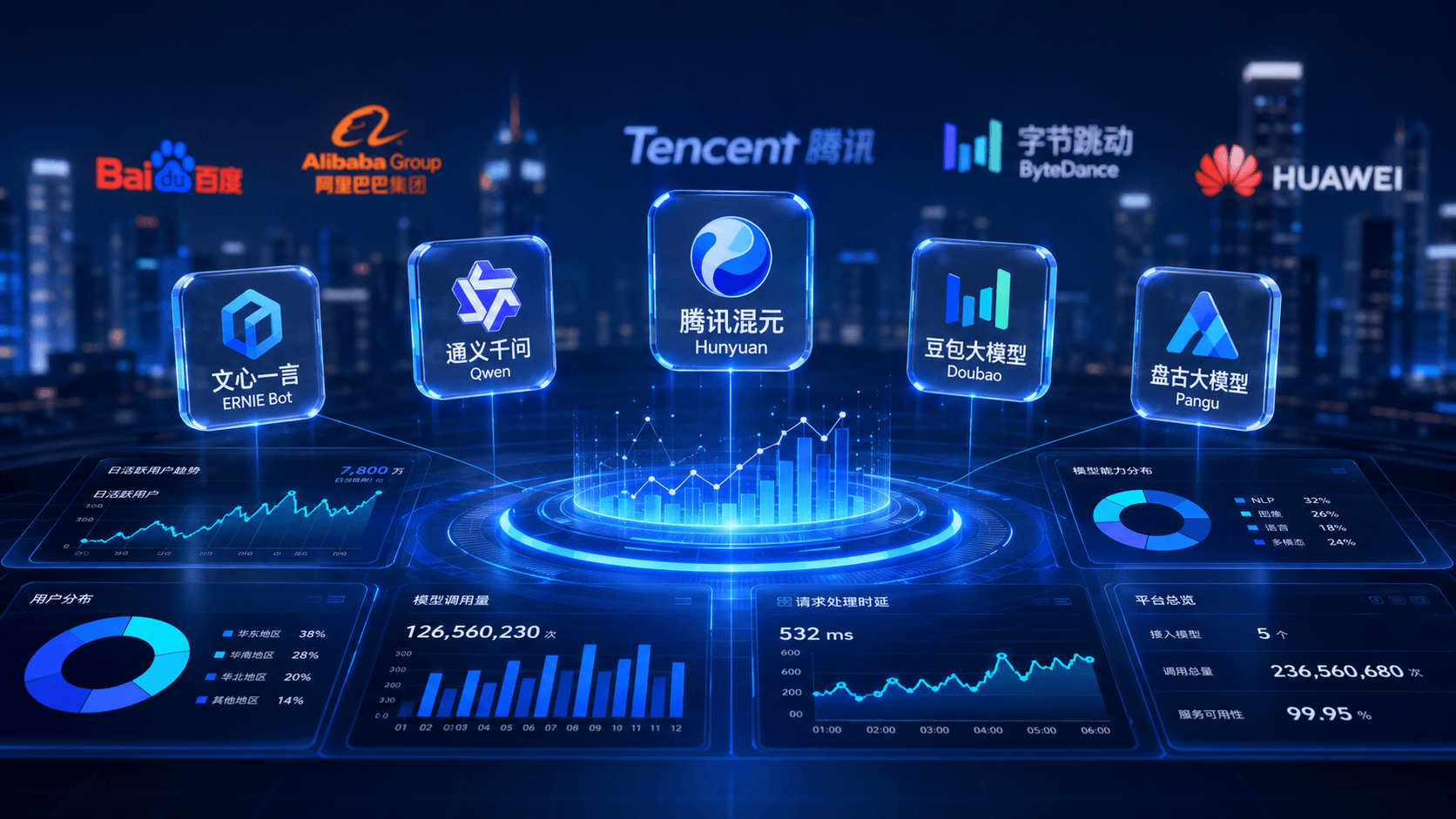
Pandaily reports that Chinese large language models such as DeepSeek V4 and Kimi K2.6 now top open-source leaderboards and that API costs in China are a fraction of U.S. competitors. The article frames pure capability parity as achieved, but highlights a recent analysis arguing commercial success will be decided by two use cases: coding and office productivity. Pandaily cites market evidence: Anthropic, which Pandaily reports has about one-seventh of OpenAI's user base, captures nearly a third of global LLM revenue, a pattern the article links to productivity gains in developer and knowledge-worker workflows. Pandaily also notes China hosts over seven million software developers and tens of millions of knowledge workers, creating a large addressable market. Editorial analysis in the piece urges Chinese firms to prioritise workflow integration over benchmark chasing.
What happened
Pandaily reports that Chinese large language models like DeepSeek V4 and Kimi K2.6 now top open-source leaderboards. Pandaily states that Chinese LLM API costs are a fraction of U.S. competitors and that, in capability terms, domestic models have largely caught up with global leaders. The article summarises a recent industry analysis which argues that the decisive commercial battleground is not benchmark rankings but two product categories: coding and office productivity. Pandaily cites market data showing that Anthropic, which it reports has approximately one-seventh of OpenAI's user base, captures nearly one third of global LLM revenue. Pandaily also reports China hosts over seven million software developers alongside tens of millions of knowledge workers.
Editorial analysis - technical context
Industry-pattern observations: Real-world productivity gains in coding and office workflows map directly to recurring value creation. Integrations that shorten developer feedback loops, automate repetitive document tasks, or embed into IDEs and productivity suites turn intermittent model use into daily habits. For practitioners, that typically means attention on latency, IDE plugins, fine-grained code generation safety, and editable, auditable output rather than headline benchmark scores.
Industry context
Editorial analysis
The Pandaily piece places the Chinese LLM progress story within a commercial frame. It highlights that revenue concentration around productivity-focused offerings, exemplified by Anthropic's revenue share as reported by Pandaily, can outsize raw user counts. The article frames China as well positioned by user base and improving model quality, but warns timing and product-market execution are critical given competing global products building adoption and habit formation.
What to watch
For practitioners
monitor three signals reported and implied by the article, uptake metrics for coding assistants (active daily users and time saved), enterprise adoption of office-productivity automations (billing and retention), and pricing trends for low-latency, secure APIs. Also watch partnerships that embed models into developer tooling and productivity suites, and measures of real-world task success such as reduced cycle time on coding tasks or document review throughput. These indicators are the commercially relevant counterparts to leaderboard positions.
Key Points
- 1Industry pattern: Embedding LLMs into coding workflows produces recurring value and higher willingness to pay than benchmark leadership alone.
- 2Industry pattern: Office-productivity automation converts broad knowledge-worker bases into high-frequency, sticky product use across enterprises and SMBs.
- 3Industry pattern: Benchmark parity accelerates entry, but durable commercial moats require workflow integration, pricing, and habit formation.
Scoring Rationale
Industry analysis from Pandaily arguing Chinese LLMs have reached capability parity and must compete on coding and productivity use cases. Relevant framing for product strategy but based on secondary analysis rather than a new model release or verified benchmark result.
Sources
Public references used for this report.
Practice interview problems based on real data
1,625 SQL & Python problems across 15 industry datasets — the exact type of data you work with.
Try 250 free problems