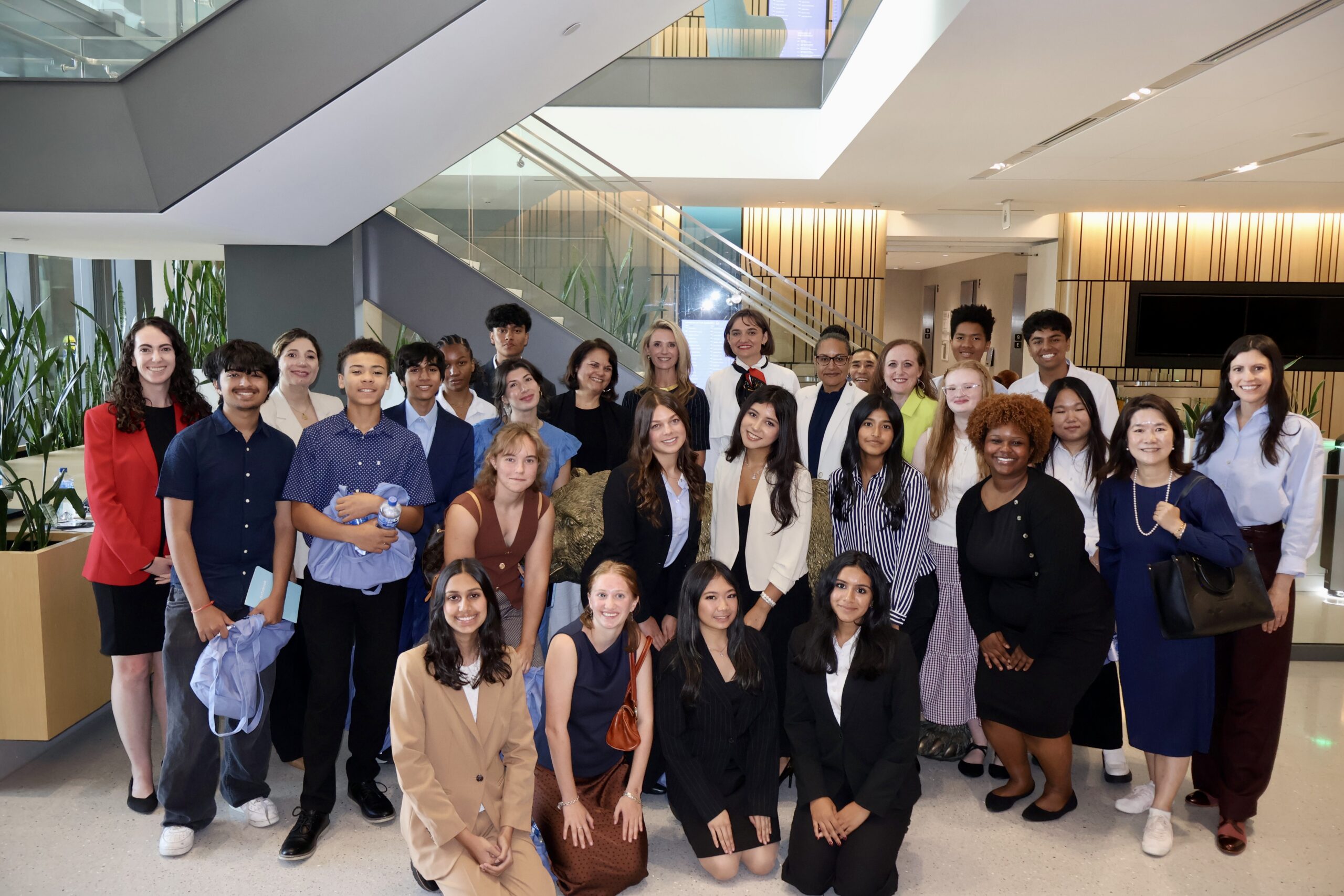
Alpha School launches AI-driven two-hour curriculum in Seattle
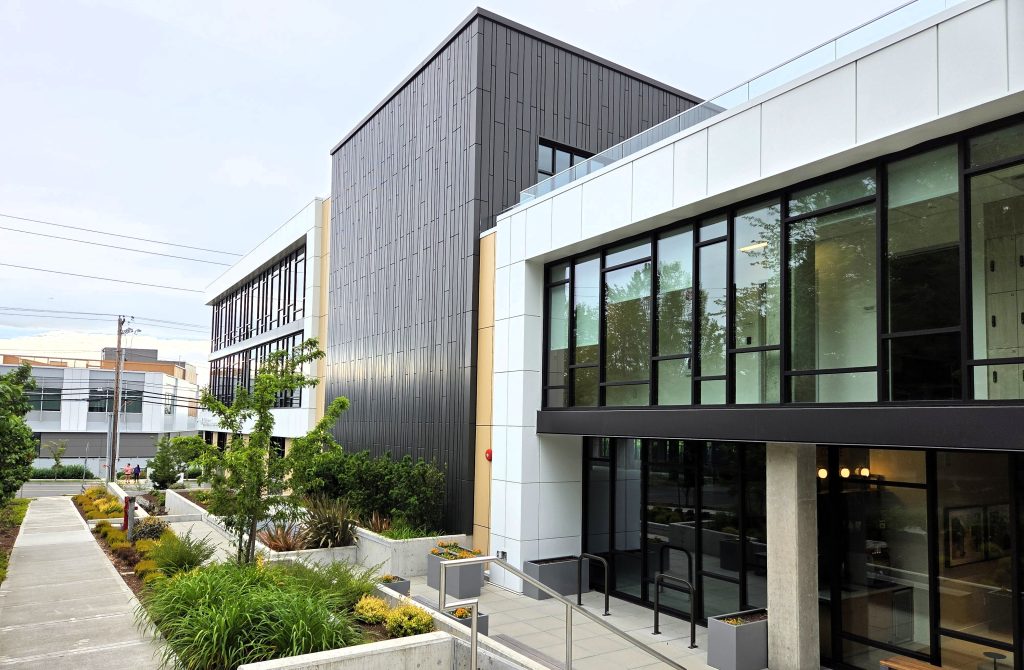
GeekWire and Commstrader report that Alpha School, an AI-driven private school chain founded in Austin, plans to open a Seattle-area location in Kirkland this fall and will run weekly summer programs on Microsoft's Redmond campus starting late June (GeekWire; Commstrader). The school has leased space at 620 Fifth Ave. S. near Google's Kirkland campus and its initial campus has capacity for up to 150 students (GeekWire). Alpha School claims it can teach core academics in two hours a day, uses adaptive AI to personalize instruction, and enforces a no homework policy to free afternoons for projects and life-skills activities (Commstrader; GeekWire). Tech entrepreneur Joe Liemandt is cited as a backer (GeekWire).
What happened
GeekWire and Commstrader report that Alpha School, an AI-driven private school chain founded in Austin, will open a Seattle-area campus in Kirkland this fall and will run weekly summer programs on Microsoft's Redmond campus starting in late June (GeekWire; Commstrader). The school has leased space at 620 Fifth Ave. S., adjacent to Google's Kirkland offices, and GeekWire reports the initial campus has capacity for up to 150 students. Both outlets describe Alpha School's core claim: the curriculum compresses traditional core academics into two hours a day, supported by adaptive software, with a built-in no homework policy (Commstrader; GeekWire). Both sources identify tech entrepreneur Joe Liemandt as a prominent backer (GeekWire).
Technical details
Commstrader reports Alpha School uses adaptive AI that the company presents as a continuous diagnostic system to map student mastery and tailor lessons. Commstrader quotes co-founder MacKenzie Price describing the platform as excluding what she calls "cheat bots," meaning generative chatbots that do the thinking for students, and positioning the system as an "invisible, tireless diagnostic cartographer" (Commstrader). GeekWire's reporting includes comments from Price on local demand and real-estate choices but provides fewer technical specifics than Commstrader.
For practitioners
adaptive tutoring systems that combine mastery-tracking, microlearning, and schedule compression raise predictable engineering and data challenges. Industry-pattern observations: comparable products must balance diagnostic granularity, curriculum alignment with standards, and robust guardrails against overfitting to assessment signals. Data privacy, consent management for minors, and longitudinal measurement of learning transfer are recurring operational requirements for edtech deployments serving children.
Context and significance
Editorial analysis
Alpha School's pitch, compressing core academics into a short daily window using AI, amplifies ongoing debates in edtech about personalization versus depth, and screen-time trade-offs versus instructional effectiveness. Observers following the sector will note this as part of a broader wave of startups claiming dramatic time-efficiency gains from algorithmic tutoring. If such models scale, they could reshape demand for afterschool programming and hands-on activities, but independent evidence of long-term learning outcomes will be the decisive factor for schools and regulators.
What to watch
Industry context
track independent assessment data, third-party evaluations of transfer to non-curriculum tasks, and local regulatory or school-district reactions. Also monitor how Alpha School operationalizes data governance for minors, the specifics of its curricula alignment to state standards, and any published learning-outcome metrics or peer-reviewed studies that would substantiate the two-hour claim.
Key Points
- 1Alpha School will open a Kirkland campus and run summer programs on Microsoft's Redmond campus, offering an initial capacity of up to 150 students.
- 2The company claims to compress core academics into two hours daily using adaptive AI, reframing school time toward projects and life-skills.
- 3Industry observers note comparable AI tutoring products require careful validation, privacy safeguards, and long-term outcome measurement before adoption scales.
Scoring Rationale
Alpha School's Seattle expansion is a real deployment of adaptive AI in private education, with GeekWire providing credible local coverage. The story raises legitimate questions about AI tutoring architecture, privacy for minors, and outcome measurement, but is an early-stage single-campus expansion with unvalidated outcome claims, placing it in the solid tier rather than Notable.
Sources
Public references used for this report.
Practice with real Ad Tech data
90 SQL & Python problems · 15 industry datasets
250 free problems · No credit card
See all Ad Tech problems