California Launches Teen Council for AI Advice
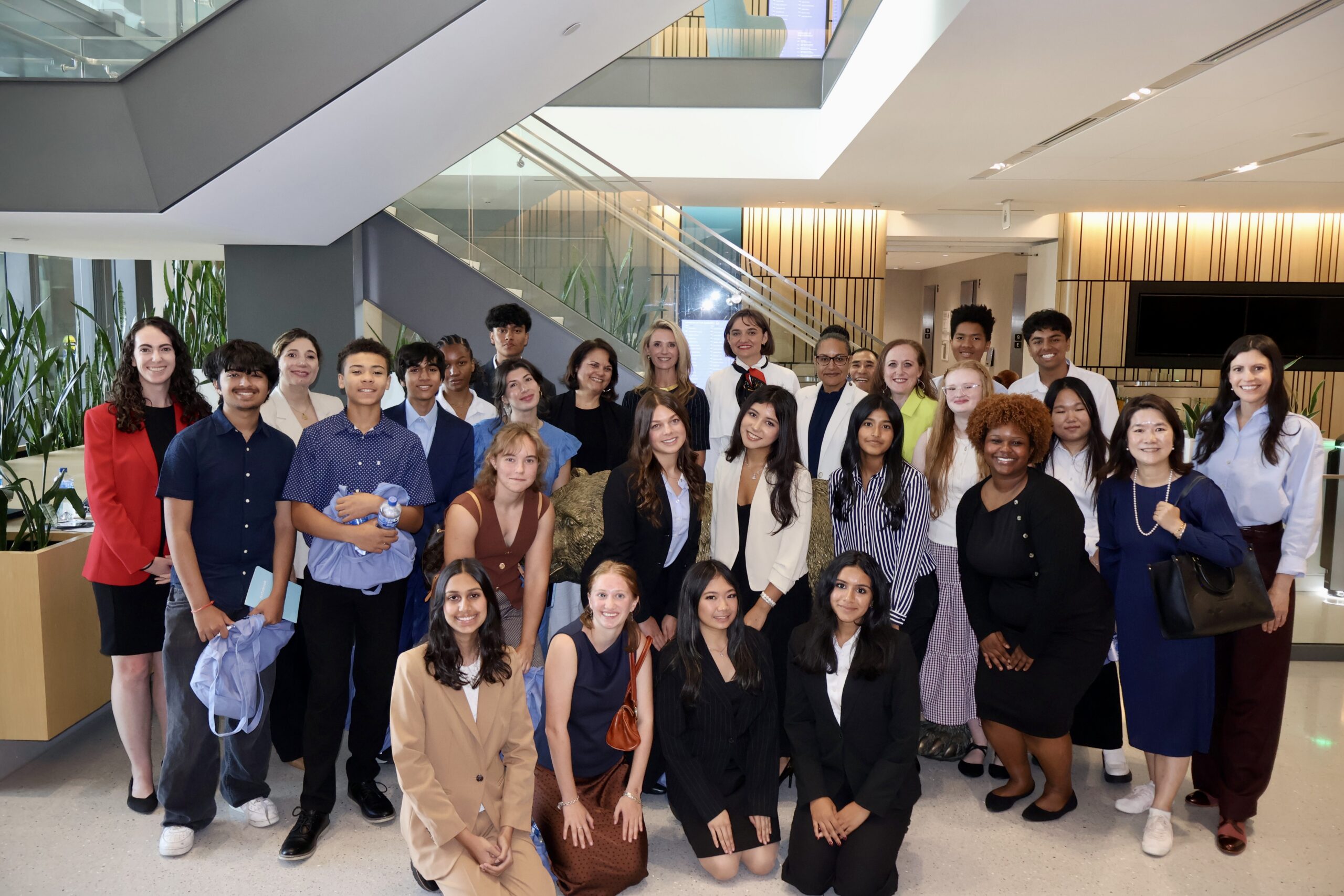
California launched its first Teen Tech Council on August 11, bringing students into discussions of technology, artificial intelligence, and digital wellness. According to California Governor Gavin Newsom's office, the council is part of the California Innovation Council and operates with youth advocacy nonprofit #HalfTheStory. The first Sacramento meeting convened 20 teens from more than 10 school districts, CC Pulse reports.
California launched its first Teen Tech Council on August 11, creating a statewide forum for young people to advise on technology, artificial intelligence, and digital wellness. The initiative is part of Governor Gavin Newsom's California Innovation Council and is being run in partnership with youth advocacy nonprofit #HalfTheStory, according to the governor's office.
The council's first meeting in Sacramento brought together 20 teens representing more than 10 school districts, CC Pulse reports. Participants discussed classroom AI use, safety, deepfake imagery, generative AI, and human interaction with technology. State leaders at the session included Health and Human Services Secretary Kim Johnson and Cabinet Secretary Nani Coloretti, according to CC Pulse.
Council scope and recruitment
California's announcement frames the council as a way to include young people in state decisions about technology rather than treating them only as people to be protected from its risks. In the governor's announcement, First Partner Jennifer Siebel Newsom said the council would give young people "a seat at the table," so their experiences and ideas can help shape technologies affecting their future.
Newsom connected the program to the California Innovation Council, which he said was established to bring stakeholder expertise and perspectives into work on the future of technology. "Our young people have the most at stake, as the technology and policies we develop today will shape the world they inherit tomorrow," he said in the state announcement.
According to CC Pulse, California intends to recruit additional teens at statewide events this fall and train participants in spring 2027 to lead projects intended to improve teen wellness. StateScoop reports that #HalfTheStory will convene teens to help develop and implement digital-wellness initiatives in schools and communities.
AI and youth policy context
The initiative arrives as youth technology policy discussions extend beyond social media toward AI tools, online safety, and classroom technology, StateScoop reports. The initial discussion topics show that the council's remit includes generative AI risks as well as digital-wellness concerns, particularly deepfakes and AI use in educational settings.
California is the second state to establish a teen technology advisory council, following a New York initiative launched in 2025 with #HalfTheStory, according to CC Pulse and StateScoop. The California council's formation is also occurring amid broader state attention to online safety and minors' use of digital services.
For AI and data practitioners, youth advisory groups are not substitutes for formal safety evaluation, privacy review, or regulatory compliance. Comparable public-participation bodies can, however, surface qualitative evidence about product use, classroom norms, and harms that standard model benchmarks and internal testing often do not capture. Whether the council produces recommendations, projects, or inputs that affect specific state AI policies has not been detailed in the cited announcements.
Key Points
- 1California created a statewide teen advisory council, formally adding student perspectives to discussions of AI, technology, and digital wellness.
- 2The inaugural Sacramento session included 20 students and covered classroom AI, deepfakes, generative AI, safety, and human interaction.
- 3Comparable youth consultation programs can expose real-world usage and harm patterns that conventional model evaluations may not measure well.
Scoring Rationale
The council is a notable state-level mechanism for incorporating youth perspectives into AI and technology discussions. Its immediate effect on model development, procurement, or regulation is indirect, but its focus on classroom AI, deepfakes, and teen safety is relevant to practitioners building consumer and education-facing systems.
Sources
Primary source and supporting public references used for this report.
Practice interview problems based on real data
1,625 SQL & Python problems across 15 industry datasets — the exact type of data you work with.
Try 250 free problems