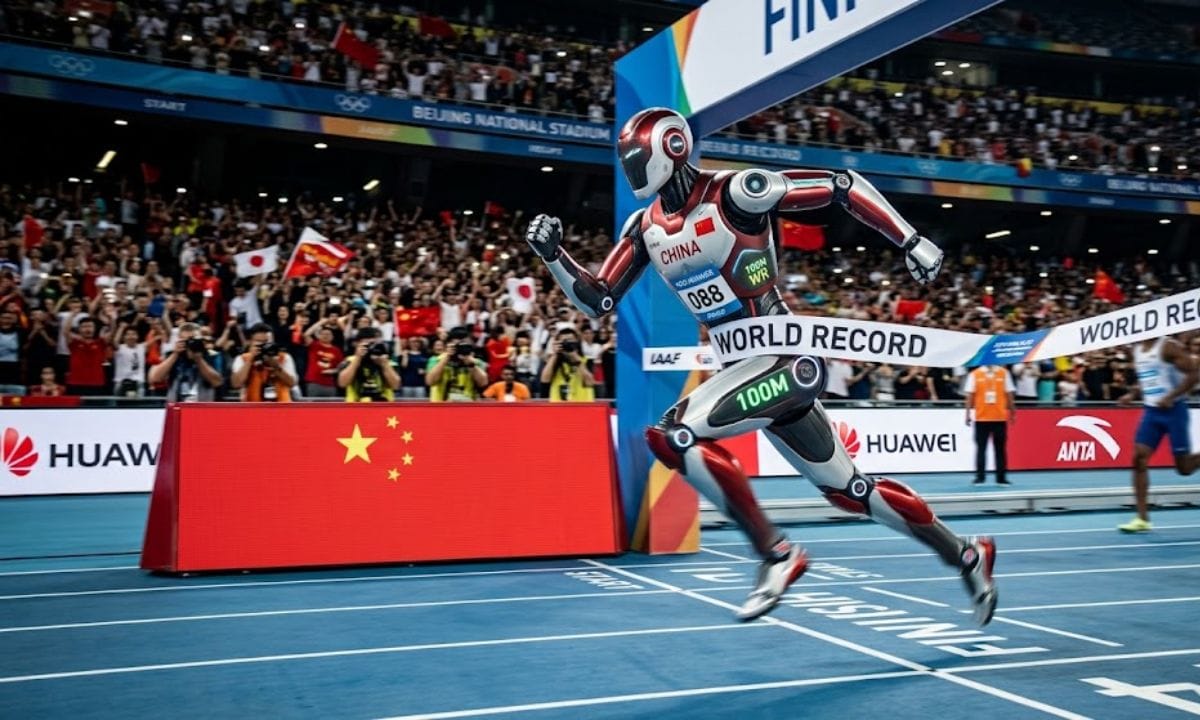
Chinese Carmakers Showcase Advanced EV Technologies in Beijing
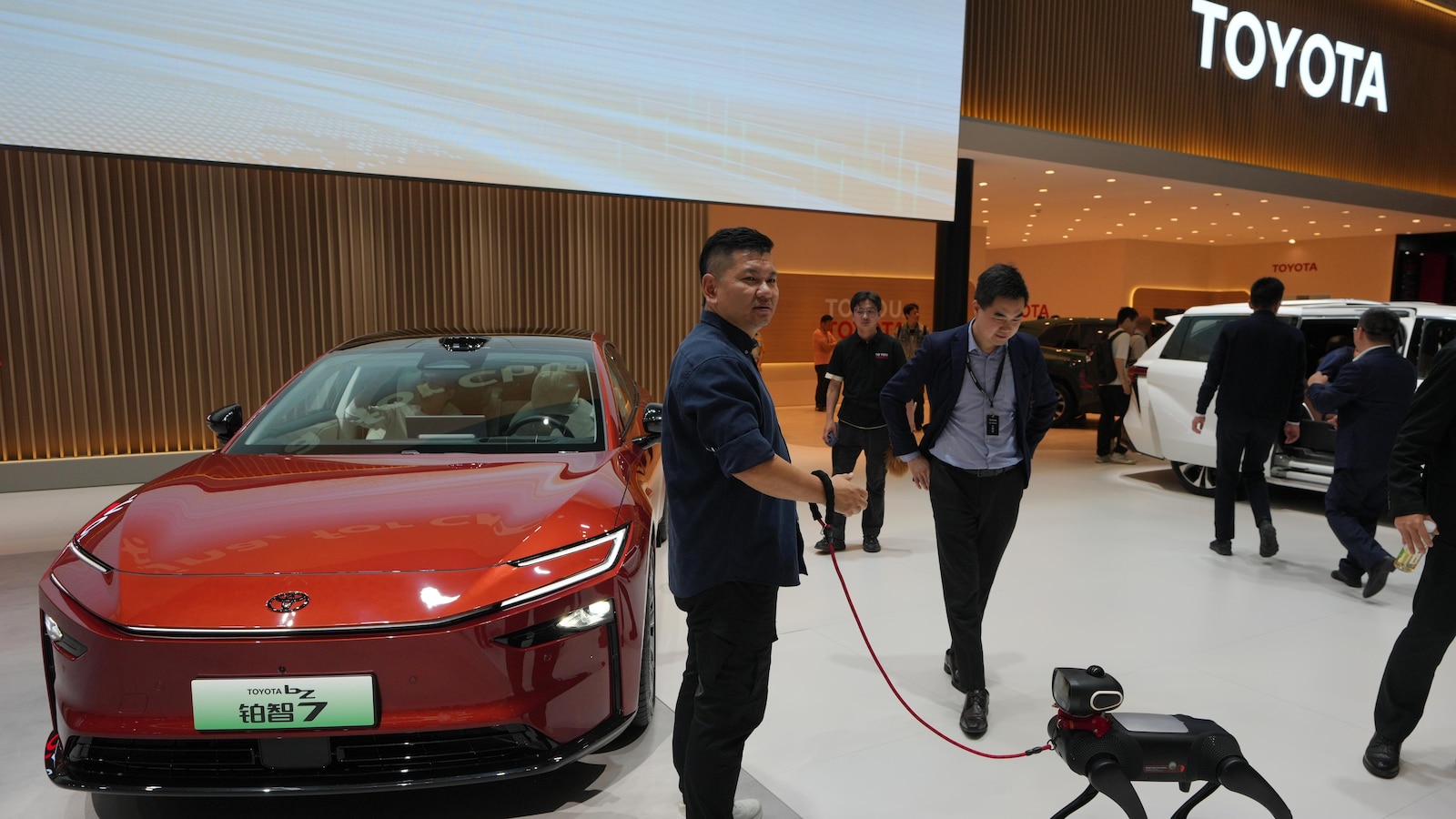
At Auto China 2026 in Beijing, Chinese automakers presented aggressive advances across batteries, charging, and intelligent driving, underlining a push from scale to high-tech differentiation. The show features more than 1,450 vehicles and 181 global debuts, with headline demos including CATL's Shenxing battery charging from 10% to 98% in about 6.5 minutes, the Qilin pack claiming 1,000 km range per charge, BYD's fast-charging "blade" chemistry reaching near-full in 9 minutes even at -30C, and XPeng's GX six-seater with automated emergency pull-over capabilities. Vendors highlighted software-hardware integration, from Huawei's HarmonyOS cockpit and Qiankun driving stack to Xiaomi's biometric sensors in concept cars. The show signals Chinese firms moving upmarket and competing on technology and systems, raising implications for charging infrastructure, supply chains, and safety validation for autonomous features.
What happened
Auto China 2026 in Beijing put Chinese automakers front and center on cutting-edge EV and vehicle systems. The biennial show displays more than 1,450 vehicles with 181 global debuts and highlights breakthroughs in ultrafast charging, long-range battery packs, and intelligent driving that vendors say will accelerate global competitiveness.
Technical details
Companies emphasized battery chemistry, pack architecture, and software-hardware integration. Notable demonstrations and product claims included:
- •CATL rolling out upgraded Shenxing ultra-fast charging capable of taking a pack from 10% to 98% in about 6.5 minutes, and the Qilin pack that enables a 1,000-km (approx 621-mile) range per charge; mass delivery of sodium-ion cells is targeted in Q4.
- •BYD showing next-generation "blade" fast-charge packs reaching near-full in 9 minutes with a sub-zero (-30C) demo to emphasize low-temperature performance.
- •XPeng presenting the GX six-seater with a third row that flattens and an automated safety feature that can detect driver incapacitation, "pull over automatically and alert emergency services," according to CEO He Xiaopeng.
- •The Yijing joint venture (Dongfeng-Huawei) debuting the X9 SUV with a next-generation Qiankun intelligent driving stack and a HarmonyOS cockpit integration from Huawei.
- •Xiaomi and others displaying concept-level features such as real-time biometric driver monitoring and aerodynamic body-integrated controls.
Context and significance
The show crystallizes a strategic shift for Chinese OEMs from volume-led competition to differentiated, tech-led product positioning. Firms are packaging battery chemistry, thermal and charging systems, and vehicle software as integrated value propositions rather than commodity hardware. That has three consequences for practitioners and buyers: charging times under ten minutes will force rethinking of fast-charger architecture, power delivery design, and transient grid impacts; extreme charging rates amplify thermal management, cell aging, and safety engineering needs; and integrated stacks like Qiankun plus HarmonyOS turn cars into software platforms, raising the bar for OTA update pipelines, cybersecurity, and regulatory validation.
What to watch
Track CATL's commercial timelines for Shenxing and sodium-ion mass deliveries, BYD's deployment of sub-zero fast-charging in consumer channels, and real-world validation and regulation of driver-incapacitation and automated pull-over behaviors. Also watch how legacy global brands respond with local partnerships and whether charging standards and interoperability follow the same trajectories.
Implications for practitioners
Battery chemists, thermal engineers, power-electronics designers, and systems ML teams must adapt to faster charge profiles and closer integration between vehicle control stacks and battery management systems. Fleet operators and grid planners should model higher peak loads and rethink siting and cooling for charging stations. Autonomous-systems engineers need publicly verifiable safety evidence as features move from demo to production.
Key Points
- 1Ultra-fast charging across major vendors will compress charge times to single-digit minutes, forcing new thermal, aging, and grid design trade-offs.
- 2Chinese OEMs are bundling hardware and software, turning vehicles into integrated platforms, increasing importance of OTA, cybersecurity, and validation.
- 3Battery innovations and sodium-ion scale-up position Chinese suppliers to export high-value energy systems, pressuring global supply chains and standards.
Scoring Rationale
The show surfaces commercially relevant technical advances in batteries and intelligent driving that matter to engineers and operators, but it is a collection of vendor demos rather than a single paradigm-shifting milestone. Freshness increases relevance.
Sources
Public references used for this report.
Practice with real Telecom & ISP data
90 SQL & Python problems · 15 industry datasets
250 free problems · No credit card
See all Telecom & ISP problems