Musk Challenges Altman, Threatens OpenAI's Structure
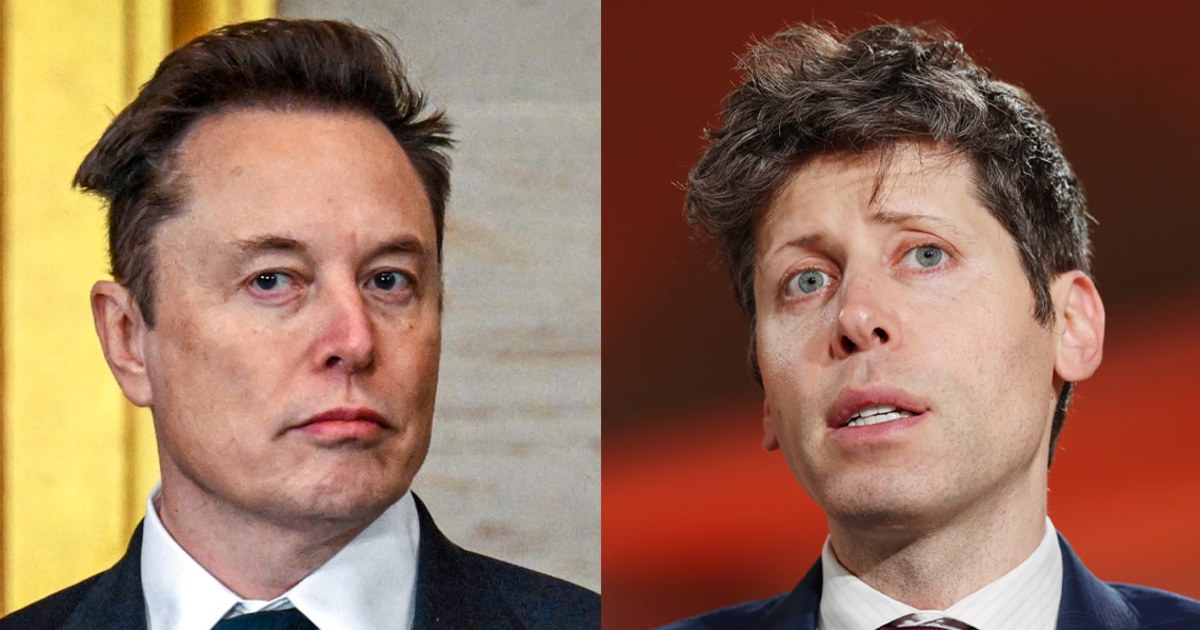
Jury selection in Elon Musk v. Sam Altman begins April 27 in Oakland. Musk seeks more than $150 billion, removal of Sam Altman and Greg Brockman from OpenAI leadership, and a court order to revert OpenAI to nonprofit status. The suit centers on Musk's claim that he was misled into donating $38 million under nonprofit promises while OpenAI pivoted toward a for-profit model and close partnership with Microsoft. Beyond legal remedies, the trial will force disclosure of internal communications, board deliberations, and fundraising terms that could reshape investor, regulator, and public views of how frontier AI is governed.
What happened
Jury selection in the federal case between Elon Musk and Sam Altman begins April 27 in Oakland, and the trial will put OpenAI's corporate decisions into public view. Musk is pursuing remedies including more than $150 billion in damages, removal of Altman and Greg Brockman as officers, and an order to restore OpenAI to nonprofit status. The complaint alleges Musk was induced to donate $38 million on the promise of a nonprofit mission, while cofounders steered the organization toward a for-profit structure and deep strategic ties with Microsoft.
Technical details
The complaint advances claims spanning breach of contract, fraud, and unfair business practices, and it seeks organizational remedies commonly used to protect charities. Musk's filing states, "Removal of a charity's officers and directors is a common remedy where those individuals fail to protect or carry out the charity's public mission." Expect the trial record to include internal emails, board minutes, fundraising agreements, and other exhibits that could expose governance trade-offs and commercial arrangements.
Likely disclosures practitioners should expect
- •Internal communications documenting the conversion strategy and timing, including contemporaneous emails and chat logs
- •Term sheets and contractual language describing the split between the nonprofit shell and the for-profit arm, and the equity or control Microsoft holds
- •Roadmaps, resource allocation decisions, and safety governance discussions that reveal how product and commercial priorities were weighed
Context and significance
This lawsuit is more than a private spat. It tests the legitimacy of the capped-profit model and the governance structures that now sit behind frontier models such as ChatGPT. If the court orders organizational changes or forces unwinding of corporate arrangements, it could destabilize IPO plans, prompt investor reassessments, and invite regulatory scrutiny of how AI labs balance public mission and commercial pressure. The case also hands competitors and rivals like xAI a public opportunity to frame the narrative about who built responsibly and who prioritized profit.
What to watch
The most consequential outputs will be what enters the public record: board-level deliberations, communications about monetization and safety, and testimony from principal actors including Altman, Musk, Microsoft executives, and former OpenAI staff. Those disclosures will shape market perceptions of OpenAI's governance and may alter the timing or valuation of any IPO, influence investor covenants, and inform policymaker inquiries into AI stewardship and corporate transparency.
Key Points
- 1Musk seeks removal of OpenAI leaders and reversion to nonprofit, risking OpenAI's corporate structure and an imminent IPO.
- 2Public disclosure of internal emails, term sheets, and board minutes will reveal governance trade-offs between safety and commercial acceleration.
- 3Outcome will affect investor confidence, regulatory attention, and competitive positioning for Microsoft, OpenAI, and rival xAI.
Scoring Rationale
The trial can materially affect OpenAI's corporate form, an expected IPO, and disclosure of internal governance decisions that matter to the AI industry. High potential systemic impact earns a major score, tempered slightly for near-term uncertainty.
Sources
Public references used for this report.
View 8 more sources
- Sam Altman May Control Our Future—Can He Be Trusted?newyorker.com
- A Deep Dive Into the Elon Musk vs. Sam Altman Trial ... - The Ringertheringer.com
- Elon Musk seeks ouster of OpenAI CEO Sam Altman as trial loomsseattletimes.com
- Musk v. Altman et al - Law360law360.com
- The Musk vs Altman trial is fast approaching. The stakes are high for OpenAI and its CEO.businessinsider.com
- Elon Musk promises to forego any money he wins from legal showdown against OpenAI and Sam Altmanpagesix.com
- It's Almost Time For 'Elon Musk v. Sam Altman.' Expect the Unexpected.hardresetmedia.com
- Musk v. Altman, 4:24-cv-04722 – CourtListener.comcourtlistener.com
Practice interview problems based on real data
1,625 SQL & Python problems across 15 industry datasets — the exact type of data you work with.
Try 250 free problems