Researchreinforcement learningorganoidselectrophysiology
Brain Organoids Achieve Goal-Directed Cart-Pole Learning
7.2
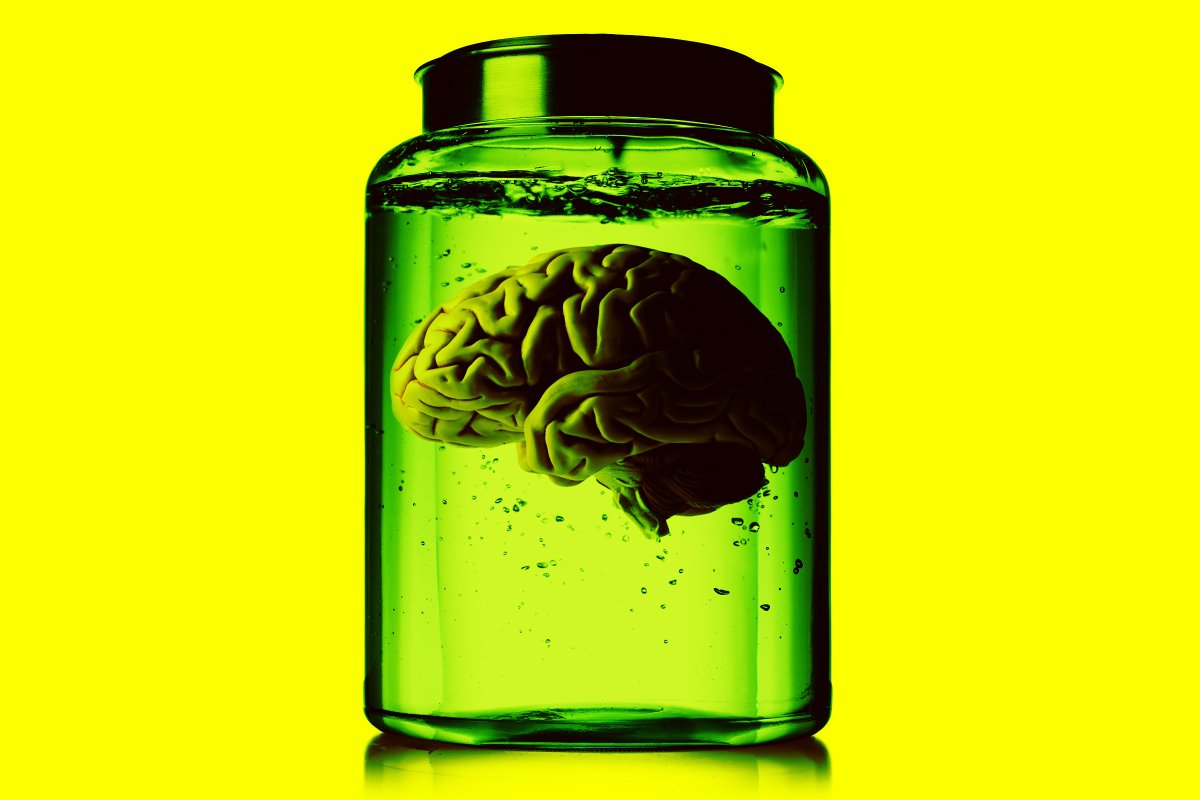
Researchers at the University of California, Santa Cruz reported in Cell Reports that lab-grown brain organoids were coached via electrical feedback and a reinforcement-learning algorithm to solve the cart-pole control task. The team increased organoid cart-pole win rates from 4.5% to 46%, demonstrating goal-directed, trial-and-error learning in minimal cortical tissue. This finding suggests organoids can serve as in vitro models to study learning mechanisms and neuromodulation.
Key Points
- 1Demonstrated organoids improved cart-pole win rate from 4.5% to 46% using electrical feedback
- 2Showed intrinsic cortical tissue plasticity enabling goal-directed learning without sensory organs or dopaminergic systems
- 3Suggests new in vitro platform for studying learning mechanisms and testing neuromodulation strategies
Scoring Rationale
High novelty and peer-reviewed evidence support the score, but scope is limited to in vitro neuroscience research.
Practice interview problems based on real data
1,625 SQL & Python problems across 15 industry datasets — the exact type of data you work with.
Try 250 free problems