Apple Overhauls Siri Ahead of WWDC Launch
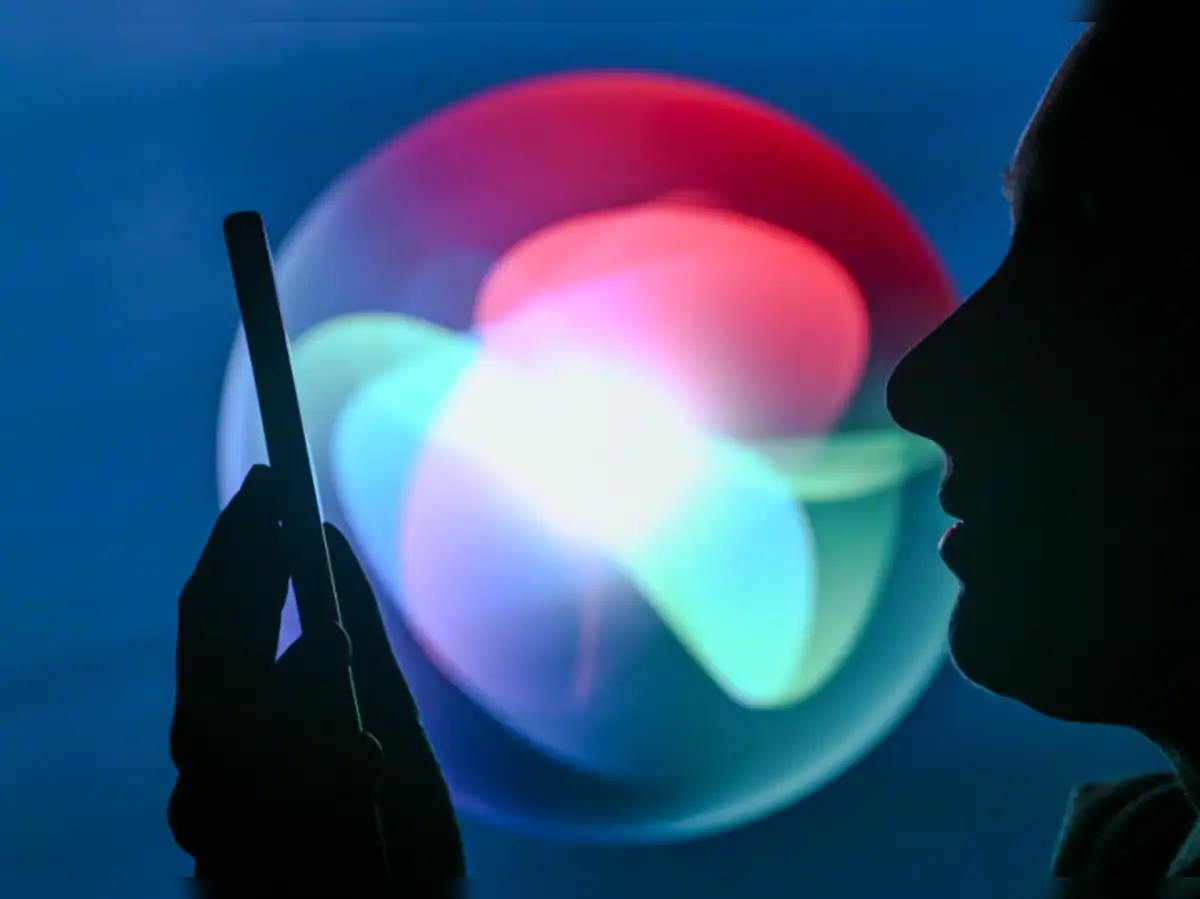
Apple is expected to make an overhauled Siri the centerpiece of its WWDC 2026 keynote, according to CNBC, MarketWatch, and Barron's. The revamp builds on a January 12, 2026 joint statement in which Google and Apple said the next generation of Apple Foundation Models would be based on Google's Gemini models and cloud technology; the statement added that "Apple Intelligence will continue to run on Apple devices and Private Cloud Compute, while maintaining Apple's industry-leading privacy standards." Apple's product pages list Apple Intelligence features such as Writing Tools, Live Translation, and Image Playground. Economic Times puts Apple's installed base at about 2.5 billion devices, a reach observers say could amplify any Siri improvement. The keynote, held June 8, is also Tim Cook's last as CEO before John Ternus succeeds him on September 1, 2026.
What happened
Apple is widely expected to present a major overhaul of Siri as the centerpiece of its WWDC 2026 keynote, held Monday, June 8, with coverage from CNBC, MarketWatch, and Barron's naming the revamped assistant as the event's focus. The keynote is also Tim Cook's last as CEO: Apple announced on April 20, 2026 that Cook will become Executive Chairman and John Ternus, senior vice president of Hardware Engineering, will become CEO effective September 1, 2026.
The Google Gemini foundation
The Siri revamp rests on a partnership Apple and Google disclosed on January 12, 2026. In a joint statement, the companies said the next generation of Apple Foundation Models would be based on Google's Gemini models and cloud technology, and that "Apple Intelligence will continue to run on Apple devices and Private Cloud Compute, while maintaining Apple's industry-leading privacy standards." Reporting from CNBC and others values the multi-year deal at about $1 billion a year, though Apple and Google have not confirmed financial terms. The arrangement lets Apple tap frontier models without building a comparable foundation-model stack in-house.
Scale and stakes
Economic Times puts Apple's installed base at about 2.5 billion active devices, a reach that coverage says could amplify any Siri improvement even as many users have adopted third-party chat apps. Apple's product pages list current Apple Intelligence features including Writing Tools, Live Translation, Image Playground, and in-app summaries. Industry analyst Patrick Moorhead, quoted by Economic Times, framed data and context as the key differentiator for competitive assistants.
Editorial analysis - technical context
As a generic industry pattern, upgrading an assistant like this centers on three motifs: private on-device context indexing and retrieval, secure routing between device and cloud models, and developer-facing APIs for contextual prompts. The Google partnership implies reliance on cloud-hosted Gemini variants for foundation-model capability while preserving local execution via Private Cloud Compute, a hybrid approach that mirrors broader model-deployment trends. Unlocking personal data across apps within Apple's sandboxed, privacy-first architecture is nontrivial and typically requires new permissioning and data-abstraction layers.
What to watch
- •The developer APIs and permission model Apple exposes for contextual access.
- •The split between on-device and Private Cloud Compute execution for sensitive prompts.
- •Availability windows, with September device launches cited by CNBC as a likely broader rollout moment.
- •Third-party developer adoption signals, such as early integrations and betas reported by MacRumors and MarketWatch.
Key Points
- 1Apple is relaunching Siri at WWDC 2026, powered by a Google Gemini partnership that underpins its next-generation Apple Foundation Models.
- 2Outsourcing frontier models to Google lets Apple close a capability gap fast while keeping inference on devices and Private Cloud Compute for privacy.
- 3For developers, the open questions are the contextual-access APIs, on-device-versus-cloud routing, and permission model Apple exposes for assistant features.
Scoring Rationale
Apple is relaunching Siri at WWDC 2026 on the back of a verified January 2026 partnership in which its next-generation Apple Foundation Models will be built on Google's Gemini models, reportedly worth about $1 billion a year. A major strategic shift by two of the largest tech companies, with broad practitioner implications for hybrid model deployment and privacy-preserving inference, though much of this specific item is WWDC-preview framing rather than shipped detail.
Sources
Public references used for this report.
View 8 more sources
- Apple WWDC preview: AI and Siribarrons.com
- Apple's WWDC: a make-or-break moment for its AI strategymarketwatch.com
- Saving Siri: after two years of stumbles, is Apple's AI moment here?economictimes.indiatimes.com
- Apple Intelligenceapple.com
- Use Apple Intelligence with Sirisupport.apple.com
- WWDC 2026: what to expectmacrumors.com
- WWDC announcements: Siri, Apple Intelligence, and moremacworld.com
- Apple's AI Siri and new task featuresfinance.yahoo.com
Practice interview problems based on real data
1,625 SQL & Python problems across 15 industry datasets — the exact type of data you work with.
Try 250 free problems