Policy & Ethicsantimicrobial resistancediagnosticsone healthpolicy incentives
Antimicrobial Resistance Drives Diagnostics And Policy Shifts
6.1
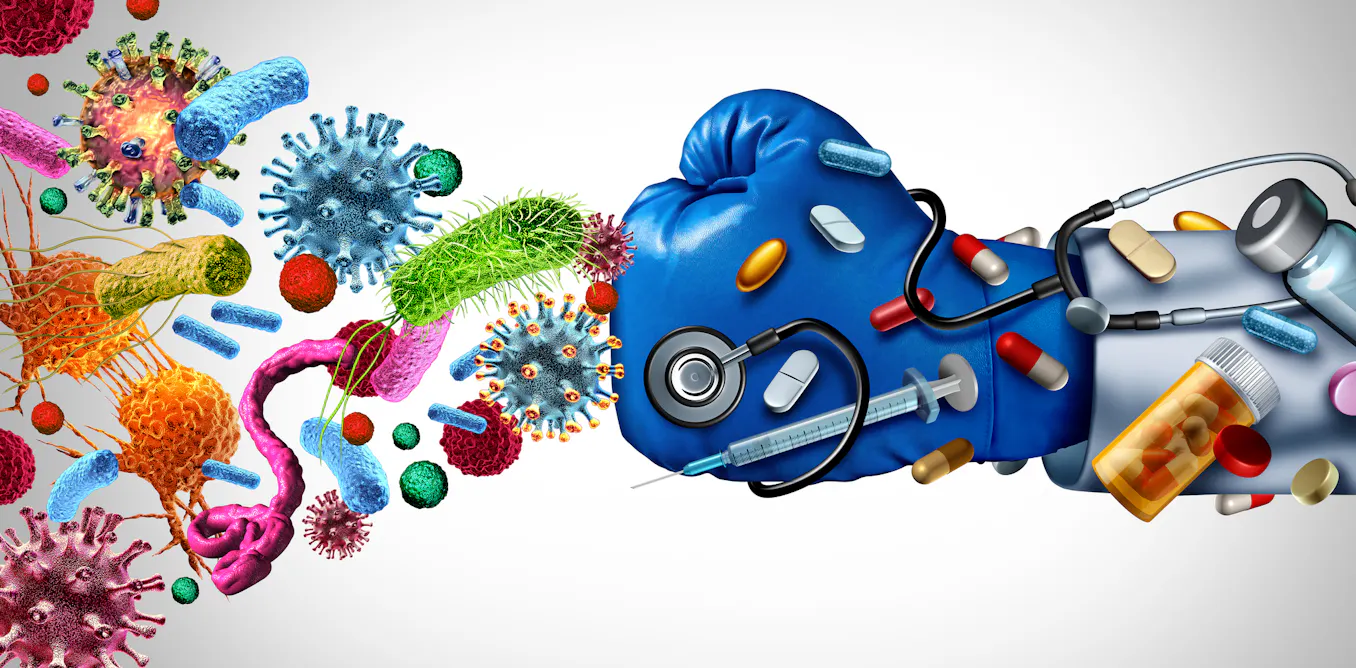
Antimicrobial resistance is reducing available treatments, causing about 2.8 million antibiotic-resistant illnesses annually in the U.S. and nearly 5 million global deaths. A microbiologist outlines four near-term trends — faster point-of-care diagnostics, nontraditional therapies such as phages and CRISPR, environmental One Health transmission, and policy measures like the PASTEUR Act’s proposed $3 billion subscription model — that will shape responses.
Key Points
- 1Accelerate diagnostics: genomic sequencing, microfluidics and AI can identify pathogens and susceptibilities within hours
- 2Diversify therapies: phages, CRISPR antimicrobials, peptides, microbiome and nanoparticles reduce reliance on traditional antibiotics
- 3Integrate One Health surveillance and policy incentives like PASTEUR to guide stewardship and drug development
Scoring Rationale
Comprehensive cross-disciplinary overview provides strategic guidance; limited novel findings and single-author commentary reduce transformative impact.
Practice with real Health & Insurance data
90 SQL & Python problems · 15 industry datasets
Used by DS/ML engineers at top companies
250 free problems · No credit card
See all Health & Insurance problems