Anthropic to Support FCA's Second Supercharged Sandbox Cohort
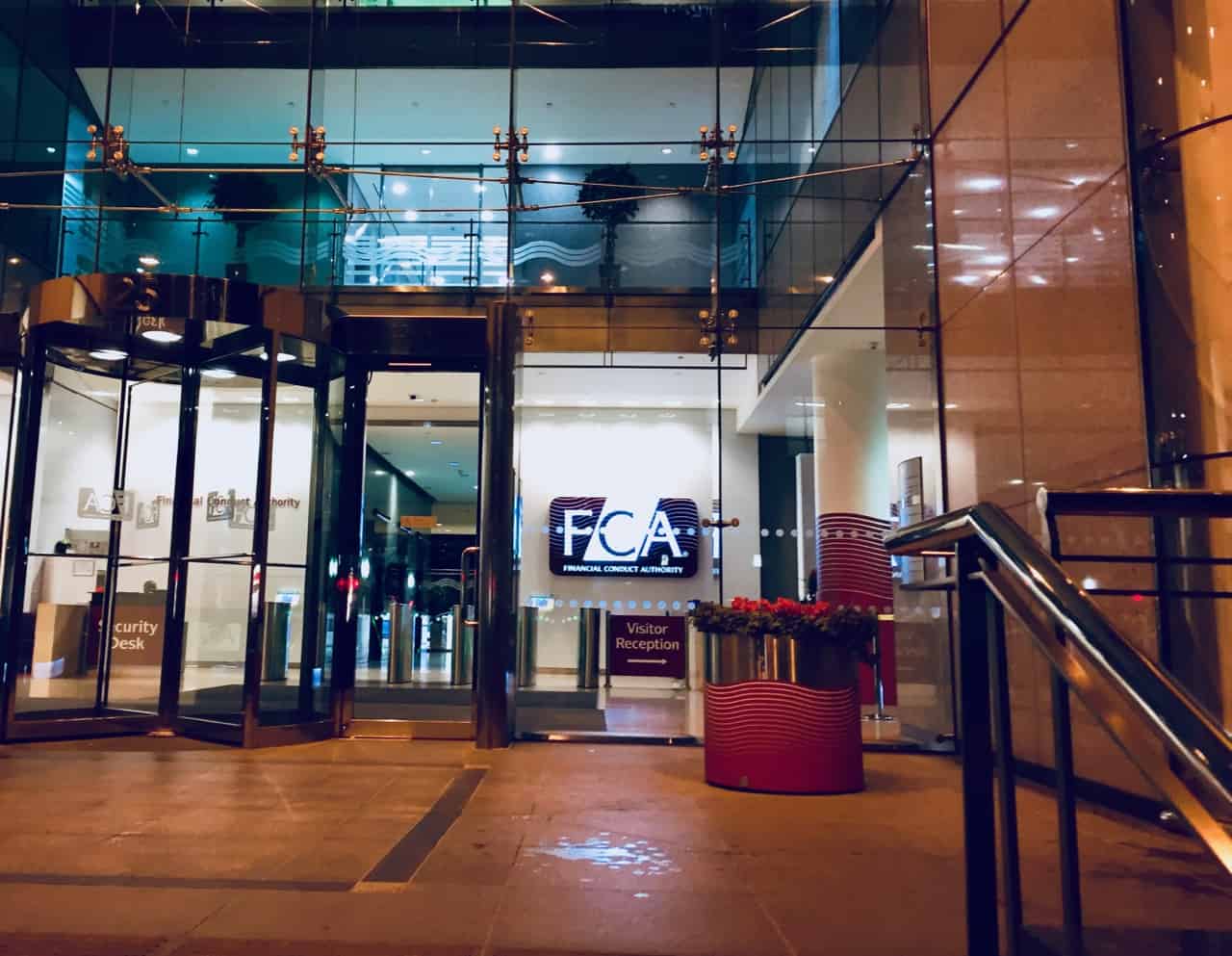
The UK Financial Conduct Authority said on July 22 that Anthropic will support the second cohort of its Supercharged Sandbox, giving 21 participating organizations access to Claude, Claude Code and Claude Cowork. The cohort will test uses including agent-led payments, fraud detection, AI governance, financial inclusion and compliance automation; participation does not by itself constitute regulatory approval of a resulting product.
The UK Financial Conduct Authority announced on July 22 that Anthropic will support the second cohort of its Supercharged Sandbox. Twenty-one participating organizations will receive access to Claude, Claude Code and Claude Cowork while testing financial-services AI in a controlled environment.
What the second cohort will test
The FCA lists five broad workstreams: safer agent-led payments and commerce, fraud and economic-crime detection, AI governance and accountability, access for vulnerable and underserved consumers, and compliance or business-process automation. Scottish Widows, Money Advice Trust and TrueLayer are among the participants.
The regulator says the cohort received 199 applications, up from 132 for the first group, a 51% increase. Existing support from NayaOne and NVIDIA will continue, providing digital-sandbox infrastructure and accelerated computing. The FCA also announced a 10-week Agentic Academy for selected firms, delivered with the Centre for Finance, Technology and Entrepreneurship.
The Banker independently confirms the second-cohort participation, the 21 organizations and the Claude tools being made available.
A sandbox is a test environment, not an approval
The announcement is about access and supervised experimentation. It does not say that the FCA has approved Claude for unrestricted deployment in regulated financial services, endorsed a participant's product, or relaxed existing obligations. The regulator describes the Supercharged Sandbox as support for firms in the discovery and experiment phase.
That distinction matters for agent-led payments and compliance automation, where a model could influence transactions, customer outcomes or regulatory decisions. A successful prototype would still need evidence that its data handling, model controls, accountability and consumer protections satisfy the rules that apply to the production use case.
What practitioners should watch
The cohort can produce useful evidence if participants define measurable outcomes before testing. Fraud teams need false-positive and false-negative rates; payments teams need limits, approval paths and recovery procedures; governance teams need traceable prompts, tool calls, model versions and human decisions. Tests involving vulnerable consumers also require careful monitoring for exclusion or unequal outcomes.
The most valuable outputs will be published evaluation methods, failure cases and control patterns that other regulated firms can reproduce. Until those results appear, the July 22 announcement establishes the participants, tools and intended workstreams, not the effectiveness or regulatory readiness of any system they build.
Key Points
- 1Anthropic will provide Claude, Claude Code and Claude Cowork to 21 organizations in the FCA's second Supercharged Sandbox cohort.
- 2The cohort will explore agent-led payments, fraud detection, AI governance, financial inclusion and compliance automation; applications rose from 132 to 199.
- 3Sandbox participation supports controlled experimentation but does not by itself amount to FCA approval of a model or participant product for production use.
Scoring Rationale
The regulator-backed cohort gives 21 financial organizations access to frontier AI tools for consequential use cases and can generate practical governance evidence. The current announcement establishes a controlled experiment rather than production approval or demonstrated outcomes, limiting the score.
Sources
Primary source and supporting public references used for this report.
Practice interview problems based on real data
1,625 SQL & Python problems across 15 industry datasets — the exact type of data you work with.
Try 250 free problems